
For years, David Matias worked in his parents’ restaurant, taking on every role from bussing tables to cooking beside his mother. Teresa’s Mosaic Cafe was not just a job, but the family business and his whole world.
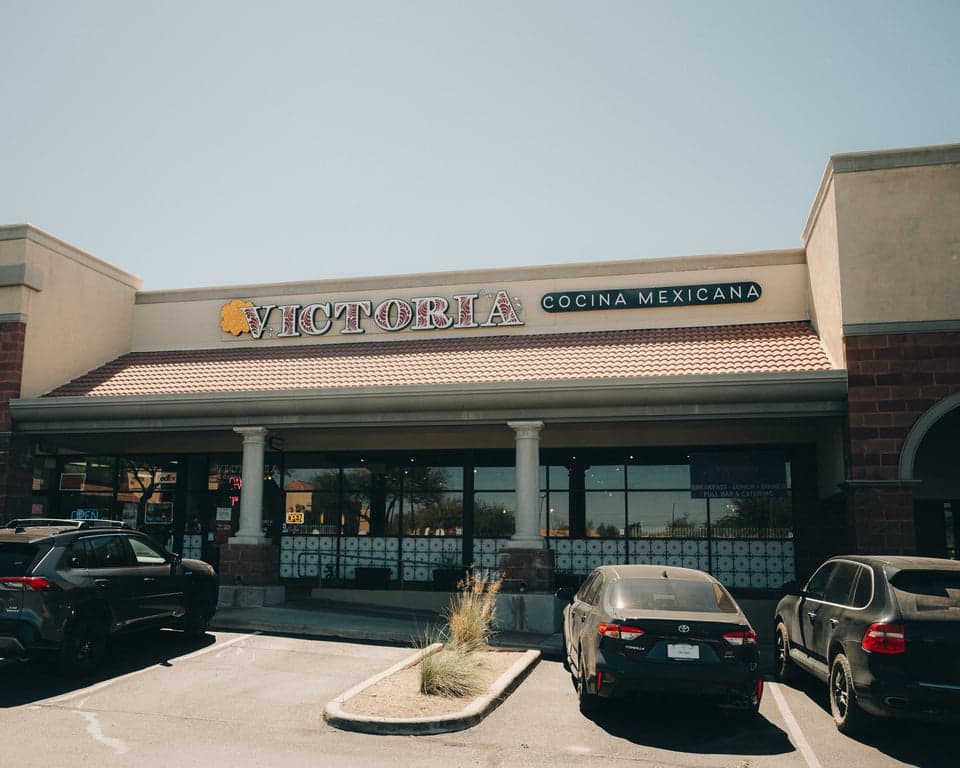
So when Victoria Cocina Mexicana opened in September 2024, it marked a major shift for the restaurant dynasty. This time, Matias was building something of his own with his family at his side.
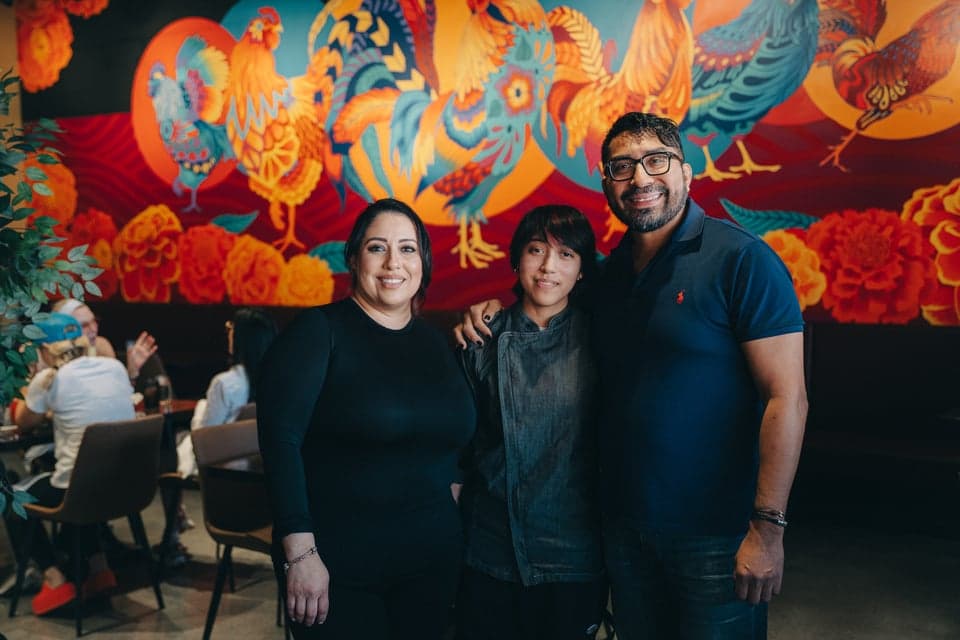
“This was not an easy thing,” Matias said, seated with his wife, Claudia and their son Damian. “It was hard for me to leave and go on my own. I felt an obligation to take care of my parents. And then there was the obligation to take care of Teresa’s.”
That sense of duty that shaped his entire career. Until now.
Training, Tradition and Oaxaca Roots
After graduating from the Culinary Institute of America (CIA) in New York, Matias returned to Tucson to help his mother at their restaurant. By that point, Teresa’s kitchen was already operating at full speed. Even with his recent formal training at a world-renowned cooking school, he came back to a restaurant that did not need anything new.
“The first day I got back to work with my mom,” he said, “she stopped me at the door, grabbed my shoulders and said, ‘Don’t change anything. We’ve been in business for 25 years, and everything’s going well.”
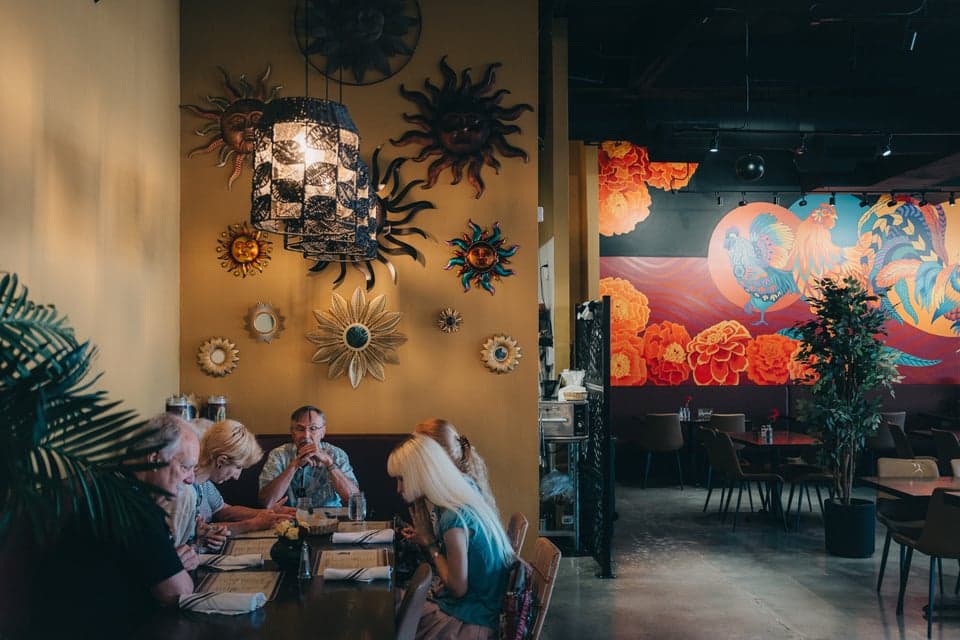
He laughed now, but the lesson was clear: continue what worked, not reinvent it. So, after graduating, his mother sent him to Oaxaca to learn about her traditions and birthplace.
He spent months with family in Santa María del Tule, home to a 2,000-year-old Montezuma cypress. He cooked with relatives, shopped at local markets before sunrise, and learned family recipes. His mother called often, sending him from one tia’s or tio’s kitchen to another.
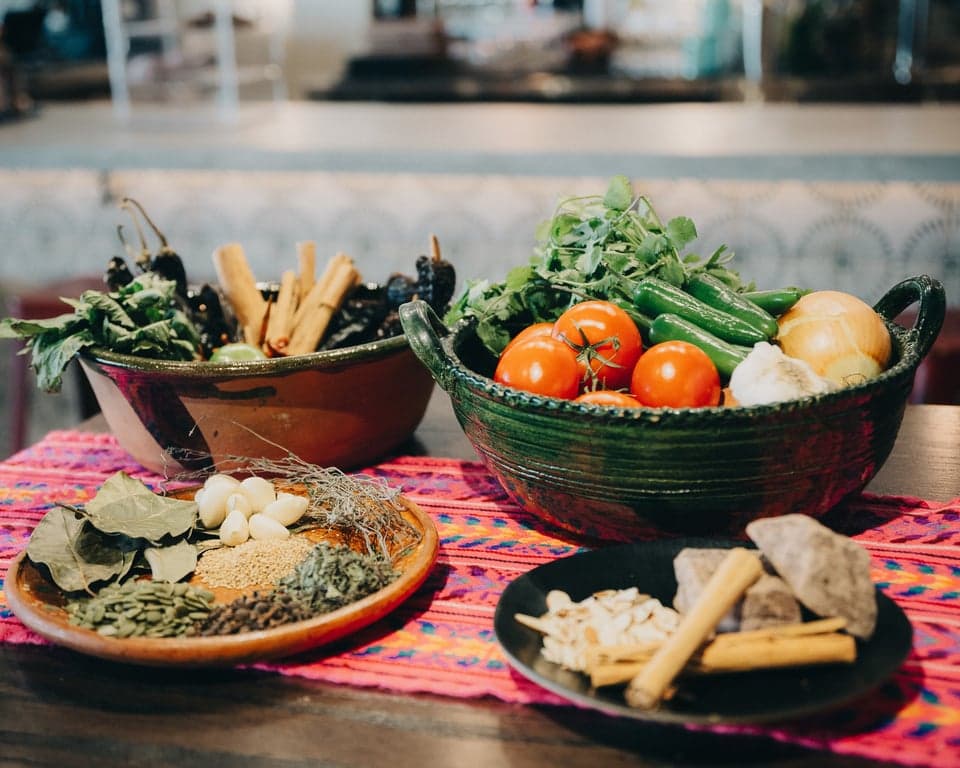
One of his most memorable lessons was making mole with Tia Rufina over an open fire. Back in Tucson, his mother showed him her version. The differences were subtle in each, but meaningful.
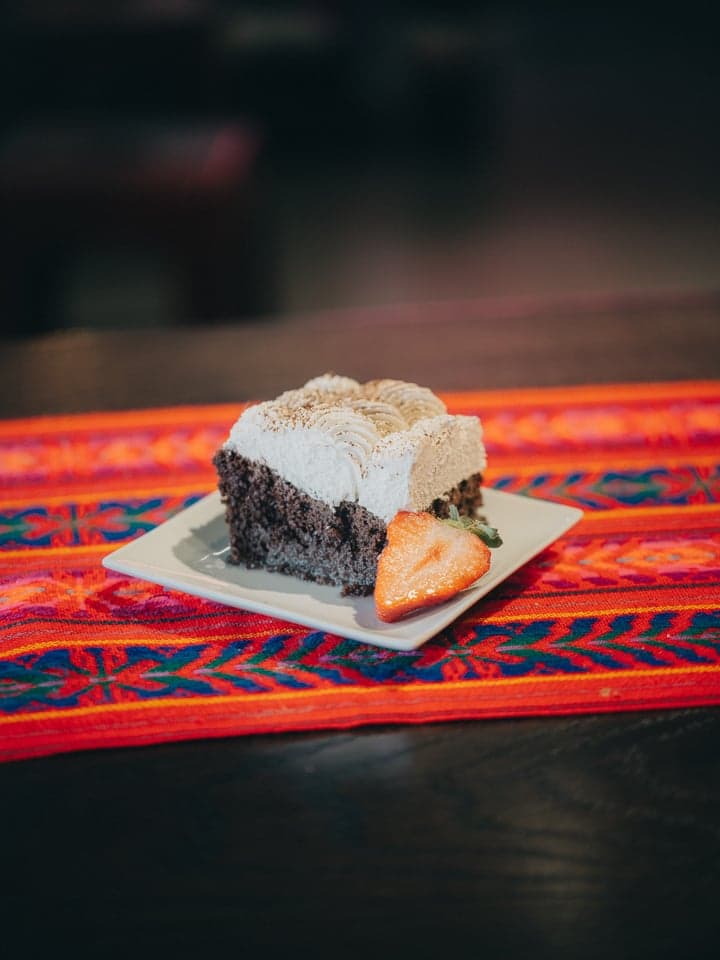
His experiences at Mosaic Cafe, travels to his parents’ birthplace, and training at the CIA appear in his presentation, with lush marigolds garnishing the plate, toasted chapulines skewered over margaritas, and Damian’s desserts highlighting Oaxacan chocolate in a tres leches cake with perfect whipped-cream flourishes.
A Dining Room Rooted in Story
Inside the dining room, a large mural by Tucson artist Jessica Gonzalez stretches across one wall, filled with color and movement. At the center, a rooster surrounded by five chickens reflects his wife and four children.
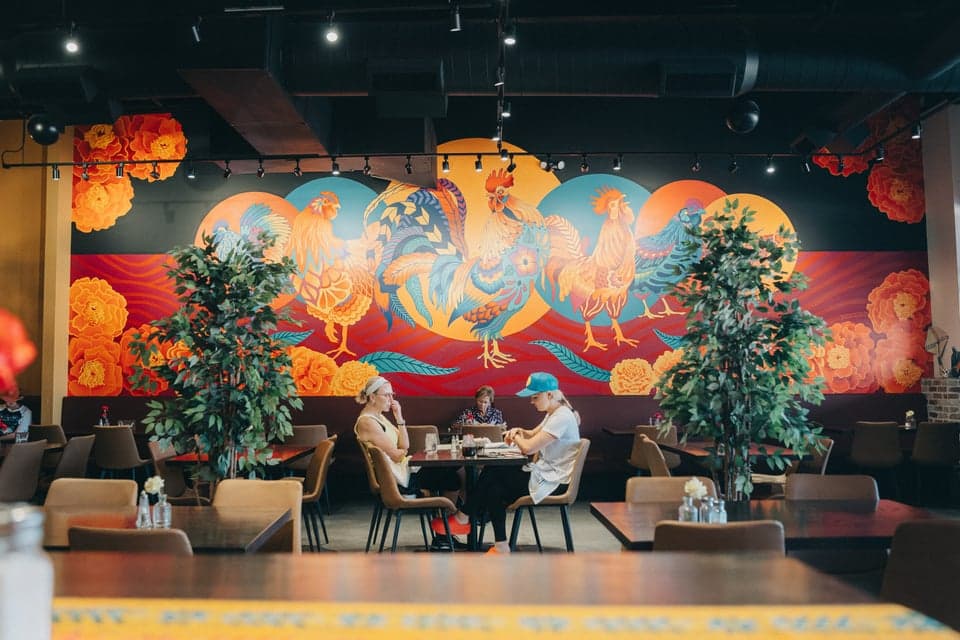
In French culinary tradition, the rooster, or coq, is a symbol of pride and presence in the kitchen, while in Mexican cooking, the focus shifts to the hen, the bird that sits on the table as an everyday staple. In Gonzalez’s mural, both are there.
A Kitchen Built on Family Collaboration
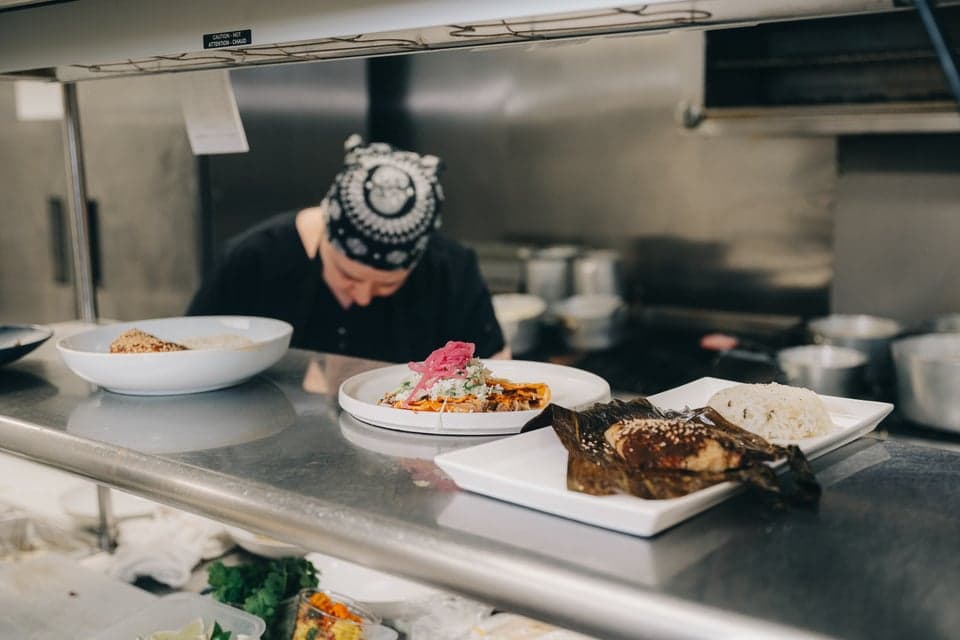
By the time the dining room had filled with breakfast patrons, the work had already begun in the early morning hours. Matias begins in the kitchen, sometimes alone, sometimes with Damian beside him. This is when they make the moles, the complex sauces at the center of Oaxacan cuisine.
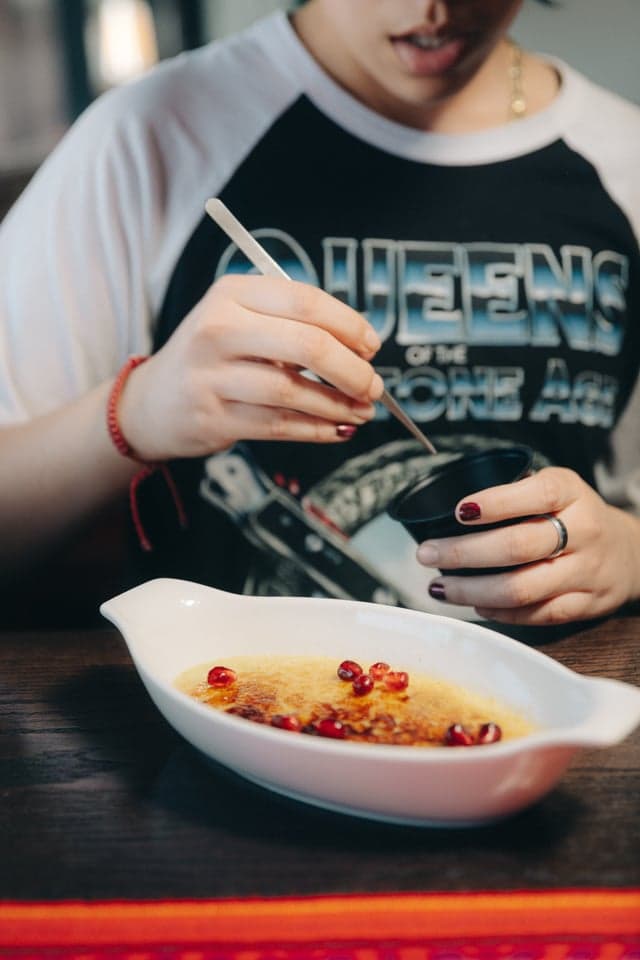
Caifanes and Queens of the Stone Age play as father and son cook together. Matias, nails painted black, moves between burners. Damian, hair streaked with hot pink, shifts between stations. Some mornings, he helps with the moles; other days, he focuses on desserts like Oaxacan chocolate tres leches and epazote-key lime creme brulee.
It feels like something being passed down and reshaped at the same time, much like Matias once did with his own mother.
Signature Dishes Define the Menu
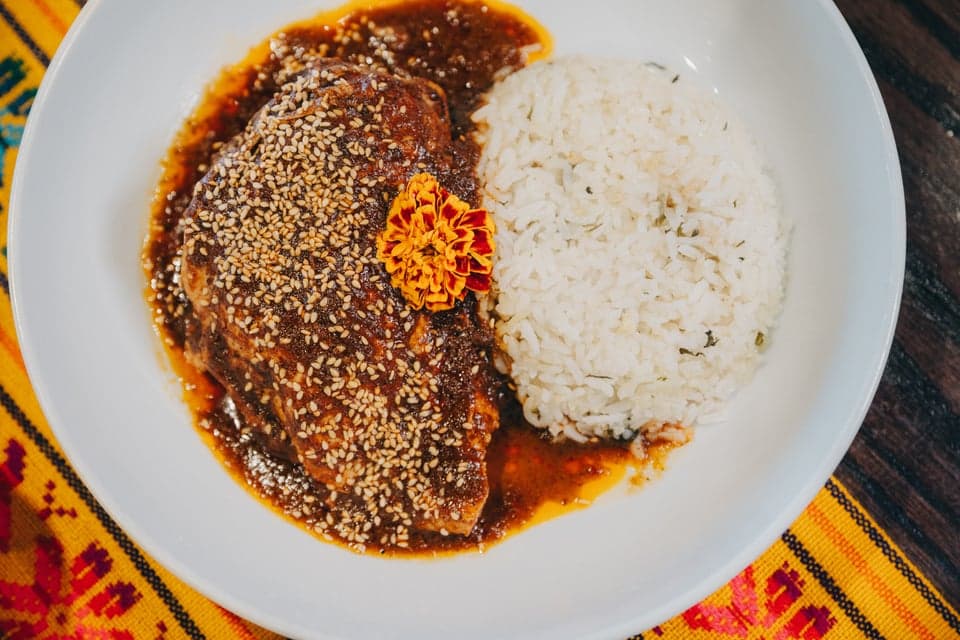
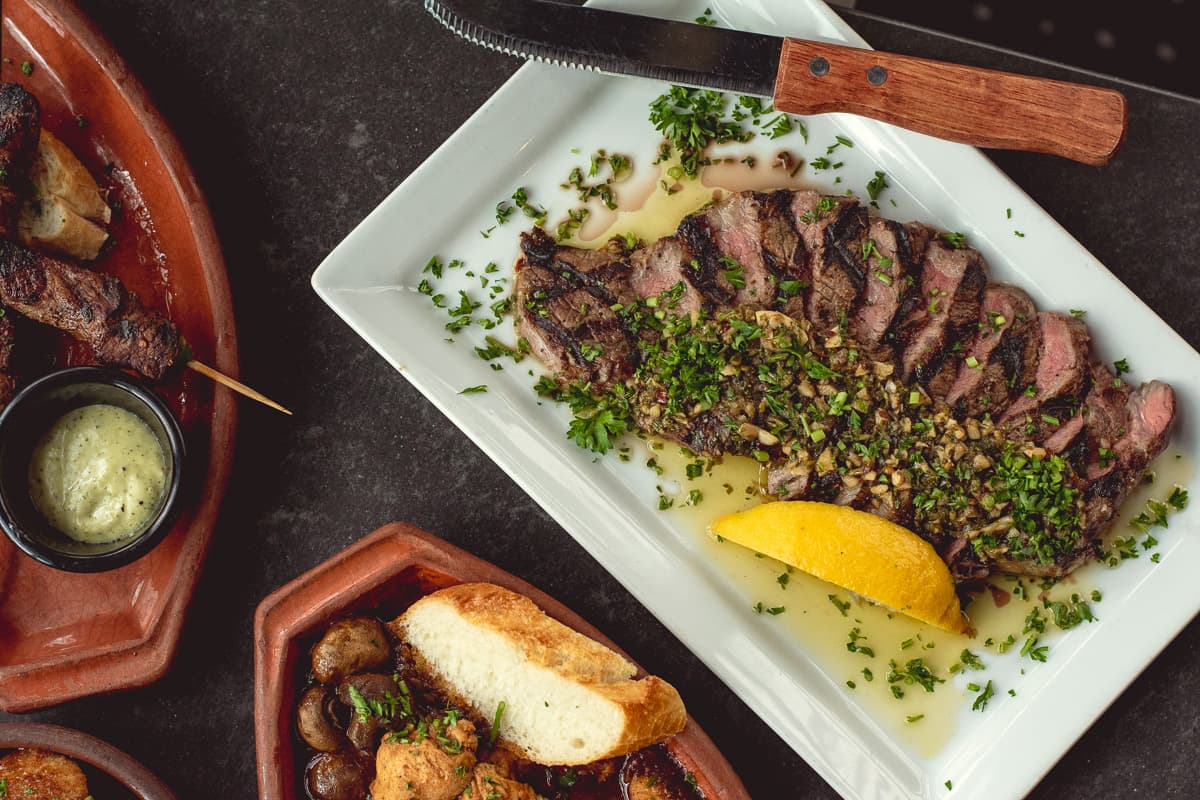
The Pollo en Mole Negro shows Mathias’ evolution as a chef, with its rich sauce ladled over the chicken, served with just-perfect arroz blanco and house-made corn tortillas to let the mole stand out.
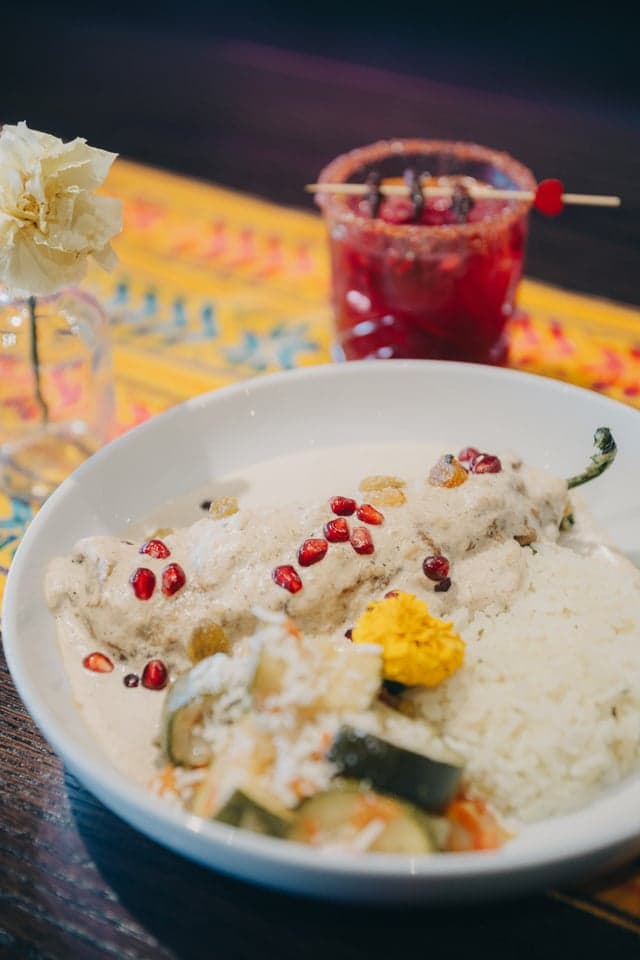
Chile en Nogada Oaxaqueño offers contrast, a roasted poblano stuffed with braised pork, walnut cream sauce, roasted calabacitas, and rice. Dishes like brothy pozole rojo de puerco nod to Claudia’s Sonoran roots.
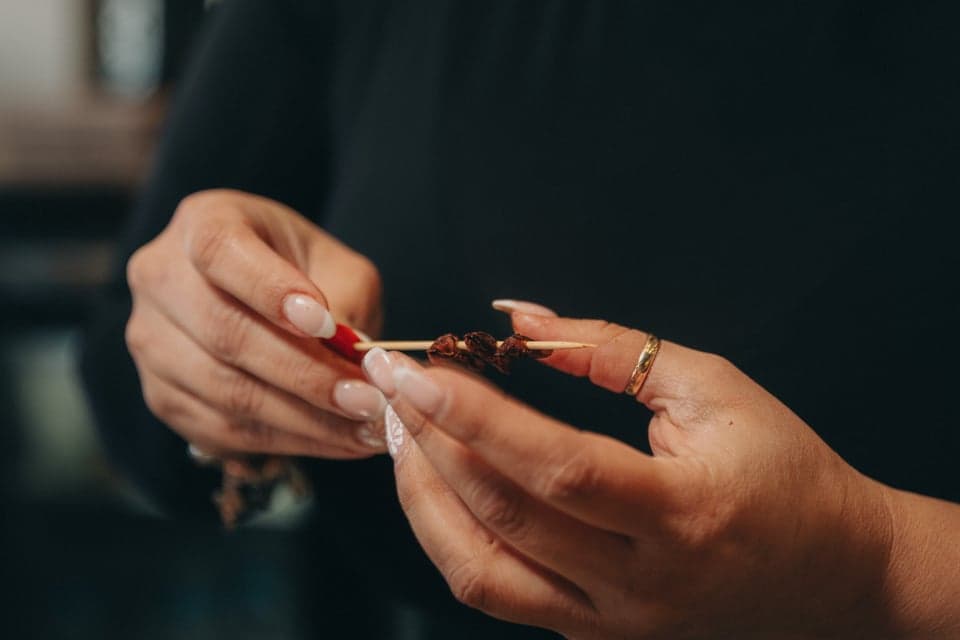
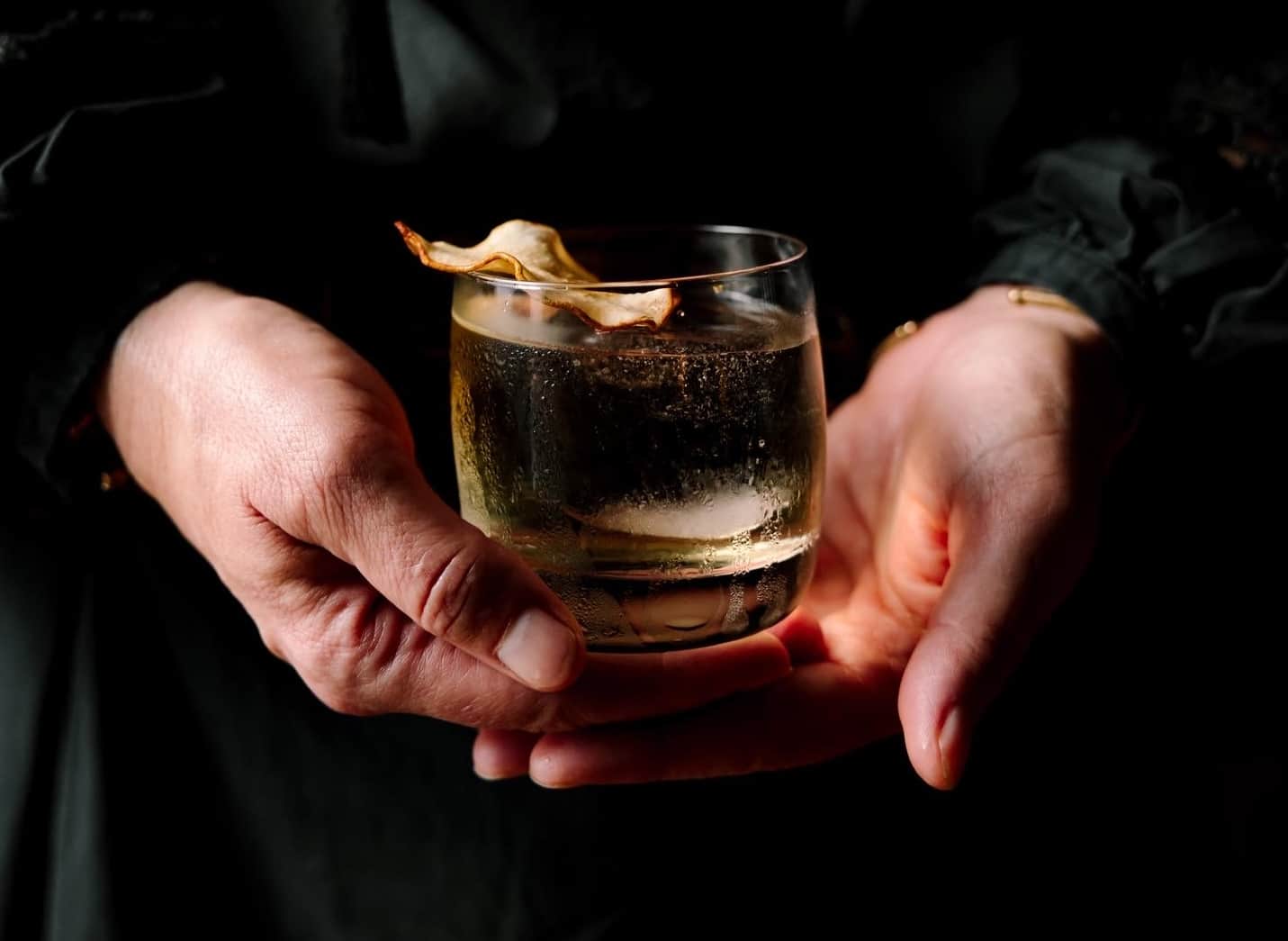
Even cocktails carry a sense of place, garnished with chapulines and toasted in salt and lime.
Reimagining Tucson Favorites
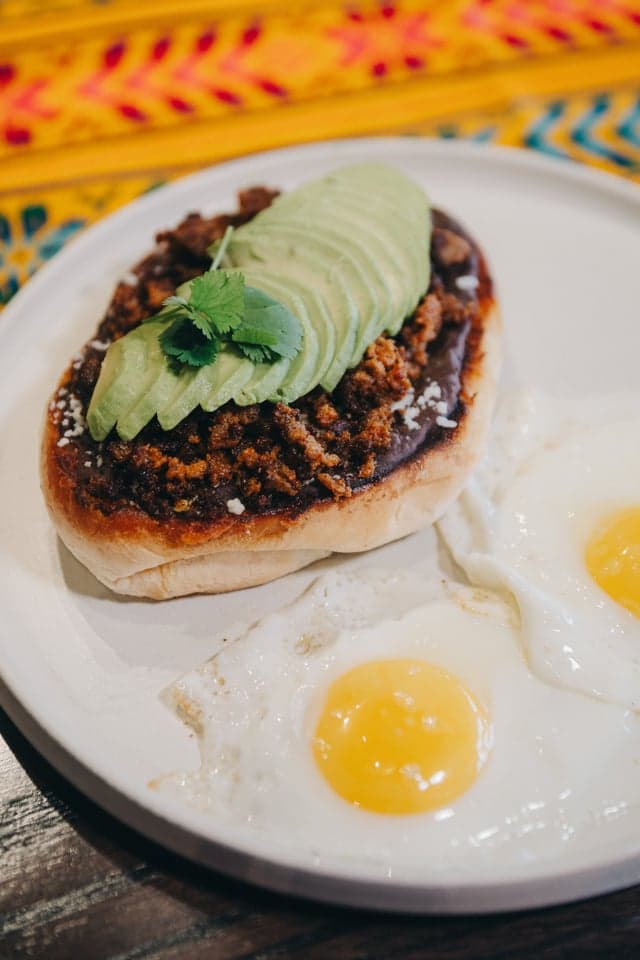
Matias knows Tucson diners want familiar meals, like huevos rancheros, which connect to his mother’s place and to its 2010 Bobby Flay Throwdown appearance. But, he pushes further.
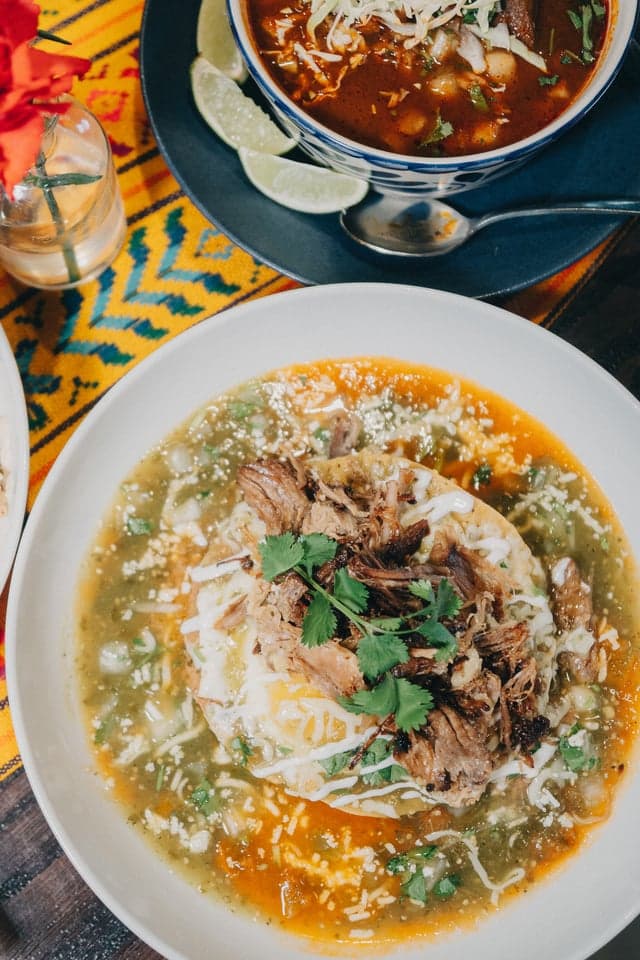
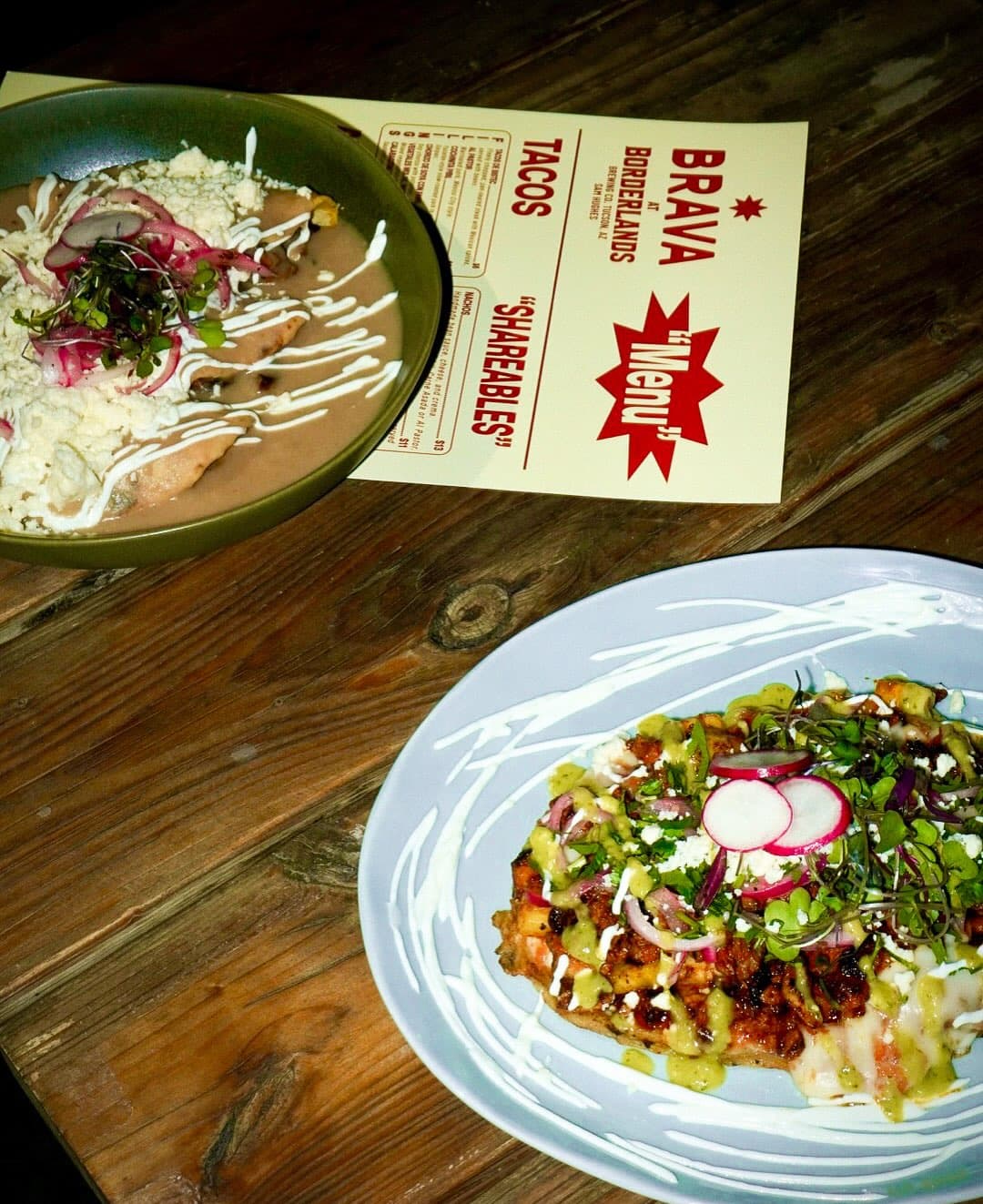
His Huevos Guerreros, a more elaborate interpretation built on that egg-and-tortilla foundation, layering another torta over beans and eggs, then adding salsa verde, carnitas and sour cream.
The Challenges of Opening Year One
Matias shared that the first year was difficult, an experience familiar to new restaurateurs.
“I would sit there for hours,” he said. “Just looking at the door, waiting for someone to come in.”
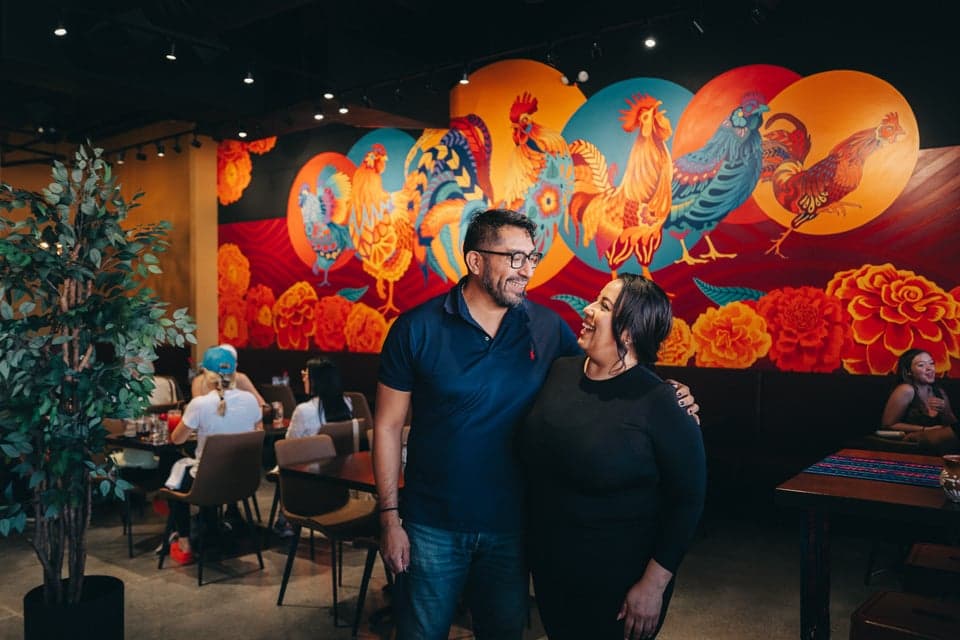
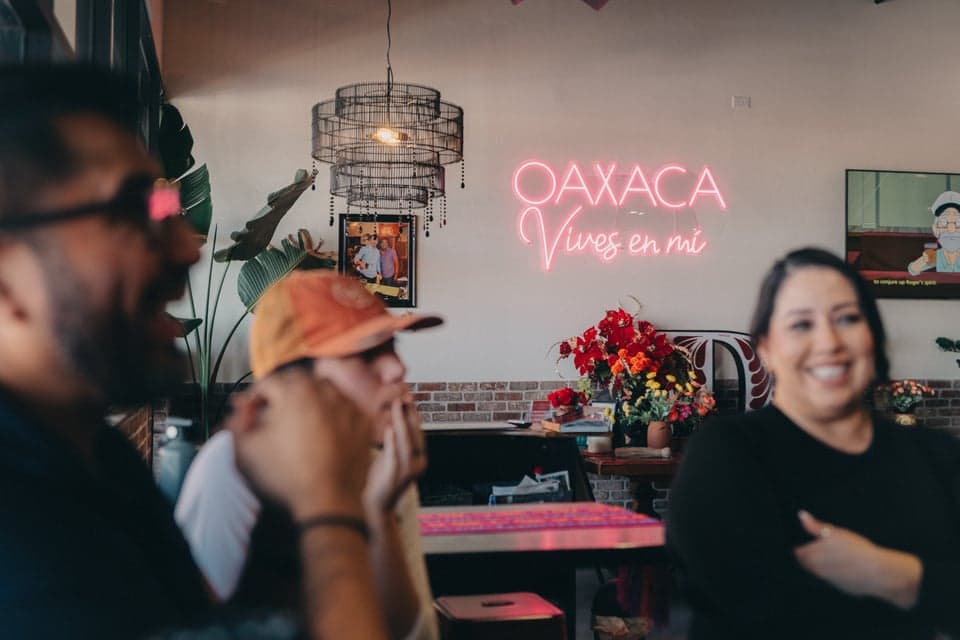
As he reflected on his restaurant’s journey, he spoke, tears forming in his eyes, about forging a new space with his family’s support. Claudia, a nurse, helped shape the restaurant from the beginning, developing much of the cocktail program, while Damian is the sous chef, one of their four children growing up around restaurants.
A Legacy That Continues Forward
Victoria remains a family story, but its center is Matias’s own voice. Claudia encouraged him to serve food that truly reflected him, and now, he embraces that role. Rather than keeping Damian close, Matias now hopes his son finds his own direction in the world as he attends the Culinary Institute of America in the fall.
“I want him to see what else is out there,” he said.
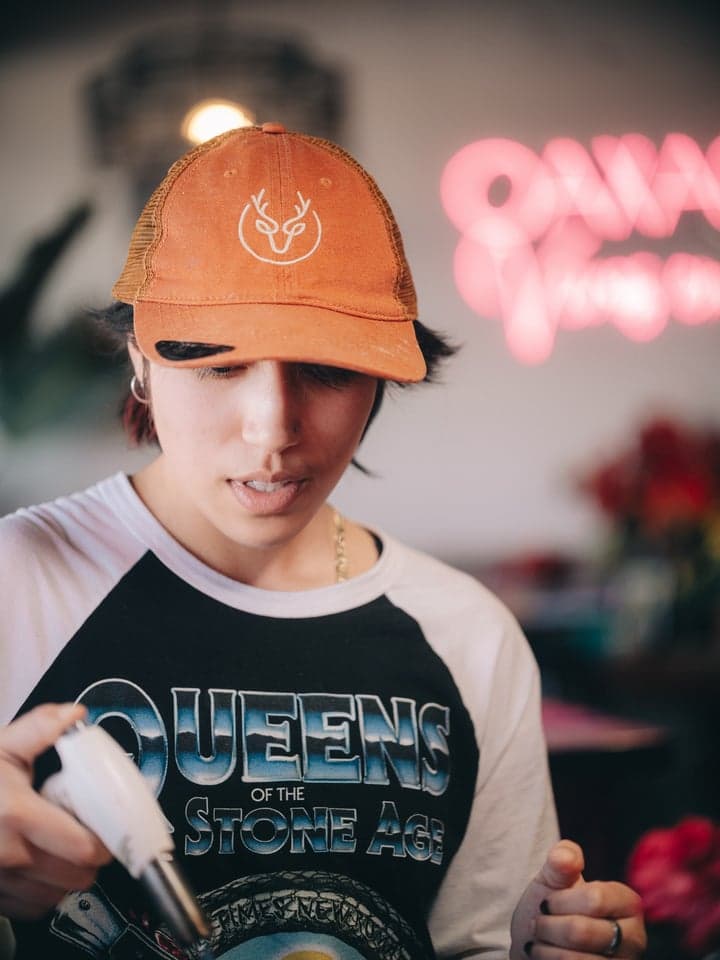
For most of Chef Matias’s life, he stayed. He worked. He carried something forward. Victoria Cocina Mexicana is what happened when he finally built a space for his creativity.
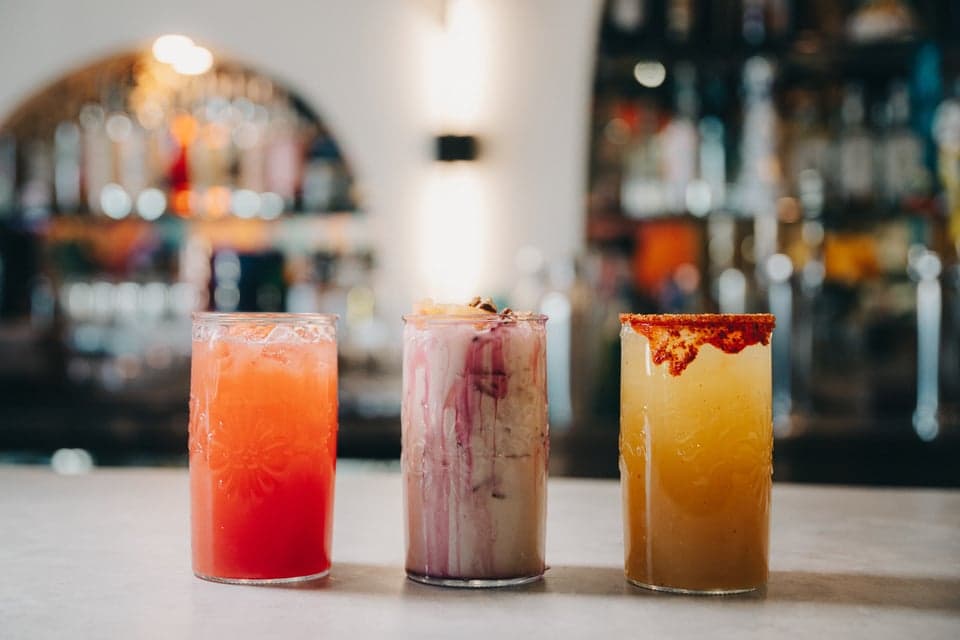
And he did it with his mother’s blessing.
“I’m very excited and very proud,” said Teresa Matias, David’s mother and owner of Teresa’s Mosaic Cafe. “I said to him, ‘Go take your own responsibility and make your own kitchen.’ He’s a great son and my baby boy.”
Victoria Cocina Mexicana is located at 7090 N. Oracle Rd. #172. For more information, visit victoriacocinamexicana.com.
Article written by: