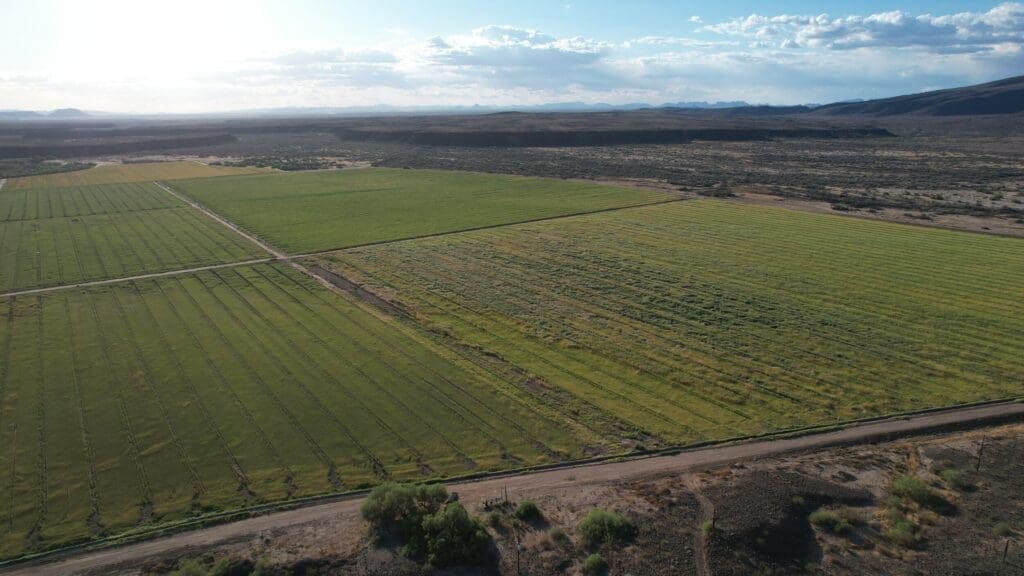
Oatman Farms’ objective is to enable the land to heal while also providing an abundance of nutritious food for the community. The team at Oatman Flats Ranch in Gila Bend, Arizona — the source of Oatman Farms’ organic baking mixes and other products — is reviving its land through regenerative agriculture.
“The vehicle for the preservation of a place, for experiences, for memories, for legacies of multiple different cultures, for me, is food,” said J. Dax Hansen, the owner of Oatman Flats Ranch.

Hansen’s family has been working their land for generations, providing food for Arizonans, but the climate today looks very different than it did in decades past, and Hansen noticed the change.
“The land that’s been in my family since the ‘50s — that has been lived on and farmed for thousands of years — was literally almost strangled to death by climate change,” he said.
It is a crisis that has gripped farms like Hansen’s across the Southwest, but he had a vision to use the hardship as an opportunity to realize a new vision for Arizona’s often imperiled agriculture.
“Why don’t we lead the way on what sustainability looks like?”
It starts by listening to the land, and the soil.
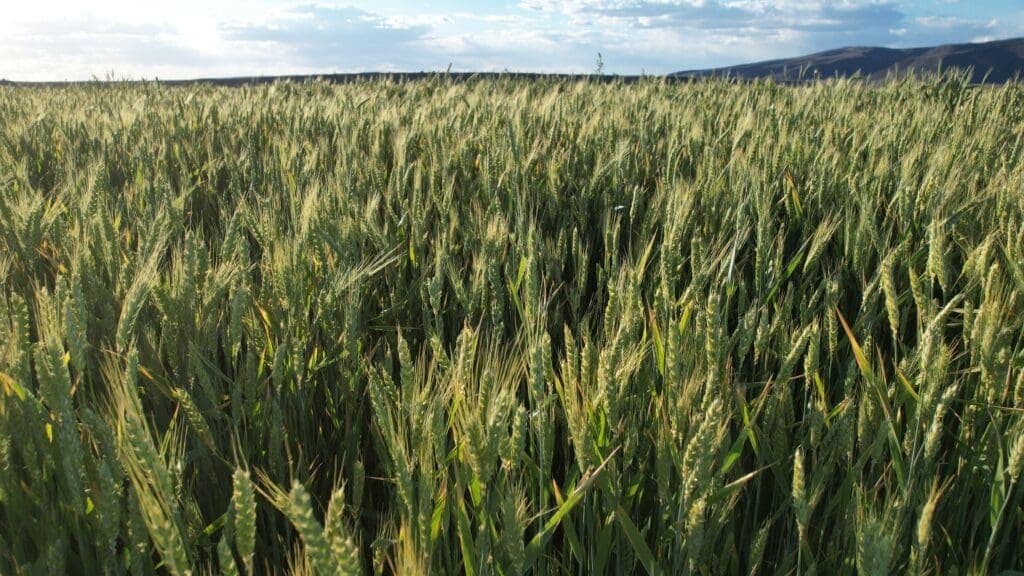
“My ground, all the indications said, grow small grains,” Hansen added. “Grow White Sonora wheat, which has been domesticated in that particular climate for 300 years. On another plot, we planted all these native grasses and forbs, and then the birds brought in all of these mesquite trees that can be shade for the agave and the prickly pear.”
Instead of fighting the natural conditions of the soil and growing climate, regenerative agriculture focuses on restoring degraded farmland and replenishing water to the environment.
It all comes back to one central idea.
“How are we interacting as a part of nature? And how are we making food and creating ideal food pathways?
Hansen’s regenerative methods consider ethnobotany (the interrelations between humans and plants), climate change, and water availability to develop a crop plan that is in tune with the land.
Those factors then dictate the creation of finished products, consumer goods, and restaurant strategies. And there are other benefits to regenerative agriculture products, too.
“It tastes better, it has more flavor, and the people behind it are purpose-driven,” said Hansen.

Regenerative and sustainable practices are not just agriculture practices, it’s a movement. Hansen said he sees increasingly more people discovering that they can play a role in the future of health, wellness, environment, and the climate.
“There are a lot of people, especially some of the younger 20-somethings, who are really throwing their weight behind an alternative future. We’ve reached the point where climate change and the degradation of health have really just grabbed everybody by the throat. A lot of what is going on around us is pretty discouraging but action helps that.”
Unfortunately, creating a viable food system based on regenerative agriculture might be an uphill battle for activists.
“Almost everything about the current food chain is blocking the acceleration of the regenerative food movement,” he added. “It needs to be rebuilt from the ground up.”
For his part, Hansen is focusing on community, leaning back into local infrastructure like millers, processors, and restaurant partners. He strives to “find out what their needs and constraints are, and how to build the markets for it.”
According to Hansen, the key to successful, profitable regenerative agriculture is threefold. Crop selection, markets, and infrastructure. That includes developing infrastructure for regenerative agriculture on larger scales but also fostering partnerships, efficient distribution systems, and the expansion of regenerative communities.
That is the larger mission of regenerative agriculture.
“Inspire people,” said Hansen. “They’ll want to get educated, they’ll want to be leaders, they’ll build a community.”
For more information about Oatman Farms, visit oatmanfarms.com and oatmanflatsranch.com.