[Editor’s note: this article covers two visits to Ursa. I paid for the first visit with my own money. The second visit included comped food.]
When Ursa announced plans to open in Tucson, I had high hopes. Chef Aaron Lopez grew up in the desert area, but carries a notable background in kitchens with chefs Michael Voltaggio, Josef Centeno, and Neal Fraser. That background suggested someone who understood the region but also brought modern technique and perspective.
I took my friend for a birthday dinner in October. At the time, the restaurant offered an option for a 10-to-12-course tasting menu. For two people, two cocktails, and a bottle of wine, the total reached $563.60 after tax and tip.
As someone who tries to spend under $20 for a normal meal and around $40 for a splurge, spending almost $300 on myself raised the expectations for the meal dramatically.
Did I enjoy my meal and experience? Yes. I appreciated the attentive, smooth service, and I experienced a wide variety of ingredients that I rarely see in restaurants.
Do I think most other people will? Well, it will depend on the expectations going in.
Expectations make the experience
First, understand that Ursa is dedicated to the desert. This focus means the kitchen avoids many ingredients common in most restaurants. For example, you will not find beef, chicken, or pork. Instead, the menu features wild game such as bison, elk, and quail.
Consequently, the kitchen cannot rely on easy flavor shortcuts like garlic butter. Instead, the team builds depth through time and labor intensive fermentation or slow-roasting over coals. These processes extract umami and complexity from ingredients that might otherwise taste subtle.
Additionally, desert ingredients often express flavor in unconventional ways. Rather than delivering straightforward savory or sweet notes, they may lean floral, woody, or even slightly medicinal. As a result, each dish highlights nuance rather than intensity.
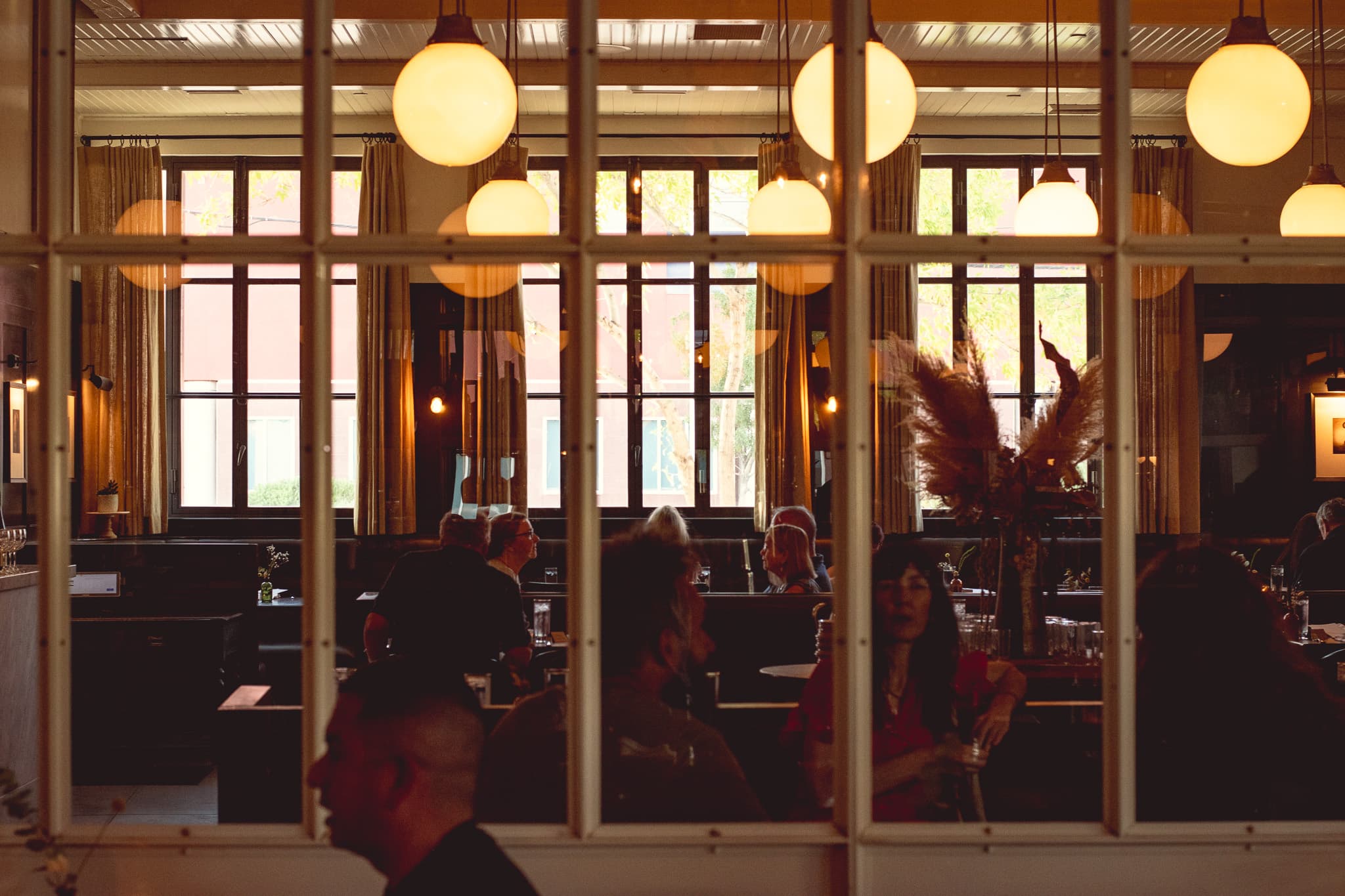
Also, don’t expect standard forks, knives, and plates here. Find artisan, hand-made ceramics (including cups from Agave Pantry), stone, and wooden flatware and dinnerware, with the occasional twigs and leaves. The dining room also spaces tables generously.
Finally, expect attentive service throughout the meal. Staff never hovered, yet they always appeared quickly for refills or small needs like opening the door. They also keep dish descriptions brief when they present each course. But still, they answer questions thoroughly and with enthusiasm. If curiosity strikes, ask about sourcing, techniques, or fermentation. The team clearly enjoys discussing the process.
The Second Visit
Later, Ursa hosted the Tucson Foodie team for a comped dinner. The eight course tasting menu costs $150 per person. Because this visit served as a scheduled media experience rather than a personal outing, I brought camera and lighting equipment to document the dishes more thoroughly.
Additionally, the restaurant had operated for several more months by then. I wanted to see how the kitchen and service evolved with time.
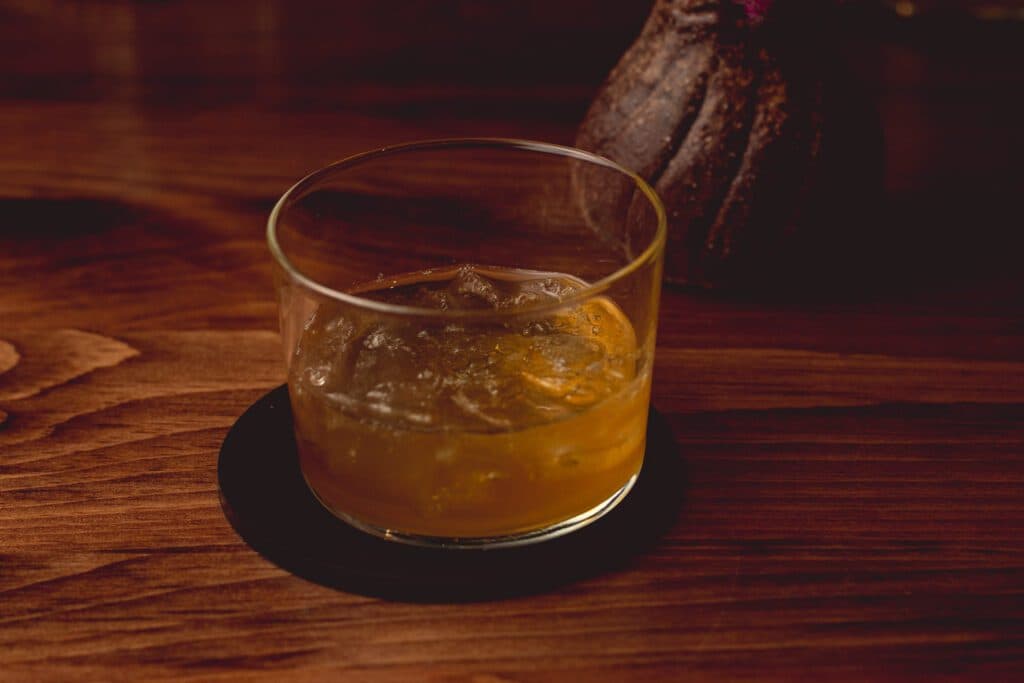
We also chose to pay for the beverage pairings, which cost $80 per person, along with a few digestifs. I enjoyed each pairing and found the flavors thoughtfully matched with the dishes. I strongly recommend the pairing for anyone who enjoys wine.
Bonus: I noticed the music playing in the restaurant contained a few tracks from Adrian Quesada’s Boleros Psicodélicos.
January 22, 2026 Menu
- Barrel Fruit Aged in Ash
Chiltepin - Elk
Acorn, Porcini - Quail
Last Year’s Cholla - Bison
Squash Sashimi, I’itoi - Cactus
Ironwood, Screwbean - Venison
Amaranth, Dumpling - Wolfberry
- Nopal Sorbet
Jojoba - Amaranth
Yucca, Funnel Cake
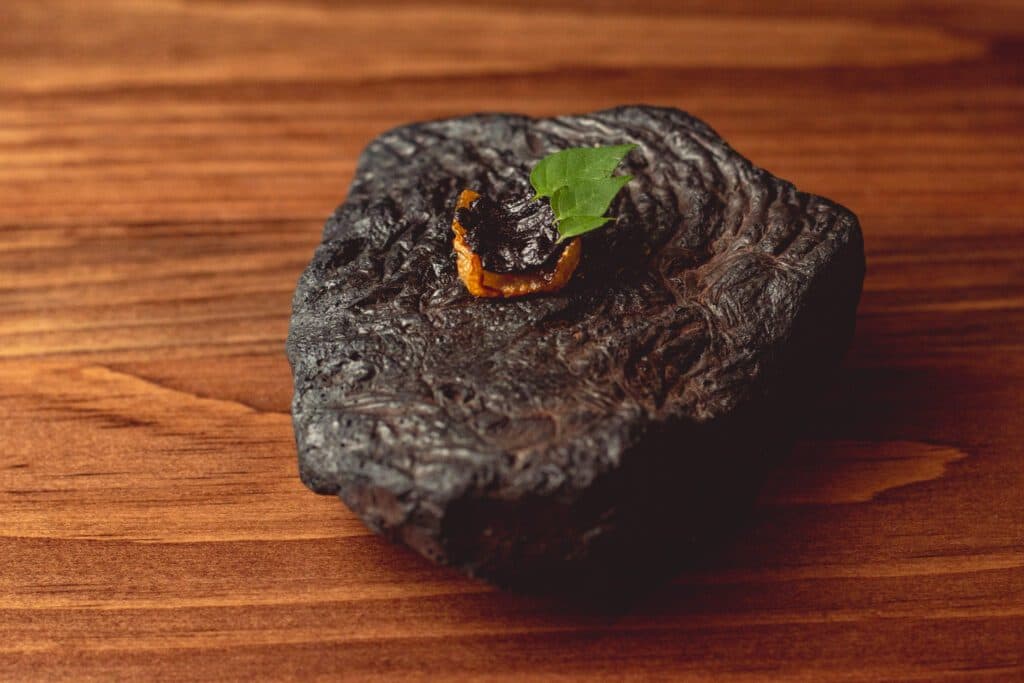
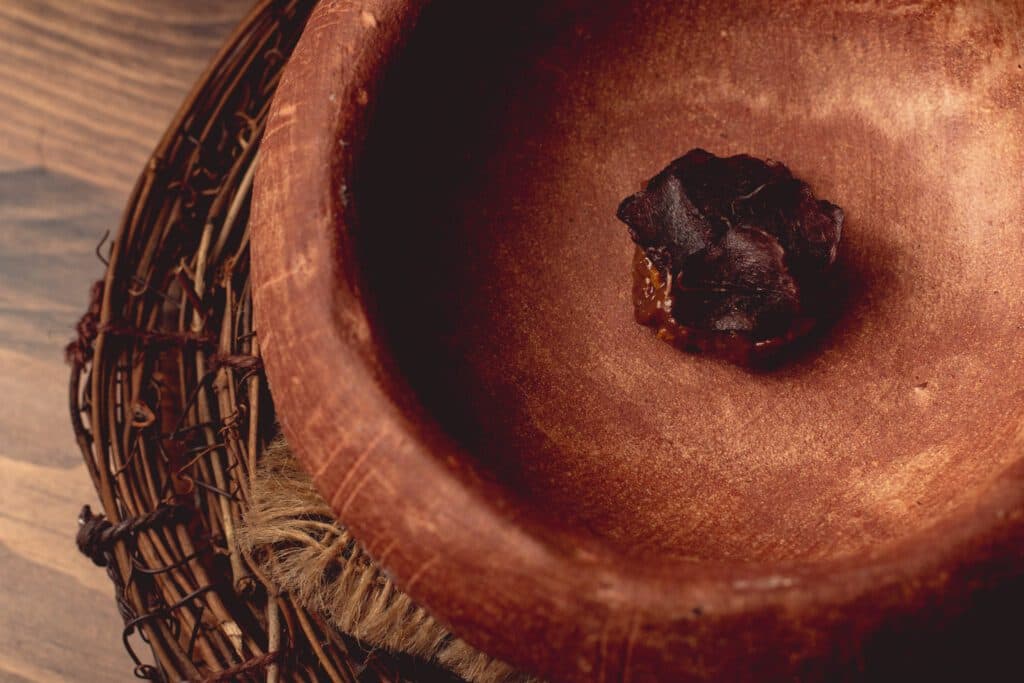
The barrel fruit served as a small bite to start the meal, slightly chewy and sweet with a hint of spice from chiltepín.
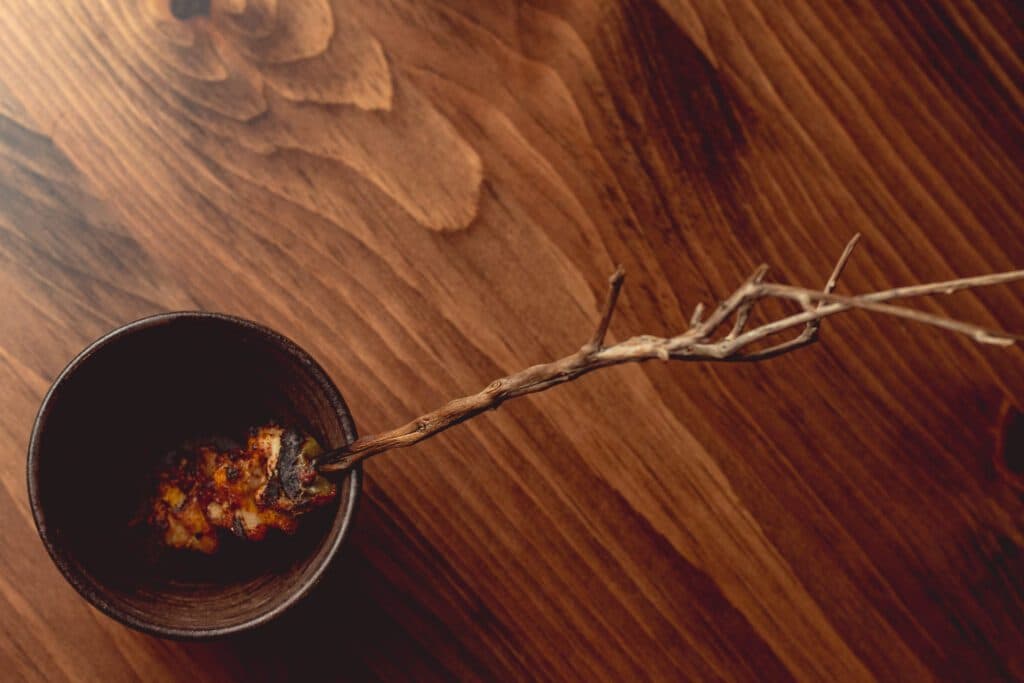
Another small bite, the elk, acorn, and porcini was topped with elk “bottarga” for a savory, crispy texture.
Paired with last year’s cholla, the quail took inspiration from Japanese yakitori skewers.
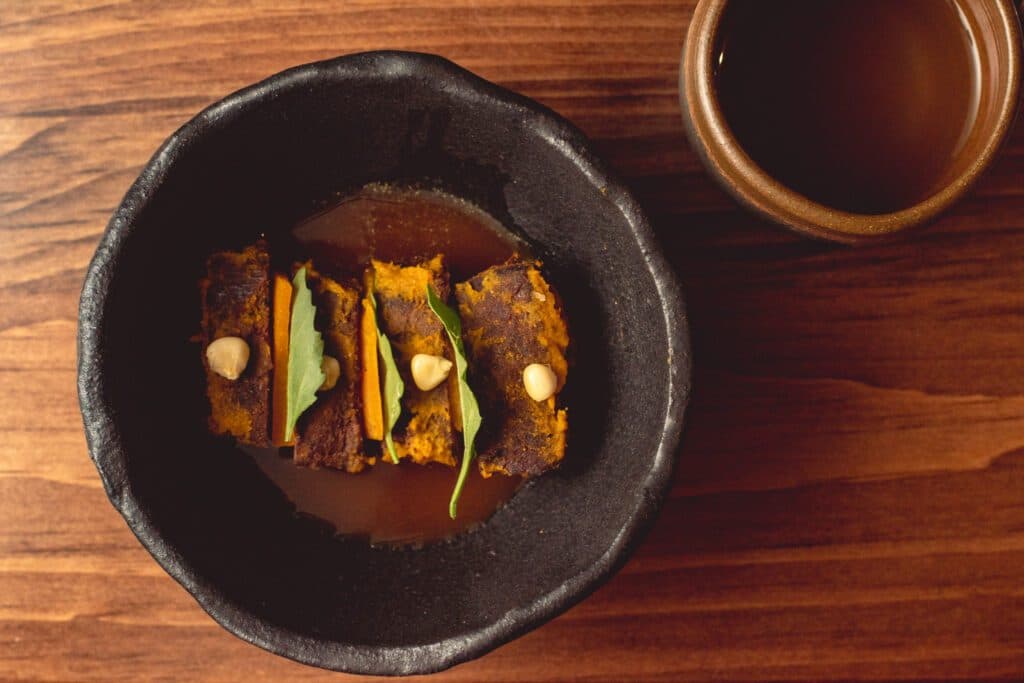
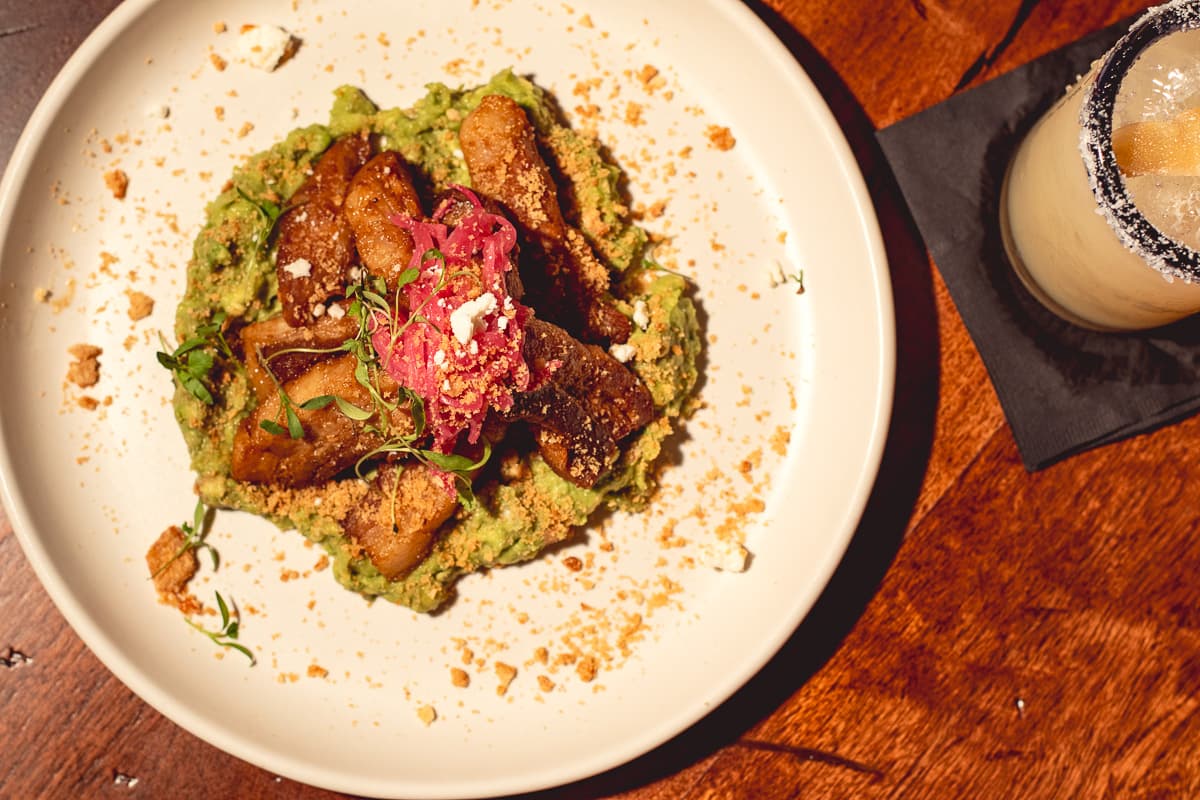
The steaky bison paired with a tender squash “sashimi” with umami boosted from I’itoi onion (one of my favorite ingredients from this area) and a delicate, earthy broth. This was my second-favorite course.
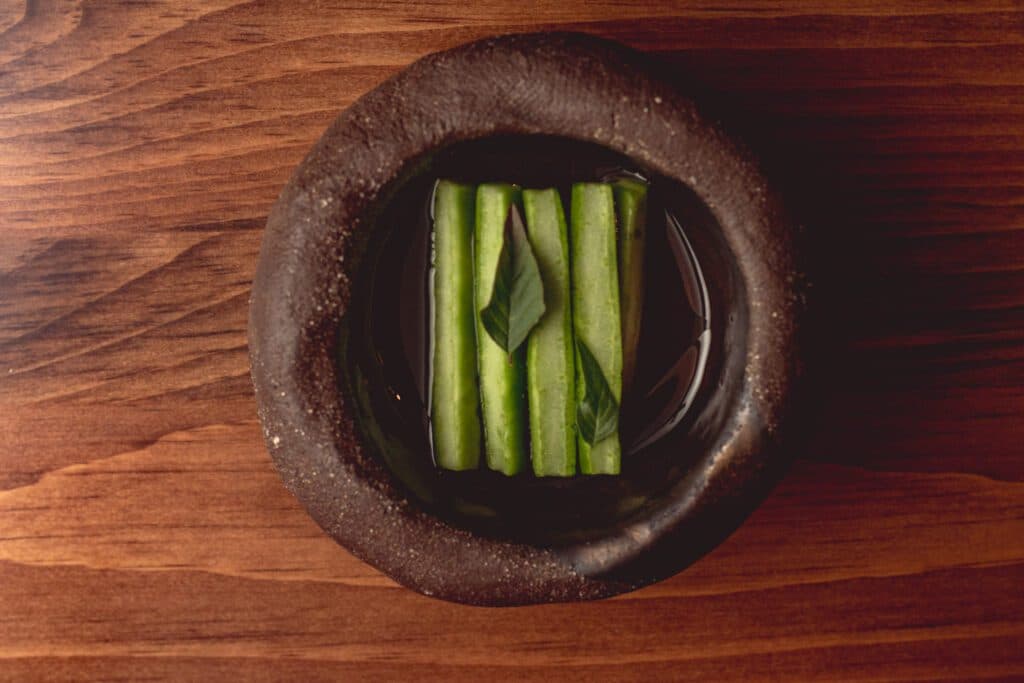
Light and grassy, the cactus tastes kind of like a blend of green beans and aloe vera. The ironwood and screwbean was more subtle.
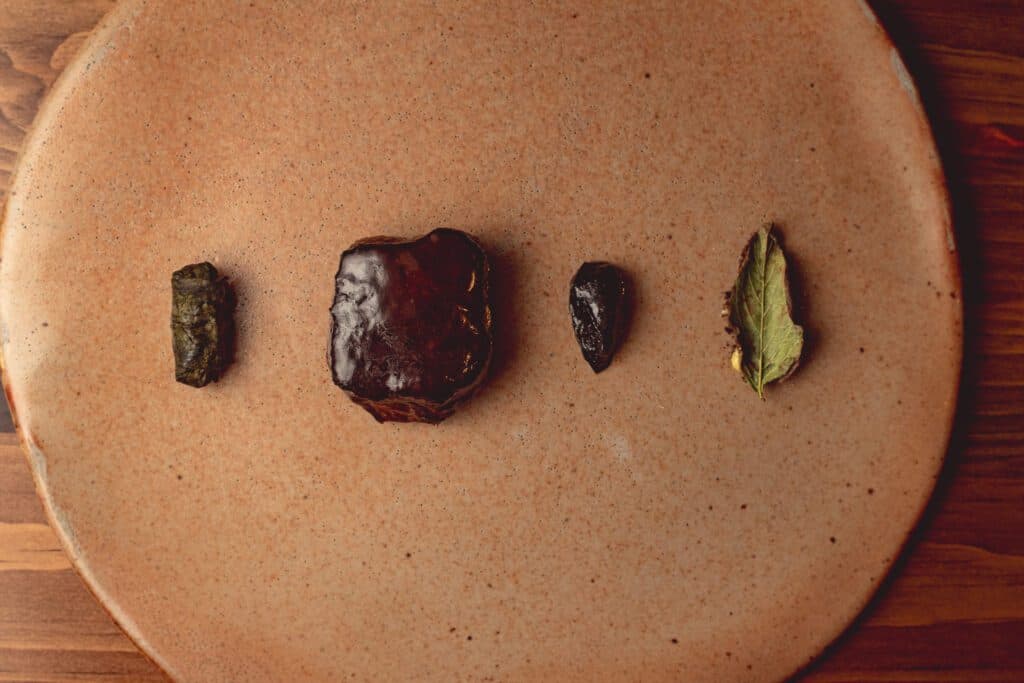
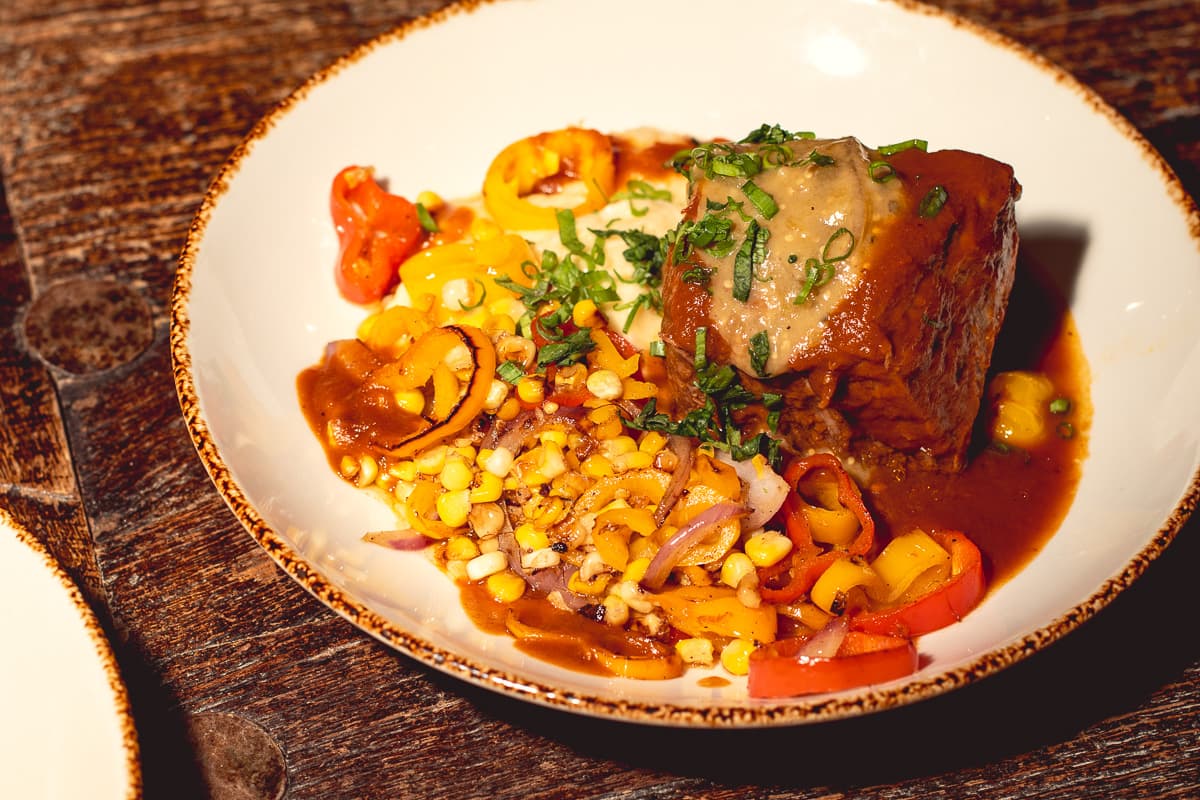
My favorite course, the tender venison came glazed in a thick, savory sauce and came with amaranth and a little dumpling.
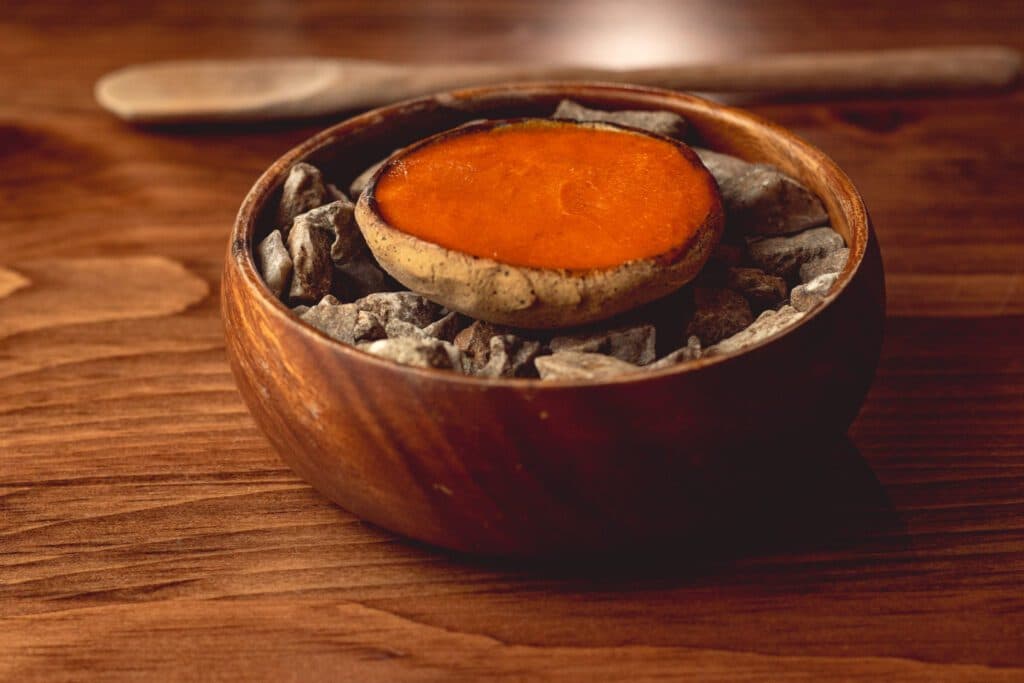
The wolfberry tasted like not much else, perhaps tempered with sweetness and acidity. If you grew up around traditional Eastern medicine and goji berries, this will taste familiar.
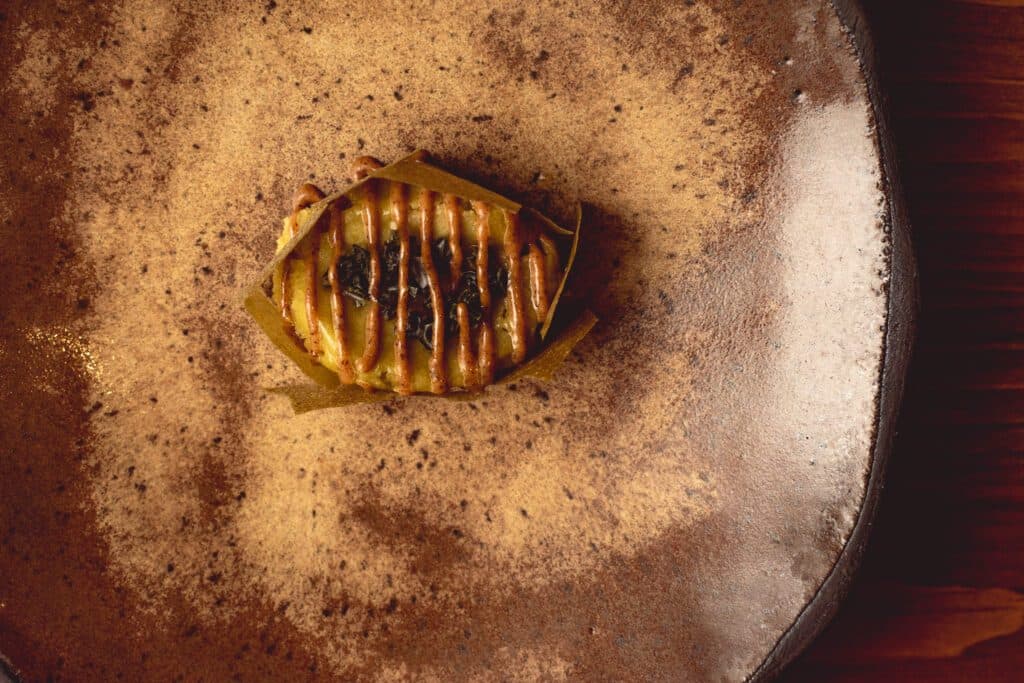
The smooth nopal sorbet leaned into the refreshing nature of its inherent grassy flavor, paired with the light nuttiness of jojoba.
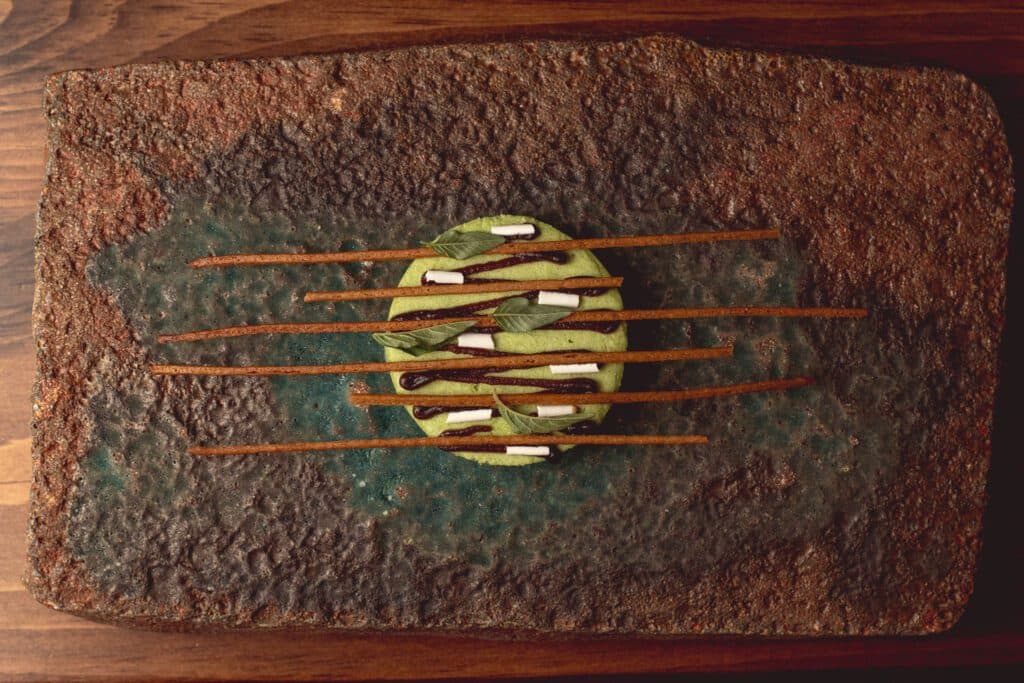
My third favorite course of the night featured amaranth with yucca and a thin, grissini-like crispy funnel cake. The dish also echoed the Mesquite Seven Ways from my first visit, thanks to its range of textures.
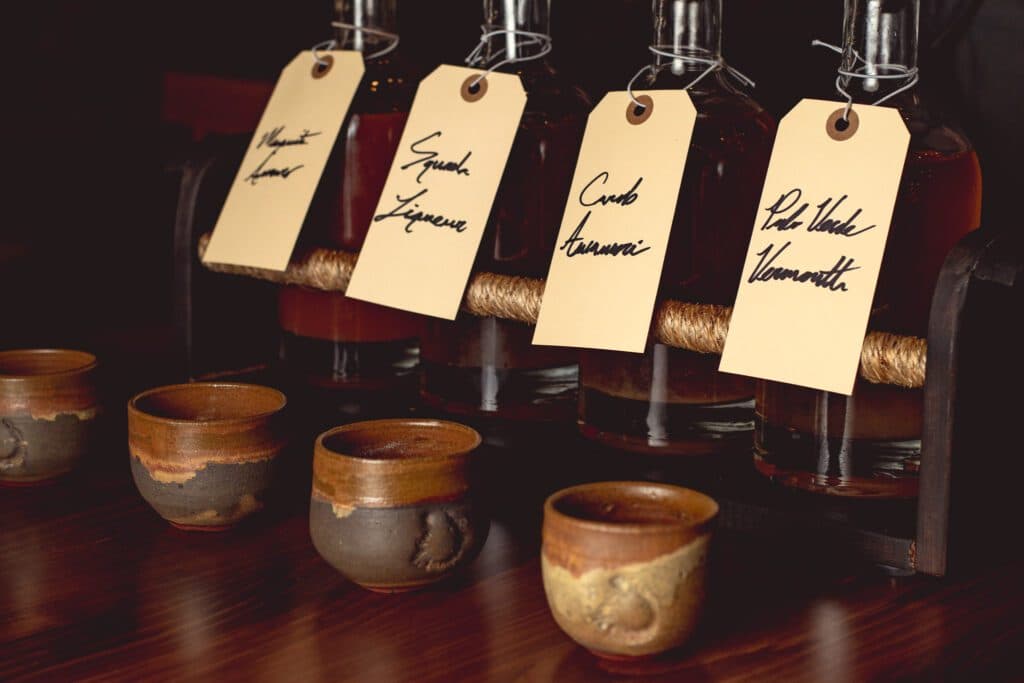
After the desert dessert, staff brought out the house made aperitifs. I enjoy bitter flavors, so I appreciated each one. The squash leaned sweeter, while the others carried more medicinal notes.
For diners who expect familiar flavors or comfort food, Ursa might catch them off guard. However, those who approach the experience with curiosity will likely find it rewarding. Chef Aaron Lopez and his team treat the desert as a creative framework rather than a limitation. As a result, the meal becomes less about indulgence and more about exploration. For diners interested in seeing the Sonoran Desert interpreted through technique, restraint, and thoughtful sourcing, Ursa offers one of the most distinctive dining experiences in Tucson.
Ursa is located at 110 E. Congress St. For more information, visit ursadesert.com. Keep up with Ursa on Instagram.