An Asian Grocery Store Turned Carryout Kitchen
Unlike most restaurants that start with a formal business plan, Pamilihan Pinoy Asian Grocery, a Filipino market on 22nd Street across from Reid Park Zoo, responded to customers who repeatedly asked, “Do you have Filipino food for takeout?”
Customers didn’t want more patis, rice, frozen lumpia, banana ketchup, ube, or salted eggs. They wanted cooked Filipino food, ready to eat.
That demand had been building in the Filipino market owned by Rica and James Pijuan since 2023. The shop had already become a regular stop for Filipino families, Islanders, military customers, and curious Tucsonans. These shoppers were looking for hard-to-find ingredients that could be found nowhere else in town.
“People kept asking, ‘Why don’t you open a kitchen?’ Rica said. “They’d tell me they were too tired to cook. I turned to my husband and said, ‘Why don’t we just open a carry-out and make a home-cooked meal that is not too expensive?’”
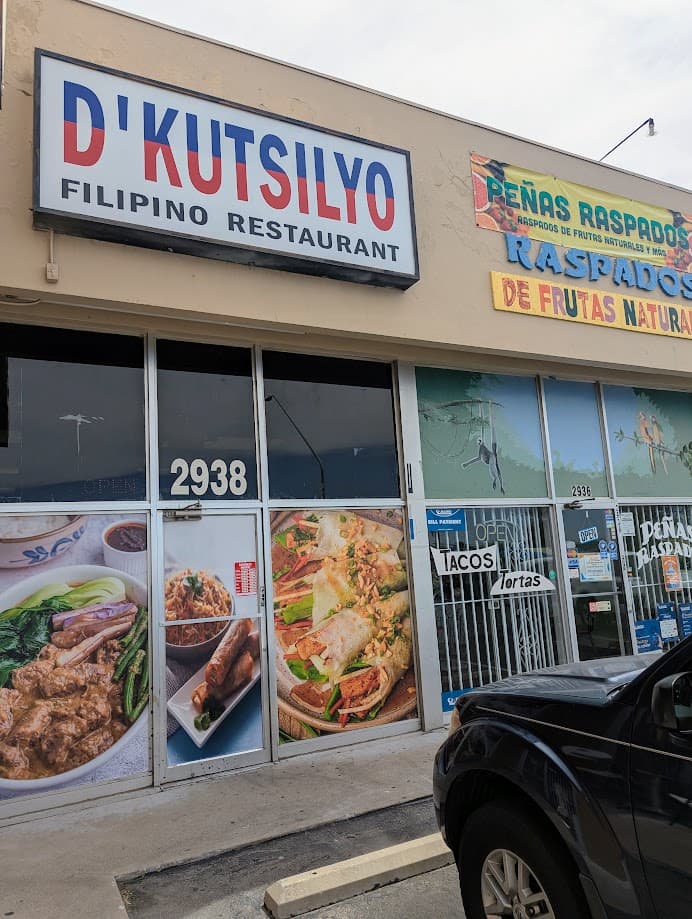
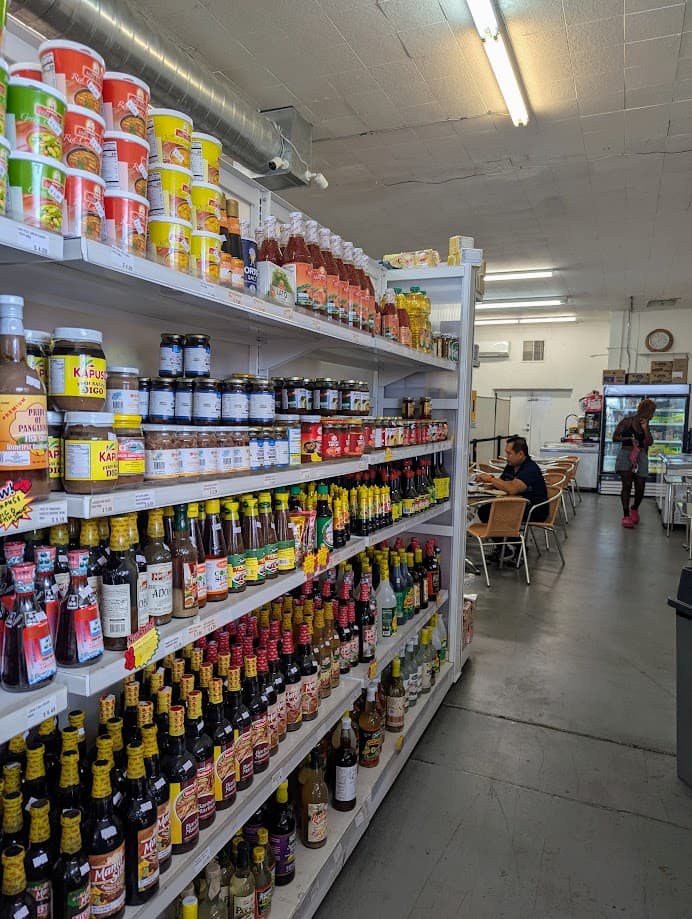
In late February, they opened the restaurant next door. Opening at 9 and closing at 5 p.m., customers enter through a smaller storefront or the market’s interior door. A large steam table displays rotating Filipino dishes — sisig, adobo, pancit, and ihaw — alongside sodas, water, and iced tea. About a dozen tables, with two outside and the rest at the back of the market, create a casual setting among imported goods and shoppers moving through the aisles.
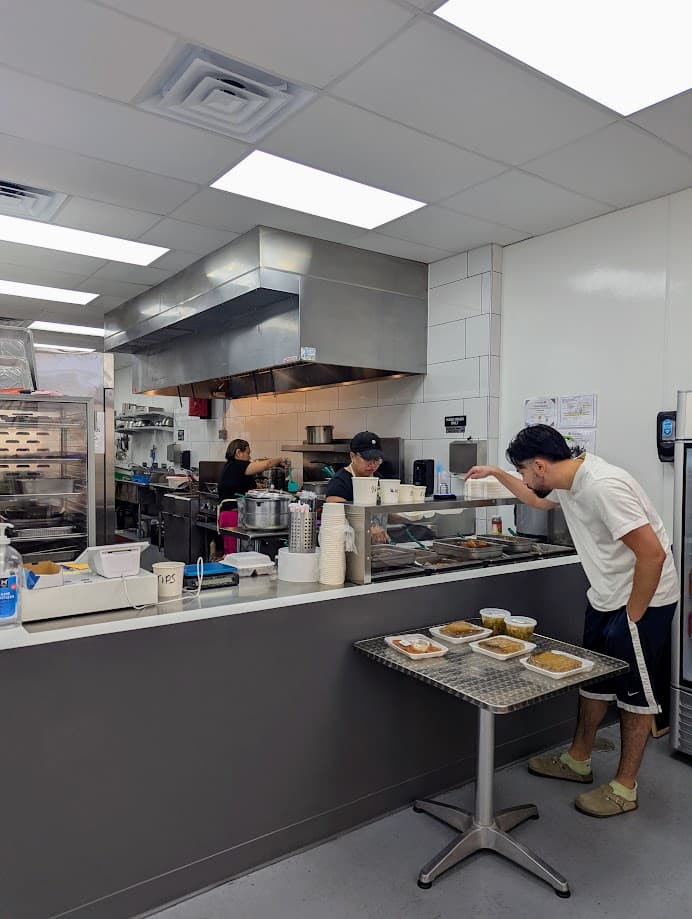
D’Kutsilyo, which means “The Knife” in Tagalog, reflects the careful preparation that went into opening.
From Manila and Hawaii to Tucson
Rica is from Manila; James was born in Hawaii but raised in the Philippines. Owning a restaurant wasn’t part of their long-term plan, but the path feels natural: Rica’s Filipino cooking background, years in hospitality in Hawaii, and moving to Tucson in 2016 to join family in the home care business. Burned out from that work, they jumped at a nearby space in Central Tucson.
“This was not a plan,” Rica said. “It was, let’s do it and see if it works.”
What’s on The Menu
Adobo is the archipelago’s most well-known dish and popular. It is always on the menu. When Rica makes it, she uses boneless chicken to make it easier for people not used to eating around bones. Another chef uses bone-in chicken. “It tastes the same,” she said. “But, it’s how you cook it.”
The affordable menu features weekly-rotating dishes, with soups starting at $4.99 and combo dishes at almost $14, with three choices and a choice of rice or pancit. The board always includes staples: adobo, pancit, lumpia, and lechon kawali. Depending on the day, Rica or one of the other two chefs on staff does the cooking.
Pancit is a favorite for takeout. This rice noodle dish, made with over a dozen ingredients, is often brought home for celebrations, family dinners, or whenever cooking isn’t on the agenda.
“Every day we get several orders for our pancit, half tray or full tray,” she said.
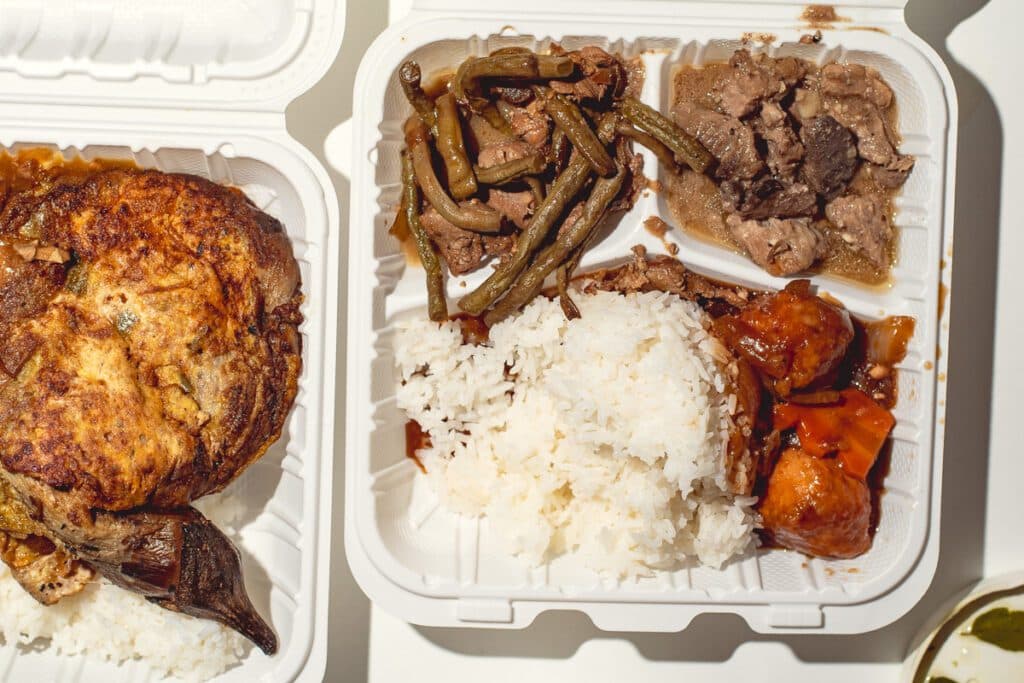
There’s classic fare that doesn’t ease you into the culture but remains delicious. Dinuguan, sometimes called “chocolate stew,” uses pork offal and pork blood. It’s a rich, dark, and slightly spicy ragout, not something you’ll typically find on every archipelago cuisine menu. For Filipinos, it’s comforting, like chili; for others, it’s a deeper exploration of Filipino flavor. Introducing such dishes to Americans is what chef Andrew Zimmern built his career on. That’s the point of D’Kutsilyo: part homecoming, part introduction to Philippine savoriness.
Serving The Community Already Here
According to the latest U.S. Census, over 6,000 Filipinos live in Tucson. This reflects the growing Filipino population across Arizona. Many gather after mass on Sundays at St. Elizabeth Ann Seton Catholic Church and St. Augustine Cathedral. Long-standing groups like the Filipino American Association of Tucson organize events and community support. At Davis-Monthan Air Force Base, Filipino service members and their families have long been woven into U.S. military fabric and life.
Tucson has long lacked a variety of Filipino food options. However, d’Kutsityo’s customers include Marshall Islanders, Hawaii natives, military families, and locals, many of whom start with lumpia or pancit and return for more. For those with dietary restrictions, D’Kutsilyo offers vegetarian options.
Next door, the market fills in the rest.
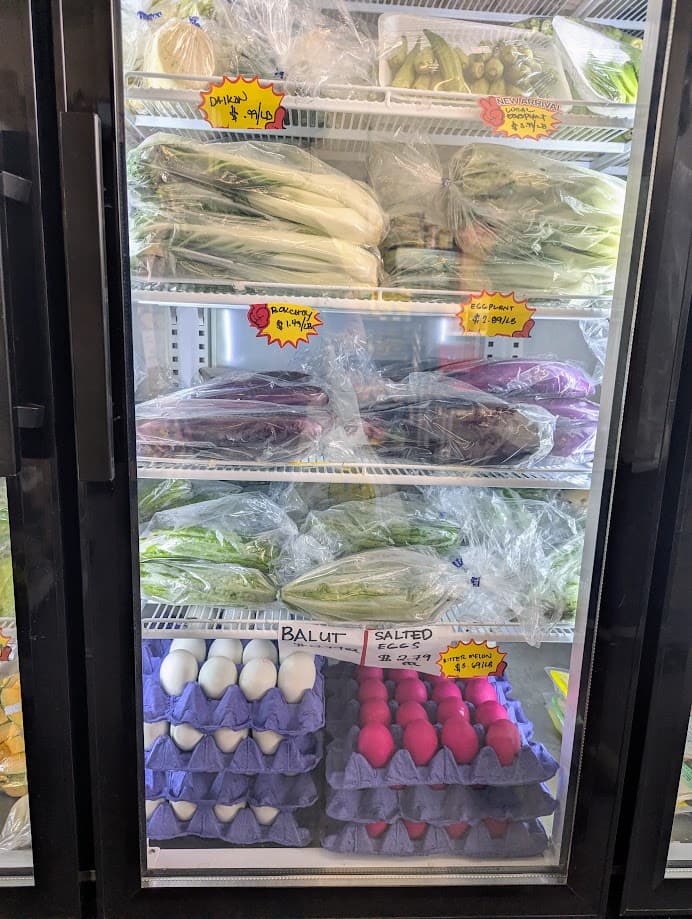
Rica works with suppliers in California. She pays attention to what people buy, what is missing, and what is new. The shelves are stocked with pantry staples such as longanisa, fish balls, canned squid, and snacks you do not usually see in Tucson. It’s less about novelty and more about giving shoppers what’s familiar from their home.
“I always make sure whatever is new, I bring it to the store,” she said. “It brings excitement to the customers.”
The market and the restaurant work together. One, ultimately, feeds the other. Try the lumpia, buy some frozen ones for home.
For Rica, it is still a lot of work. She manages the grocery needs. The kitchen takes a team, constant prep and long days. But it is different from what she did before, providing medically needed housecare. This offers a stronger connection to something she enjoys, which is providing for her community.
“I love what I’m doing,” she said. “You just go to sleep, and the next day you get energy again.”
D’Kutsilyo is not trying to redefine Filipino food or turn it into something new. It simply gives people access to the food they’ve been asking for. In Tucson and the Pijuans’ growing food business, that’s been enough.
Follow Pamilihan Pinoy Grocery on Instagram and Facebook. Follow D’Kutsilyo on Facebook.
Article written by: