
Tucson City of Gastronomy (TCOG) is launching Resilience Kitchen, a flexible new program spotlighting local food heritage and sustainability.
Rather than a single location, Resilience Kitchen will pop up at events, schools, and home kitchens throughout the community. The program blends heritage preservation, climate adaptation, and cultural storytelling. It highlights Tucson’s Indigenous and immigrant foodways and explores their continued relevance in a warming world.
The Humanities in Place Program at the Mellon Foundation awarded TCOG a $750,000 grant, which will support Resilience Kitchen and other programs over the next three years. The funding also allows TCOG to expand its partnerships with southern Arizona nonprofits.
“This grant arrives at a critical time for arts, culture, and heritage nonprofits nationwide,” said TCOG executive director Jonathan Mabry. “Rather than merely surviving in these challenging times, TCOG will now be able to expand our reach, strengthen our impact, and ensure that Tucson’s rich food heritage remains a source of resilience, pride, and inspiration for generations to come.”
Launching in 2025, Resilience Kitchen will offer cooking classes, workshops, and oral history projects. These activities will center community voices and promote reciprocal, ethical documentation. Recipes, stories, and video interviews will be archived and shared.
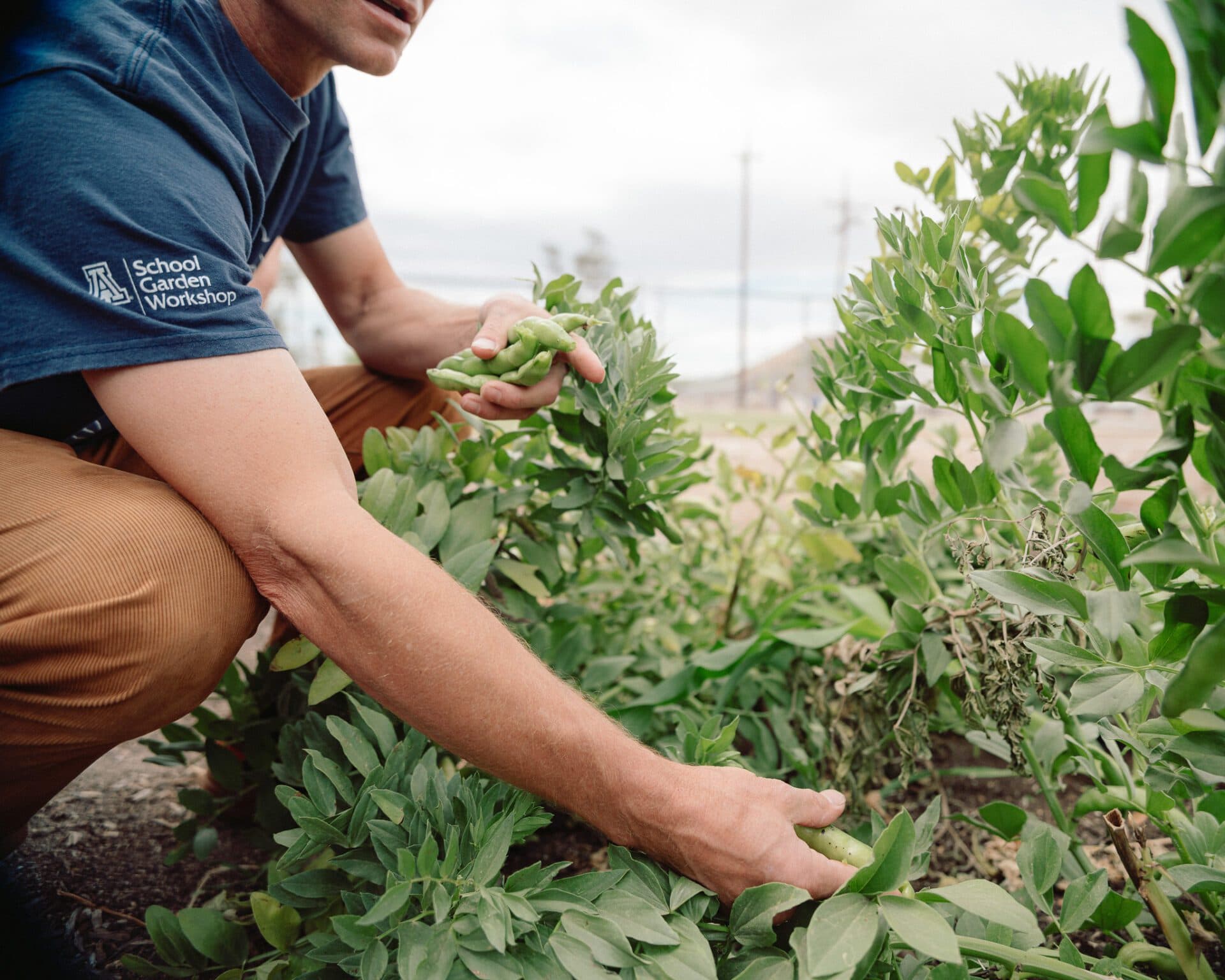
TCOG will partner with the University of Arizona’s Community & School Garden Program to host events at the Sprouts House teaching kitchen under construction at Mansfield Middle School. Other sessions will take place in community and home kitchens.
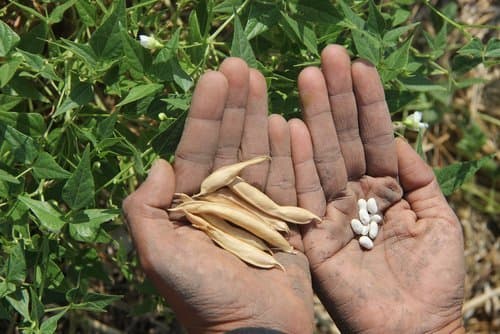
In these spaces, professional chefs and home cooks from the Arizona-Sonora borderlands will document and teach the culinary uses, techniques, and cultural meanings of traditional ingredients, particularly those suited for arid climates.
The Southwest Folklife Alliance will help develop storytelling methods and publish the results in its BorderLore journal. Resilience Kitchen also plans knowledge exchanges with other UNESCO Creative Cities focused on sustainable, climate-smart cuisines.
The initiative will support local producers, Indigenous farmers, and refugees through paid opportunities, training, and fair-market access. Partners include the Arizona-Sonora Desert Museum and Local First Arizona.
Janos Wilder, TCOG Board President, emphasized the long-term vision.
“This grant lets us look forward with optimism as we work to connect more than five thousand years of Sonoran Desert farmers growing and gathering heat-tolerant, low-water crops and wild foods with a new generation of farmers, chefs, and scientists learning from the traditional knowledge keepers and working together to promote these heritage foods as promising foods for the hotter future,” Wilder said.
Learn more about Tucson City of Gastronomy at tucson.cityofgastronomy.org.