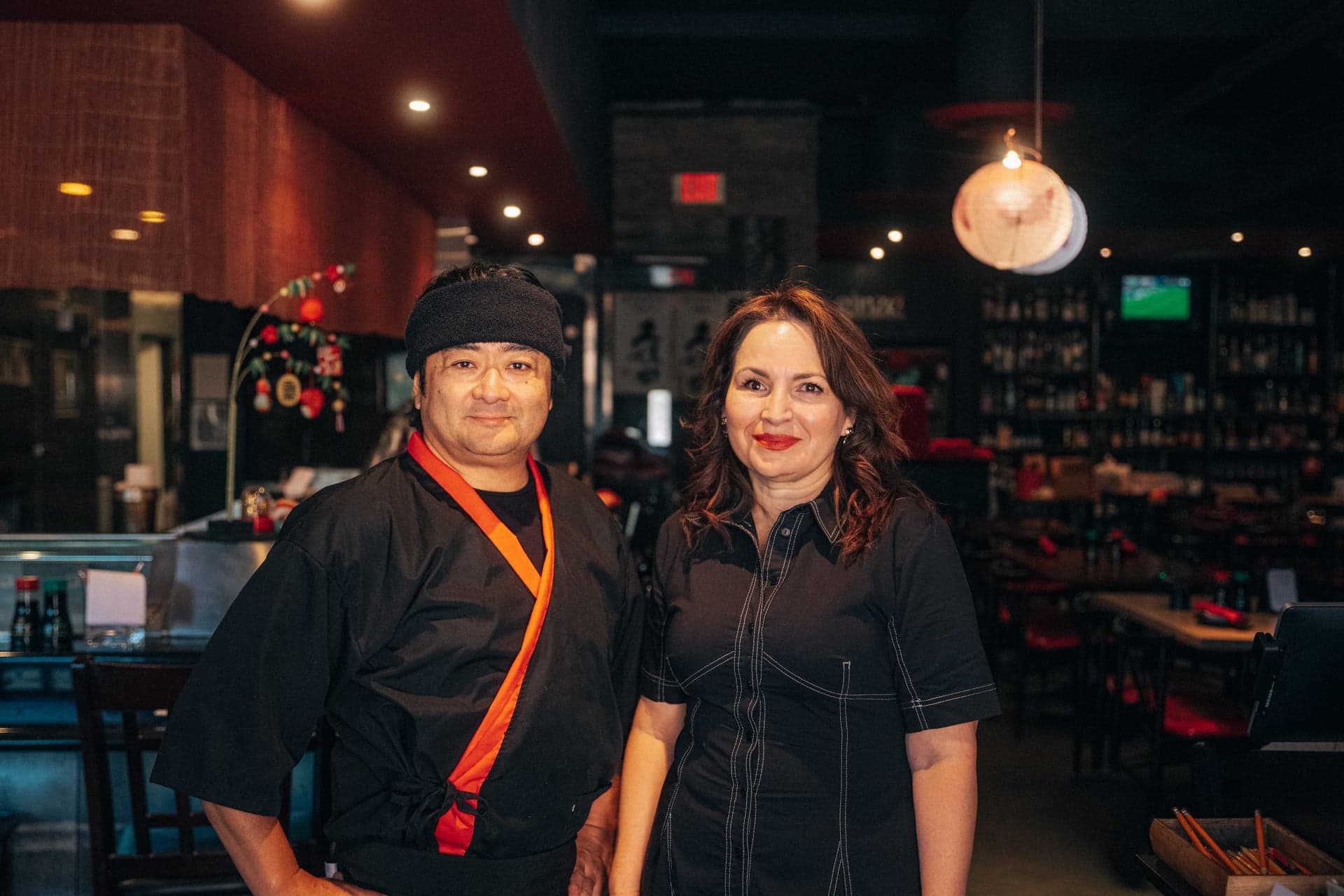

In the nearly 20 years since they opened Ginza Sushi & Izakaya, Diana and Jun Arai have quietly expanded the scope of the local Japanese culinary scene.
Ginza, which debuted on the northeast side in early 2008, was the first in town to highlight izakaya-style dining. Casual pub-like restaurants that are popular in Japan, izakayas feature small plates, similar to tapas — in this case, the likes of pork dumplings, fried Japanese eggplant, and spicy shrimp and peppers.
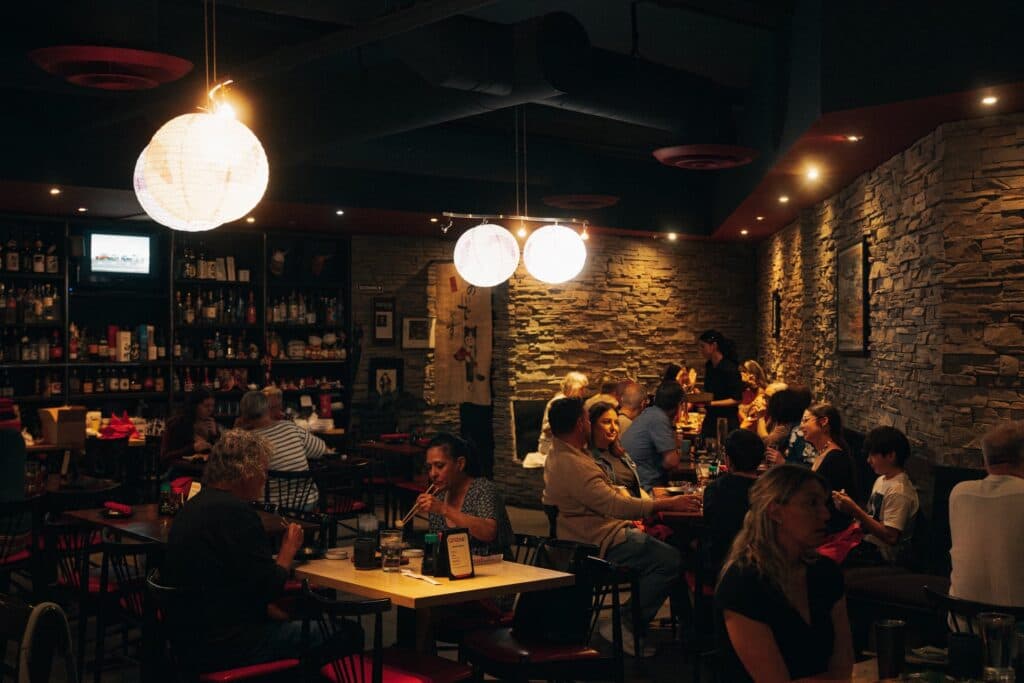
Jun, who was born in Japan’s Nagano prefecture, explained, “You can make it a meal out of them if you want, but the concept is to be social, to share.”
Still the only restaurant in Tucson with a dedicated izakaya menu, Ginza has the drinking component of the social experience well covered too. It offers one of the largest and best curated selection of sake in town, along with several varieties of Japanese beer and sochu, a rice-based beverage that’s distilled rather than brewed.
Bring on the Ramen
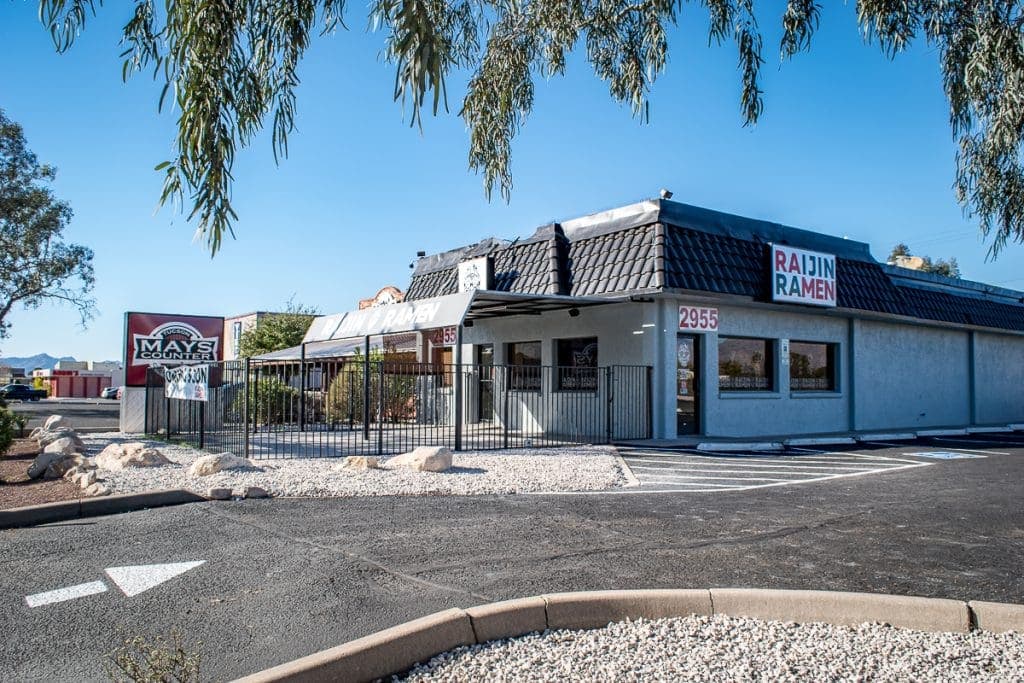
Like izakayas, casual ramen restaurants are staples on Japan’s food scene. In 2018, Diana and Jun opened Raijin Ramen in the midtown space that Saga Sushi had formerly occupied.
Previously, Tucsonans had been able to find the savory noodle soup on the menus of some Japanese eateries, including Ginza, but none had ramen as their sole focus. Jun said, “I used to make ramen in Japan, but it wasn’t popular in Tucson. Our kids, all of us, loved ramen and we used to go to California to get it.”
Being able to concentrate on a single specialty meant that Jun could perfect his recipes, and Raijin soon became especially known for its tonkotsu (pork broth) variations, including black roasted garlic and red spicy chili options. Today, seasonal menus might feature hard-to-find mazesoba: brothless ramen with ingredients including minced pork, a soft boiled egg, and Japanese toppings such as menma, made with fermented bamboo shoots.
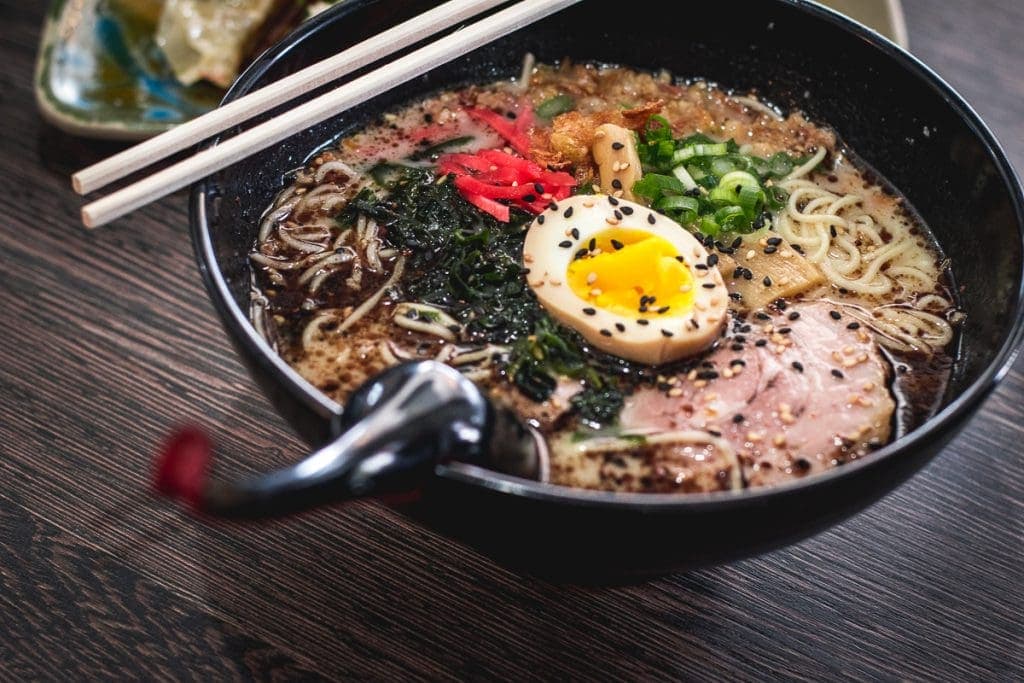
Diana noted, “Now there are other ramen restaurants in Tucson, but there weren’t any before.” In contrast to Ginza, where the dining experience is more upscale and leisurely, Raijin is geared towards those seeking a quick lunch or dinner at a reasonable price.
A Marriage of Two Cultures

Jun and Diana met in Diana’s hometown of Hermosillo, Mexico, where Jun went to study Spanish and where Diana was attending business school. After they married, they lived in Japan for a couple of years before deciding to settle in Tucson. It made sense: There was a close-knit Japanese community in town – Jun first came to help a family friend open Sushi Ten – and Diana could be closer to her parents.
Opening a restaurant was not immediately on their agenda. Jun worked at Sachiko Sushi for a while, and the young family went back to Japan for a couple of months before they decided to make the commitment to return and open their own place
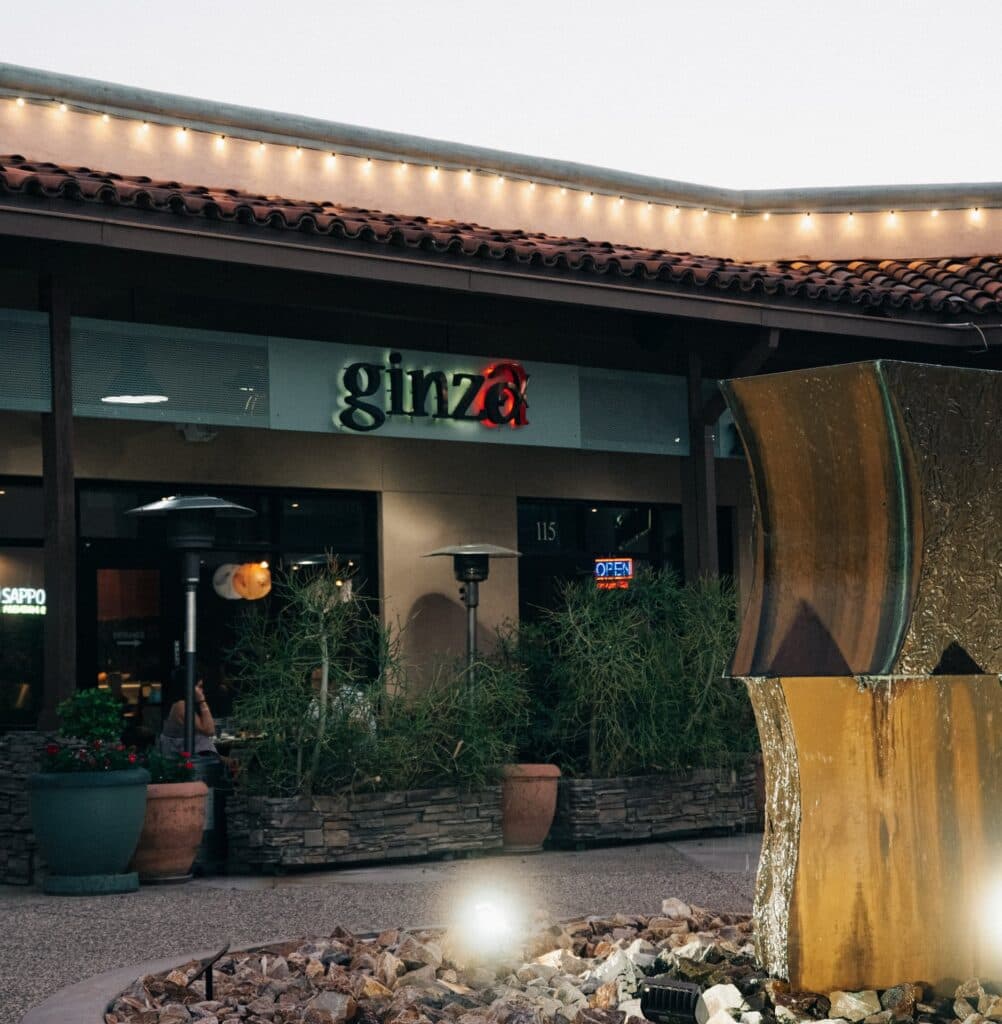
Starting out in the Foothills was a bit of a leap of faith but, Diana said, referring to Ginza, “When we started looking, this was one of the first places we saw and we kept coming back to it. We loved the area and there was a successful Japanese restaurant [Yama] in the space before, so we decided to go for it.”
Choosing a midtown location for Raijin was a much easier decision.
“We also thought it was a good bet because it’s close to the U of A,” Diana said. The date of the opening turned out to be auspicious: January 29, 2018 was the 10th anniversary to the day of Ginza’s debut. Diana laughed. “We didn’t plan it that way. We had been waiting since [the previous] October. It just happened that’s when the permits came through.”
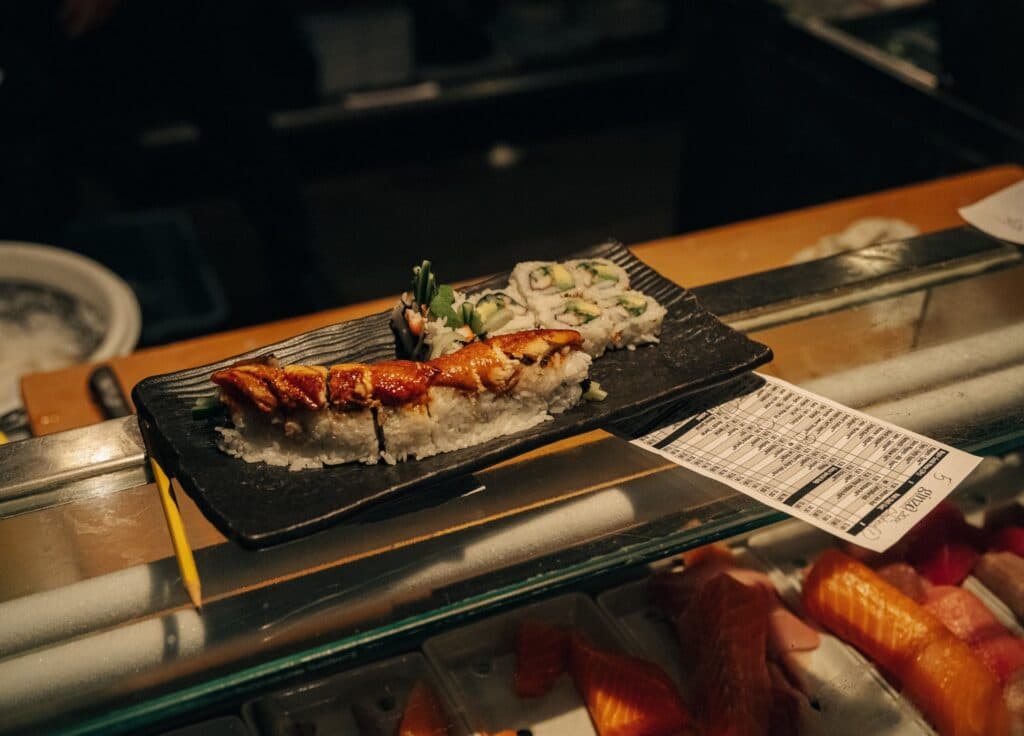
Although both their restaurants are quintessentially Japanese, a little Mexican influence can be seen on their menus. Ginza, for example, offers a ceviche roll topped with white tuna, while Raijin includes jalapeños among the ingredients in its spicy mazesoba.
Keeping Track of the Trends
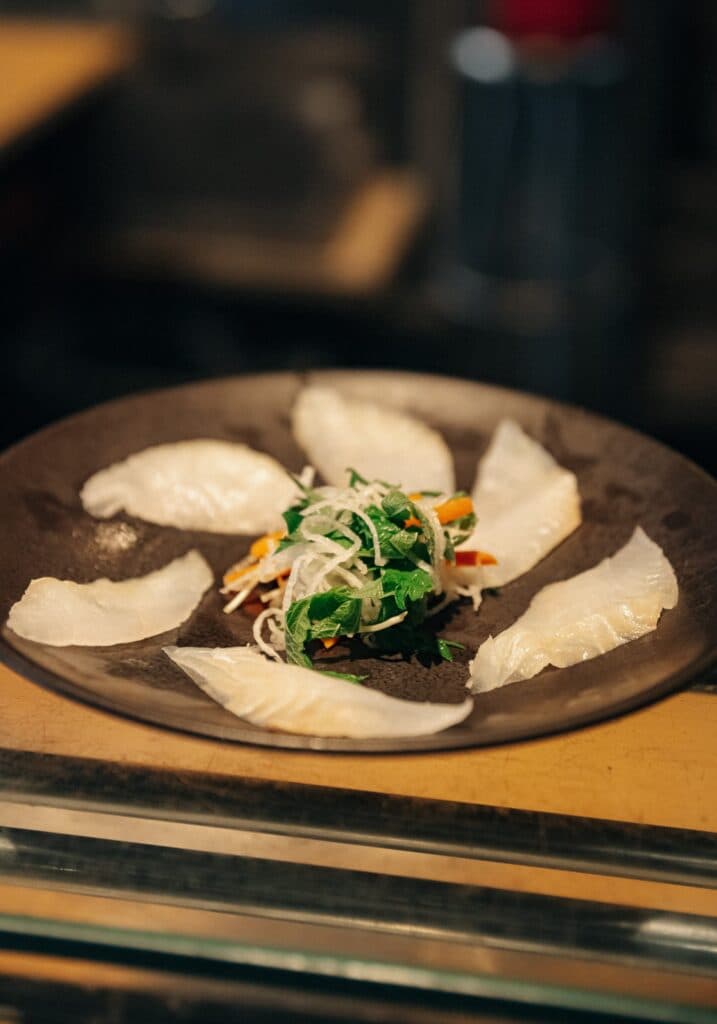
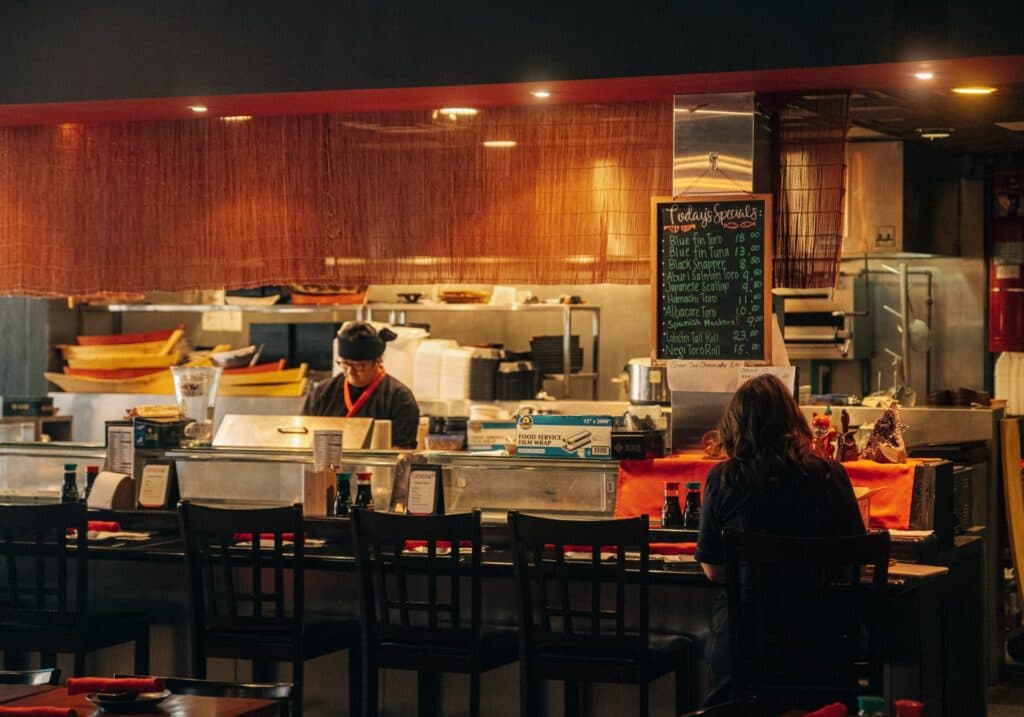
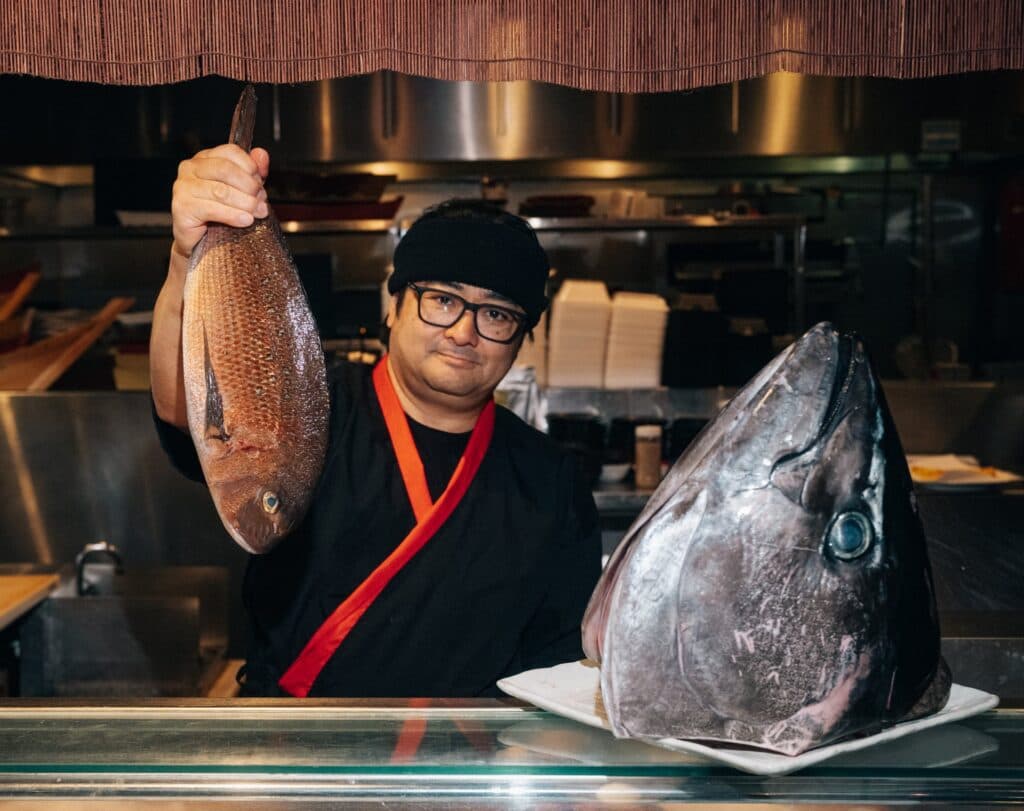
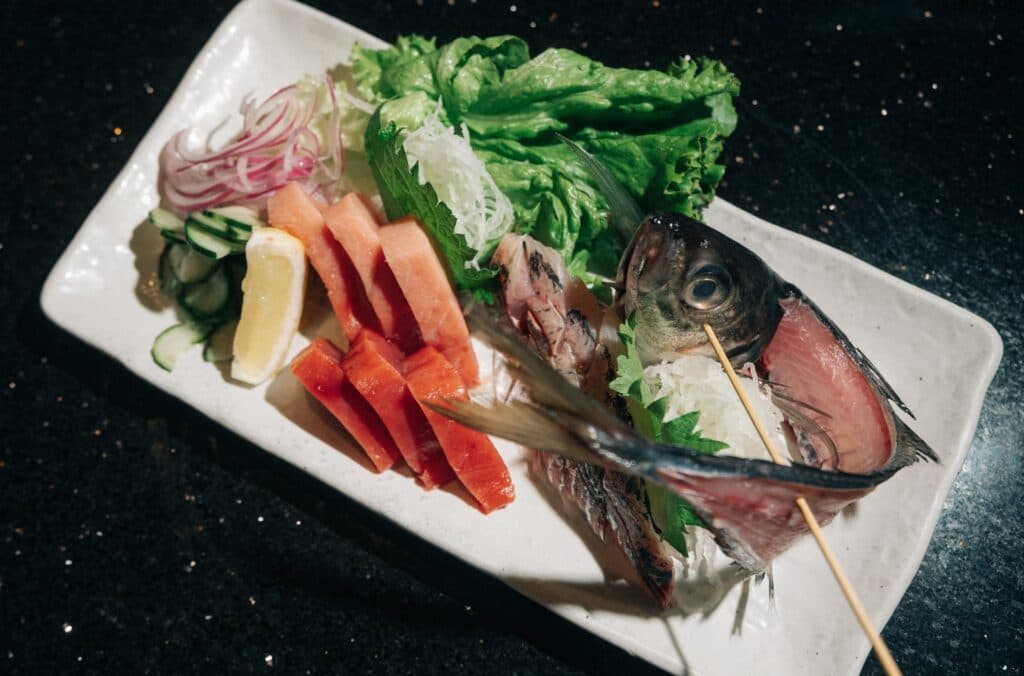
While Ginza’s izakaya menu is popular and teriyaki and tempura entrees sell well, sushi remains the restaurant’s star attraction. With good reason. Fresh fish is flown in from Japan and California daily. A chalkboard menu heralds the arrival of seasonal specialties, including some delicacies like shima aji (striped jack), Japanese red snapper, and tuna cheek, sometimes served in the whole fish head. Ginza is one of the few places in town that offers an omakase — chef’s choice — option, and the restaurant’s many regulars trust Jun’s ability to delight and instruct.
He and Diana go to Japan twice a year to visit Jun’s parents, who have grown too old to make the long trip to Tucson. While there, they check out the latest in Japanese dining and drinking trends. Jun mentions, for example, a new sake producer in upstate New York called Dassai Blue, an offshoot of the world-renowned Japanese brand that brews premium Junmai Daiginjo sake.
Ginza’s patrons appreciate the effort to keep up with the ever-changing culinary scene. Diana said, “Our customers are happy that if they travel to Japan or New York or anywhere, and then they come here and ask Jun, ‘Do you have this thing that other places don’t?’ Usually we do have it.”

Ginza Sushi & Izakaya is located at 5425 N. Kolb Rd. #115. For more information, visit ginzatucson.com.
Raijin Ramen is located at 2955 E. Speedway Blvd. For more information, visit raijinramen.com.



![Kneller's Delicatessen launches dinner service, hoagies, & house-made bagels [PHOTOS]](/_next/image?url=https%3A%2F%2Fwgwexrkqokkyffktcsqd.storage.supabase.co%2Fstorage%2Fv1%2Fobject%2Fpublic%2Fmedia%2Fmedia%2Flocations%2Ftf-knellers-delicatessen-appetizing-0057-a65e06291a79.jpg&w=3840&q=75)