Tucson FoodieCelebrating local food, drink, and community.
Guide to chili peppers at Mexican markets in Tucson

Guide to chili peppers at Mexican markets in Tucson

Jul 12, 20199 min read

If your only consideration in using chili peppers is for the heat, you’ll be missing out on an entire world of flavor.

The Old World fruit includes countless cultivars with flavors that range from grassy to fruity to chocolaty and beyond. The skilled use of a diverse range of chili peppers is part of what makes Mexican cuisine stand out on a global stage.

With the many varieties of chili peppers available, the selection process can overwhelming. Start with these few general rules with regards to fresh peppers: the smaller the pepper, the hotter it is; green peppers will taste grassier, while red peppers will be sweeter and fruitier; both can be spicy.

For a first-timer, walking into a Mexican market’s spice aisle might feel a little like walking into an apothecary lair.
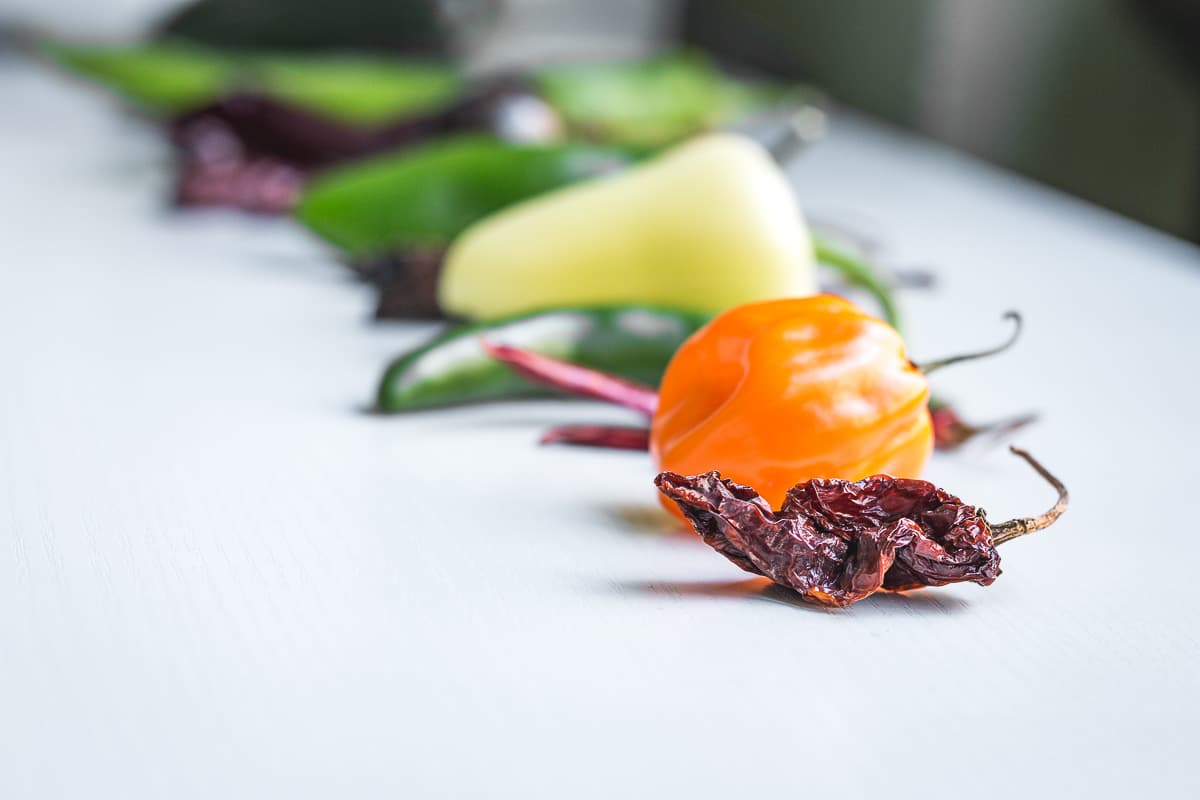
Assorted chili peppers (Credit: Jackie Tran)
Choosing quality chili peppers

When buying fresh peppers, look for vibrant colors and tight skins. When choosing dried chili peppers, look for ones that are pliable like a raisin and don’t immediately snap; brittle peppers are old and have lost most of their aroma.

American grocery stores have a smaller selection of peppers. We’ve had the best luck with Food City at 1221 W. Irvington Rd.; this was where we purchased all the peppers for this article.

How to prepare dried chili peppers

If you’re using peppers for a salsa, marinade, or soup, here are some starter tips.

  1. Remove the stems and seeds. Although you may be tempted to include more seeds for heat, they can contribute unwanted bitterness.
  2. Toast the peppers in a skillet on medium heat, with or without oil. This process takes only a few seconds on each side; the skin side will blister, while the flesh side will pick up a light brown color.
  3. Soak them in water for about 30 minutes, then blend them. Voila.
Choosing the right chili peppers

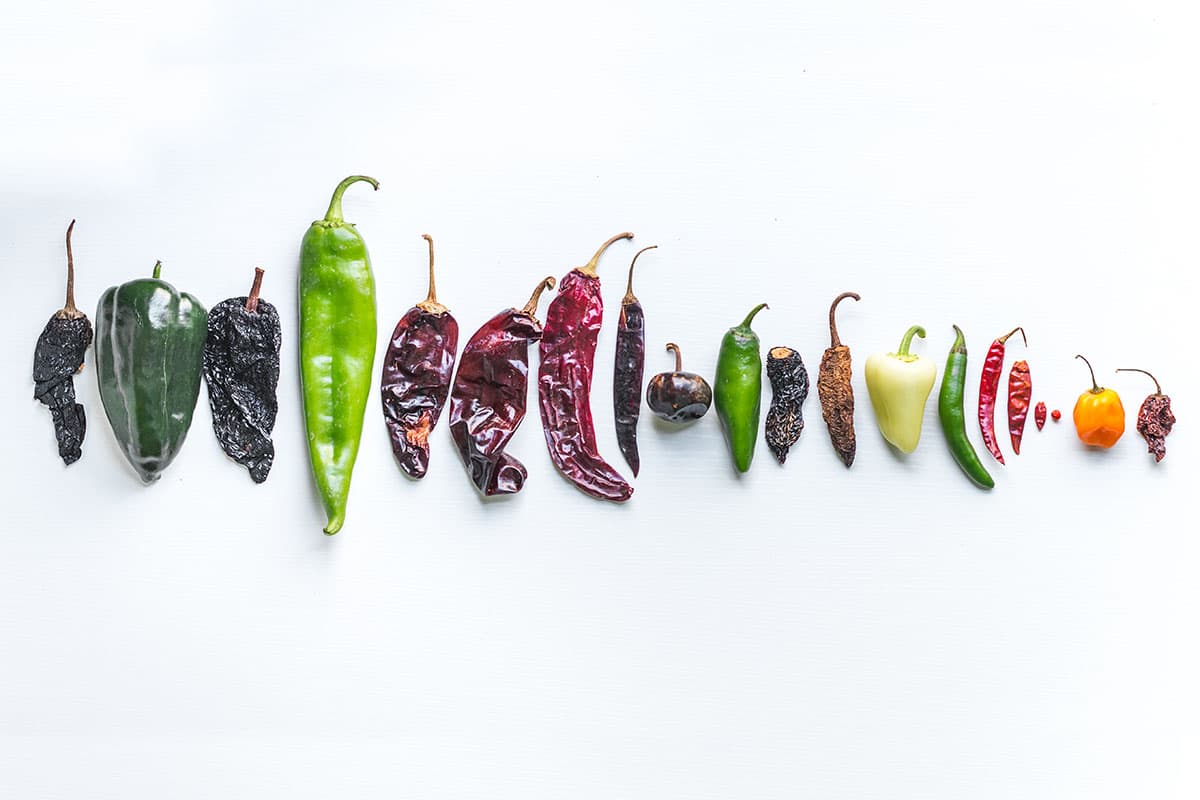
For all of the peppers below we’ve included the fresh version and the dried version. If we were able to locate the actual pepper to purchase and photograph, it’ll be numbered, otherwise it’ll just be listed in the headline font in red.

For example, for the first pepper listed, Chilaca, we were not able to find a fresh version. At least, not in time for this article. But Pasilla peppers abound.
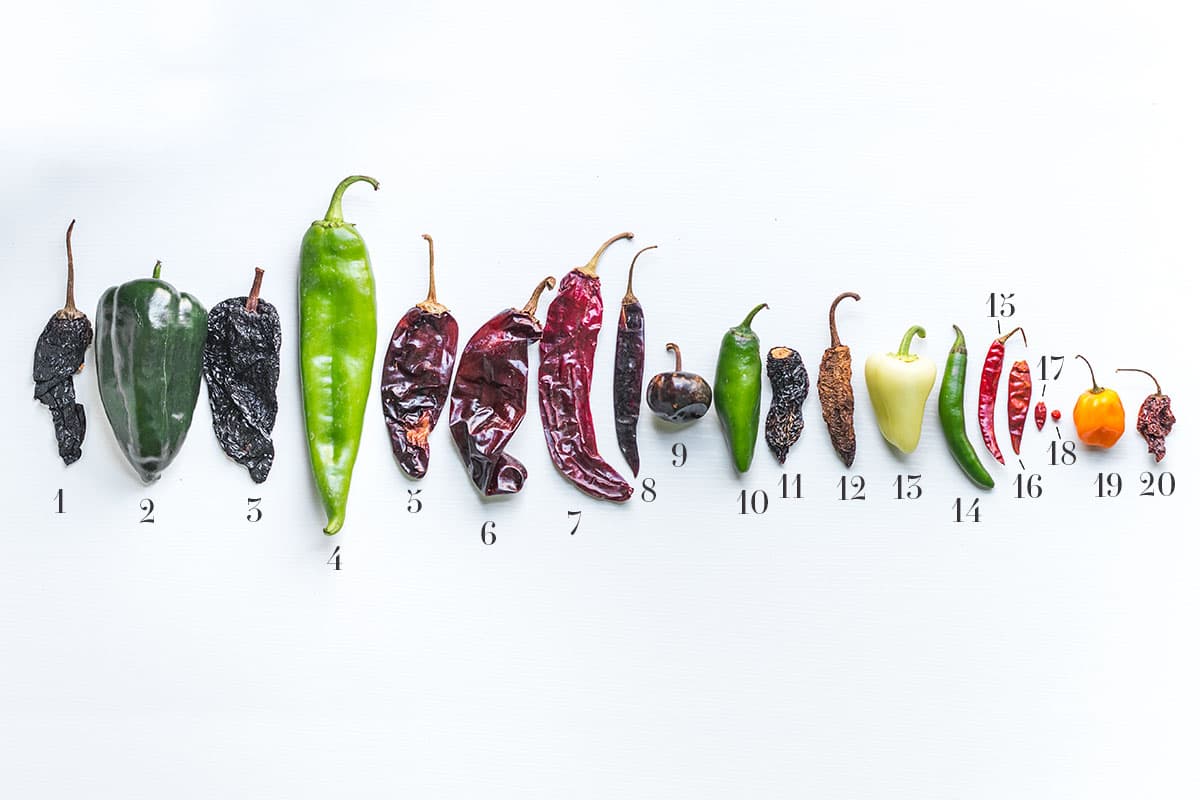
Assorted chili peppers (Credit: Jackie Tran)

Chilaca (1) Negro/Pasilla

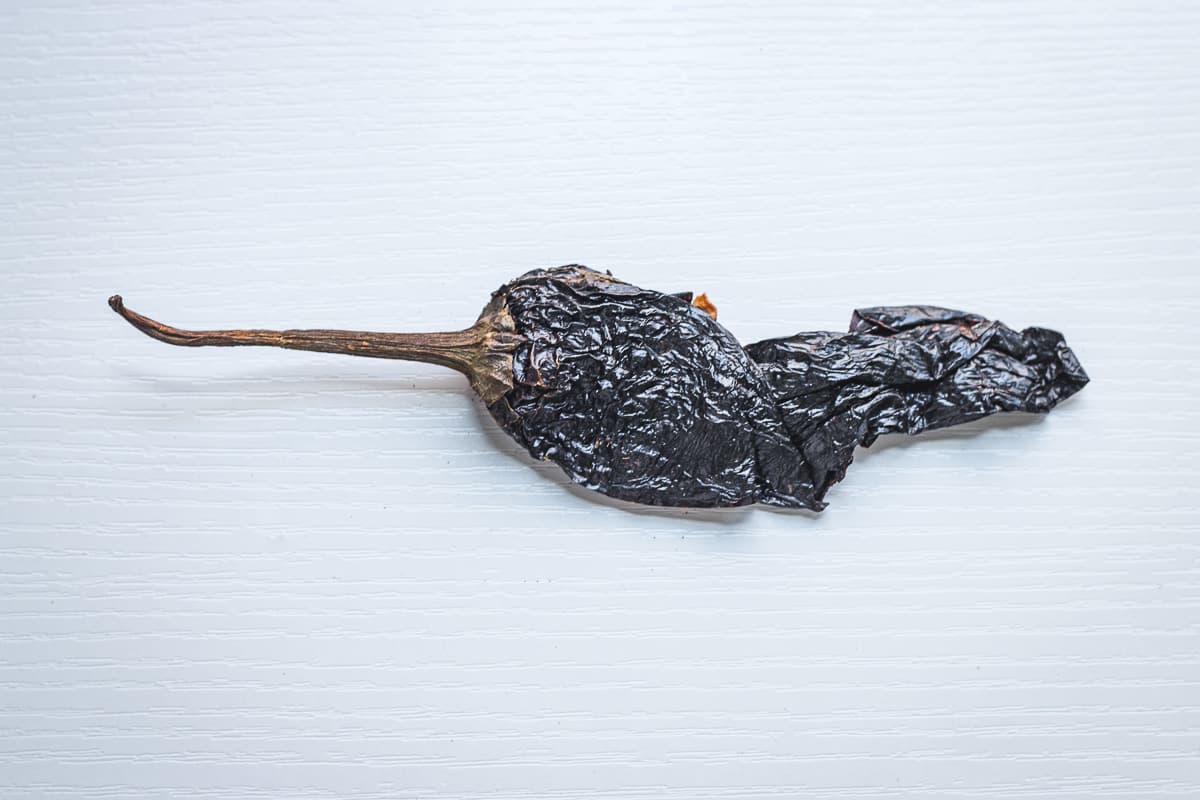
Pasilla-negro pepper (Credit: Jackie Tran)

You might not be able to find the fresh chilaca in Tucson, but you’ll easily find the dried version as pasilla (pronounced pah-see-yah), negro (pronounced nay-grow), or pasilla-negro. The pasilla features a robust chocolate flavor with notes of dried hay, making it a staple in sauces such as mole negro.

To make things confusing, in the U.S., if you find a fresh green pepper labeled as a pasilla pepper, it’s actually a poblano pepper, described later in this list. If you see a recipe call for a pasilla pepper, then look for dried chile negro or pasilla-negro in Tucson.

Heat rating: 1,000 – 4,000 Scoville units, barely detectable heat

(2) Poblano (3) Ancho Mulato

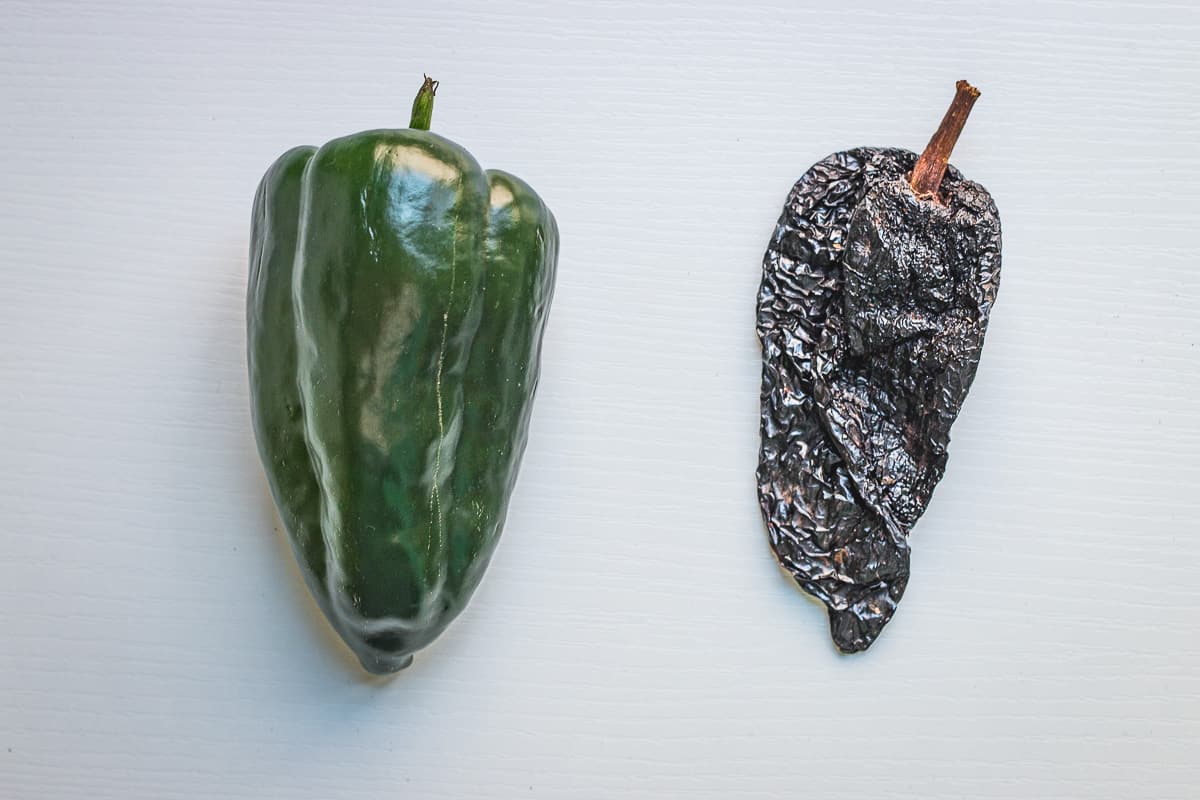
Poblano and ancho peppers (Credit: Jackie Tran)

The large green poblano originated in the Mexican state of Puebla. The mild pepper is treated like a vegetable rather than a spice, similar to a bell pepper. The skin is tough, so it’s usually charred and peeled off. Since the seeds aren’t spicy, they’re also generally removed. The famous chile relleno features a poblano stuffed with meat.

When the poblano is dried, it becomes the wrinkly ancho or mulato, depending on the variety. The transformation in flavor is similar to when a grape becomes a raisin or a tomato becomes a sun-dried tomato; the sweetness and fruity characteristics are intensified. The mulato is slightly more intense with stronger notes of chocolate, cherry, and licorice.

However, in the U.S., you may find a fresh green poblano labeled as a pasilla pepper. It the pepper is fresh and green, assume it is a poblano rather than the dried pasilla described at the beginning of this article.

Heat rating: 500 – 3,000 Scoville units, barely a tickle on the tongue

(4) Anaheim/Verde (5) California New Mexico/Hatch (6) Colorado

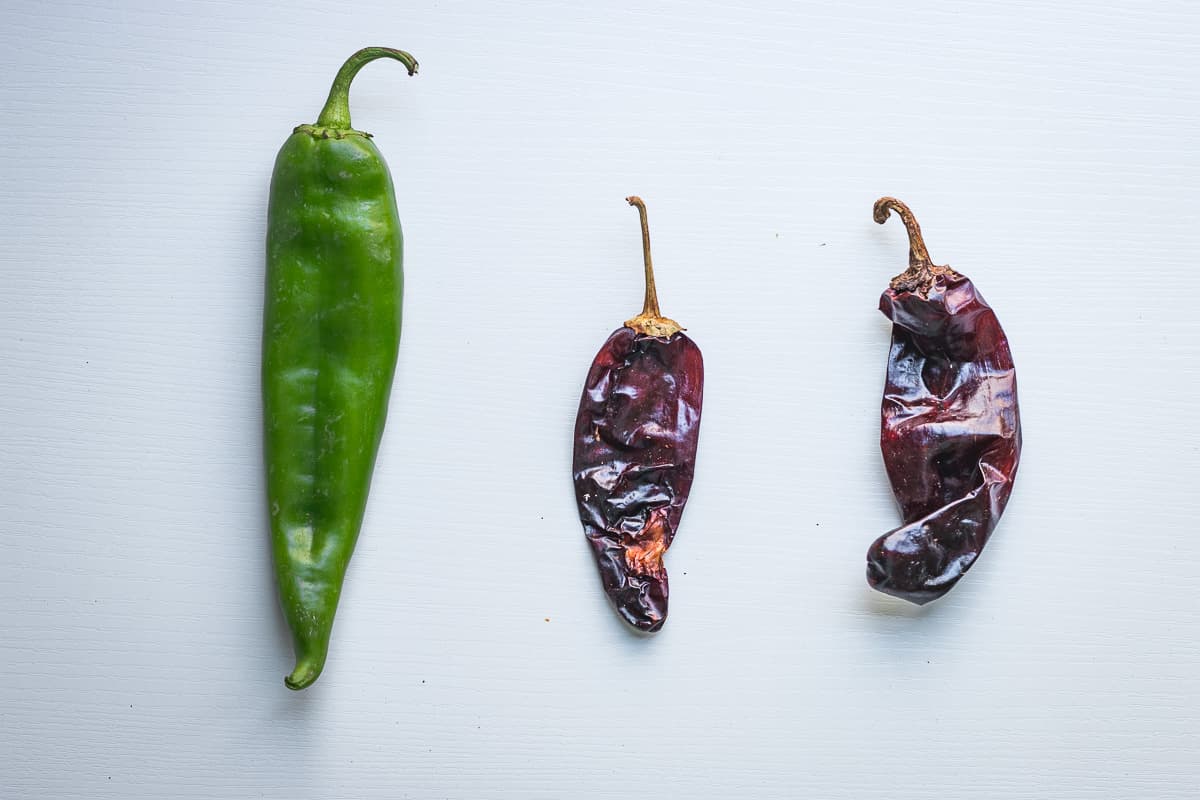
Anaheim pepper (also known as a chile verde), chile California, and chile colorado (Credit: Jackie Tran)

The chile verde or Anaheim pepper is the milder cousin of the New Mexico pepper. When the New Mexico pepper is from Hatch Valley, it is the Hatch pepper.

These are the peppers you’ll find in large rotating barrels over open flames, skins blistering and releasing a heavenly chili aroma that permeates miles. Blend them into mild green salsas or cut them up and add them to anything.

When dried, these peppers are known as the chile colorado (for its red color) or milder chile California. The term chile colorado is also used for the red chile dish you’ll find in restaurants, such as Anita Street Market’s legendary red chile burro.

Heat rating: 500 – 5,000 Scoville units, virtually heatless or sweat-inducing depending on luck of the draw.

Mirasol (7) Guajillo

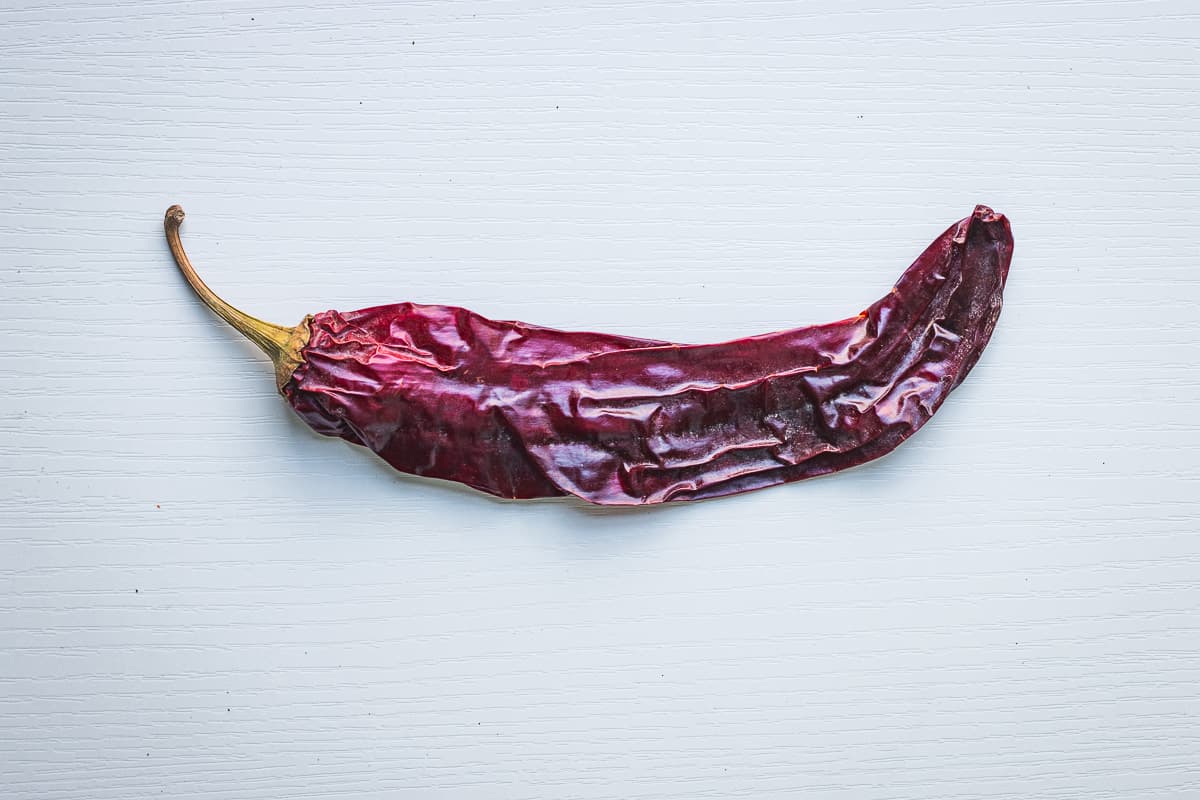
Guajillo pepper (Credit: Jackie Tran)

We had no lucking finding fresh mirasol in Tucson, but its dried form, the smooth-skinned guajillo pepper, is easy to find. Use it as a powder or blended into sauces and soups for citrus and pine brightness.

Heat rating: 2,000 – 5,000 Scoville units, pleasant warmth in smaller quantities.

(8) Puya
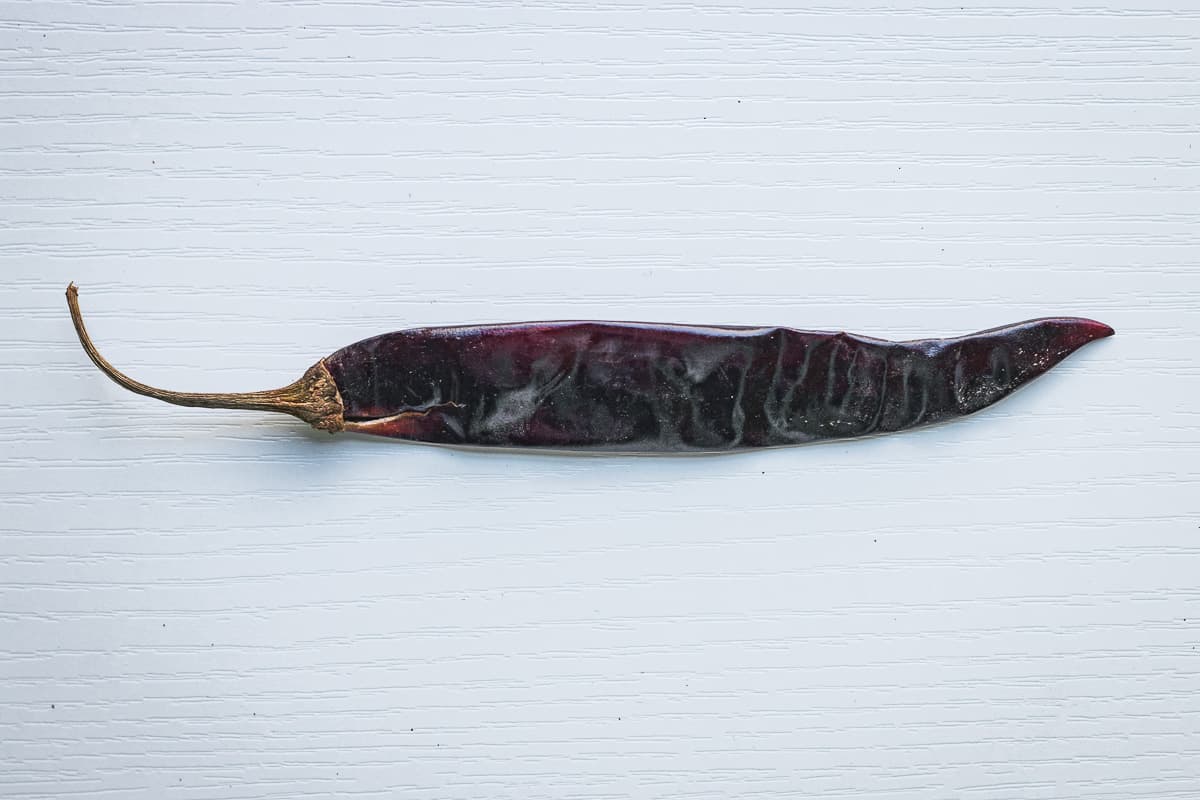
Puya pepper (Credit: Jackie Tran)

The fruity puya is similar to the guajillo, but fruitier and more intense. Blend it into salsas or add it to broths. Feel free to use it interchangeably with guajillo.

Heat rating: 5,000 – 30,000 Scoville units, tingling to intense, depending on luck of the draw.

Bola (9) Cascabel

Cascabel pepper (Credit: Jackie Tran)

You probably won’t find the fresh bola pepper in Tucson, but you might find the dried rattly cascabelThe flavor is fruity, earthy, and nutty with moderate spice. Roast them, soak them, then blend them with tomatillos and garlic for a phenomenal salsa.

Heat rating: 2,500 – 8,000 Scoville units, glow with sweat.

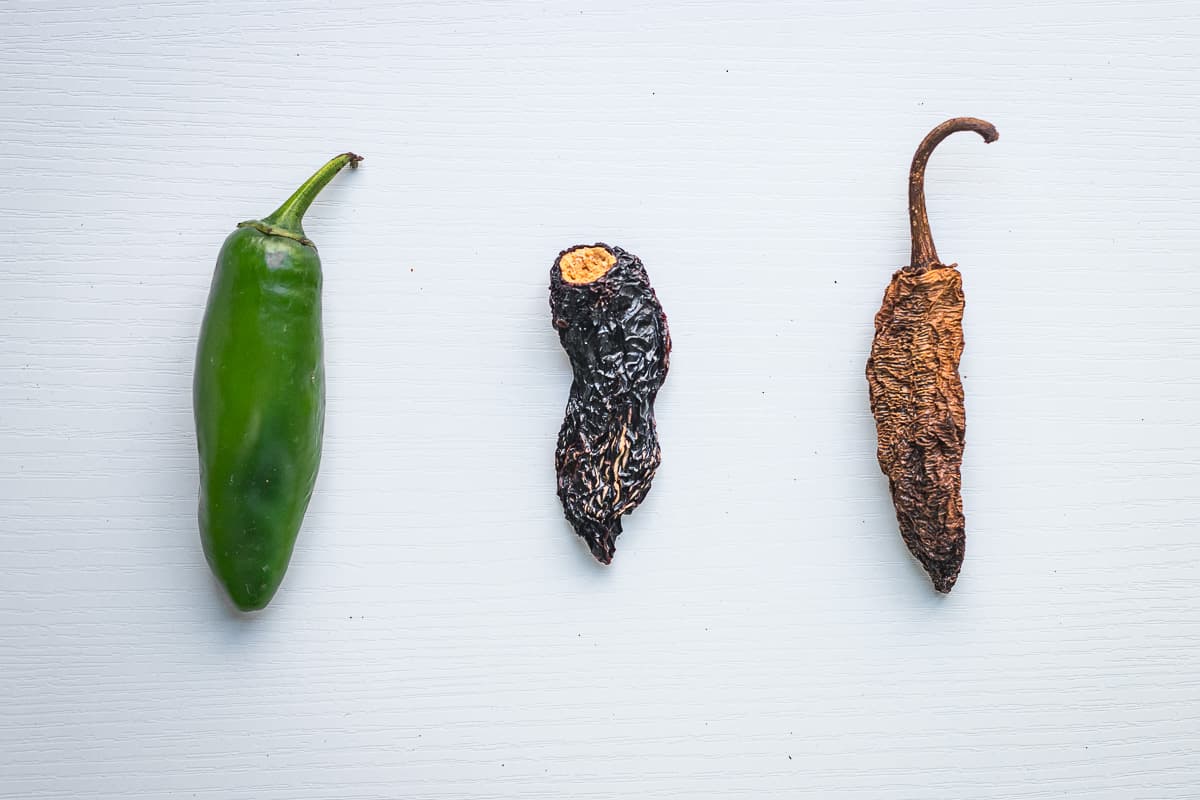
(10) Jalapeño (11) Chipotle Morita (12) Chipotle Meco

Jalapeño pepper, chipotle morita, and chipotle meco (Credit: Jackie Tran)

An American workhorse, the fresh green jalapeño needs no introduction. You’ve had them in countless salsas and eaten them whole as poppers. However, be aware that quality varies; mass-produced varieties have less flavor and spice.

Smoke a red ripe jalapeño with pecan or mesquite wood to transform it into the chipotle. The easiest way to find them is canned “en adobo,” swimming in a spiced vinegary tomato sauce. Blend it with mayonnaise for the ubiquitous chipotle mayo or use it for anything else; the sky is the limit.

You can also find it dried as the sweet, hot, still-smoky cranberry-red morita, fantastic for salsas.

Once the jalapeño is on the bush long enough to desiccate, it is harvested and smoked to become the chipotle meco. The leathery pepper looks like a cigar butt, intense with smoke flavor. Rehydrate for use in sauces or ground it into a powder to sprinkle into finished dishes.

Heat rating: 3,500 – 10,000 Scoville units, comforting until it’s tearful.

(13) Caribe/Amarillo/Guero
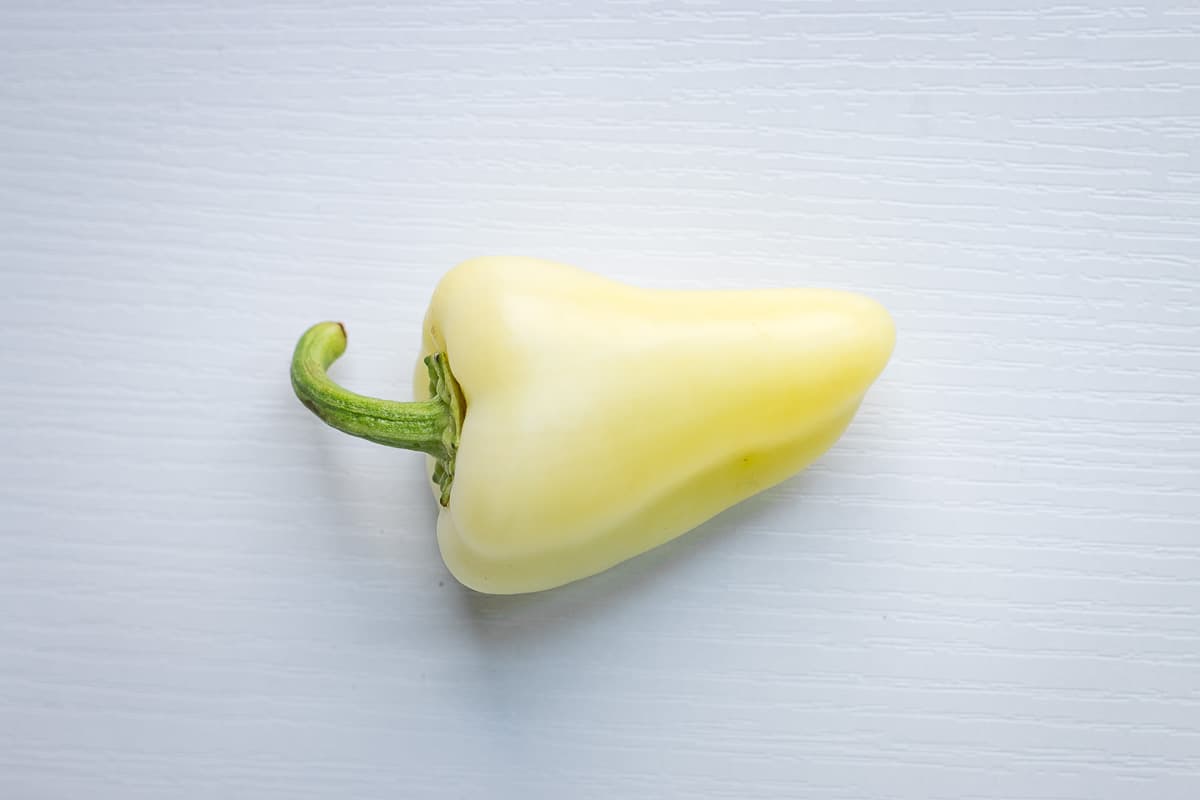
Caribe pepper, also known as an amarillo or guero pepper (Credit: Jackie Tran)

This yellow pepper goes by the name caribe, amarillo, or guero depending on who you ask. The heat level is unpredictable, so be careful.

You should recognize it as the pepper that often comes with a Sonoran hot dog, griddled and sometimes seasoned with lime and soy sauce, or stuffed with cheese and wrapped in bacon.

It also makes a fantastic salsa when blended with lime and salt.

Heat rating: 5,000 – 15,000 Scoville units, mild or madness.

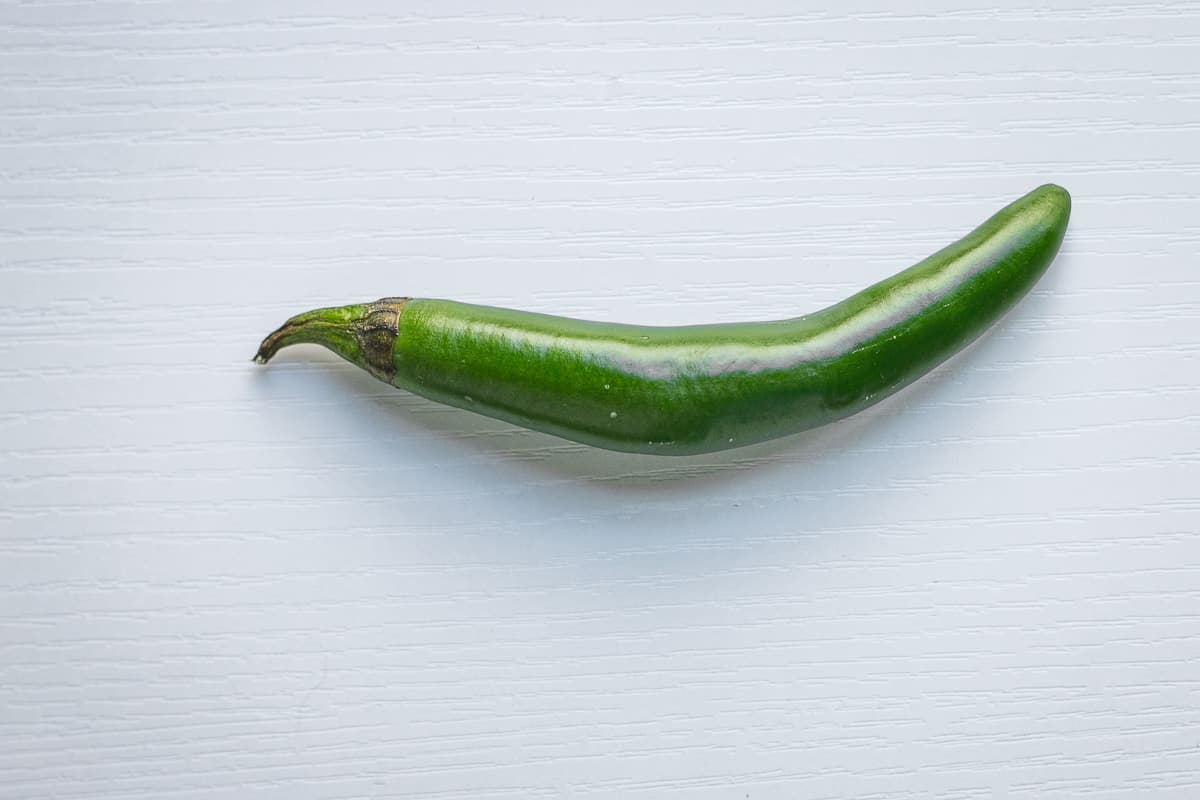
(14) Serrano Chile Seco

Serrano pepper (Credit: Jackie Tran)

The bullet-shaped serrano has similar characteristics to the jalapeño, but with tighter flesh, a grassier flavor, and more heat. It is most commonly eaten raw and used in pico de gallo.

We haven’t found the dried version (chile seco) in Tucson yet.

Heat rating: 10,000 – 23,000 Scoville units, pleasant in small amounts, but don’t take a bite out of a whole pepper.

(15) Japones/Santaka
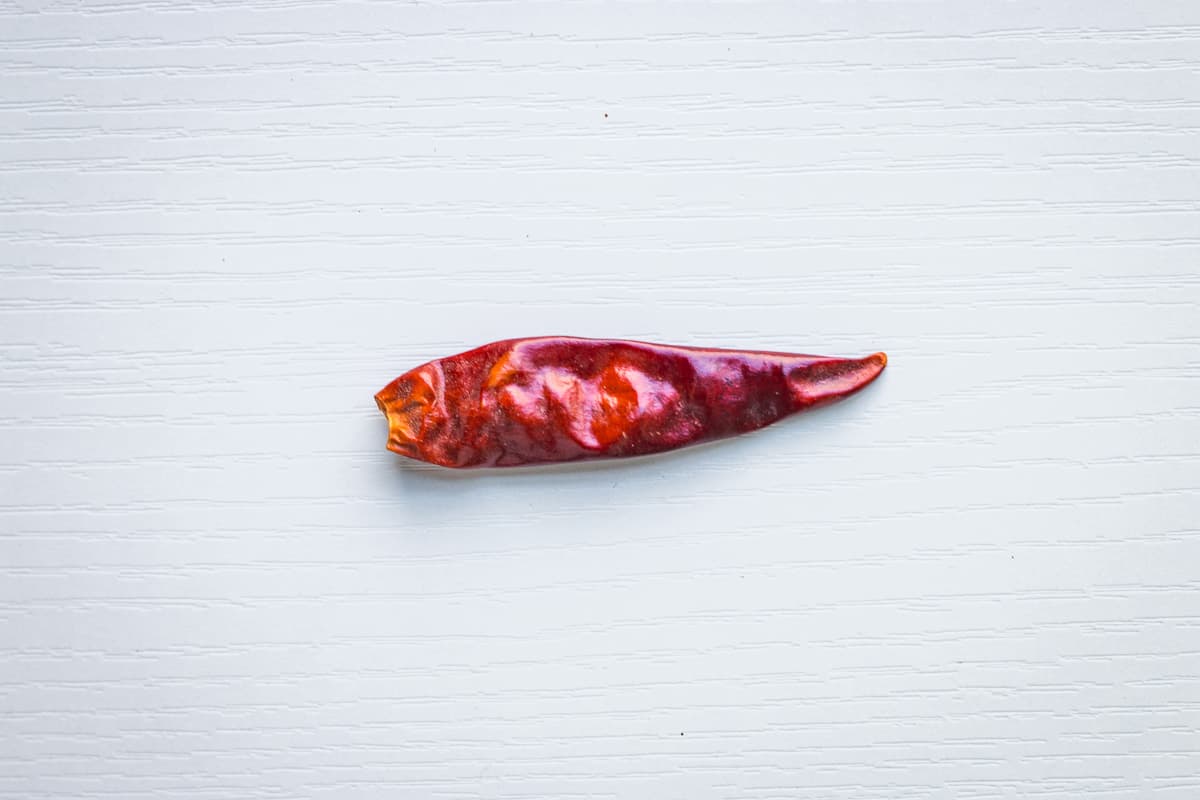
Japones (also known as Yatsufusa) pepper (Credit: Jackie Tran)

While the chiles japones (also known as the Santaka pepper) resemble the árbol, they pack slightly less of a punch.

They are often packed without stems, making them easier to work with in batches. Toss them whole into a stir fry for the spicy aroma or blend them into a potent salsa.

Heat rating: 15,000 – 30,000 Scoville units, fireworks in your mouth.

(16) Árbol
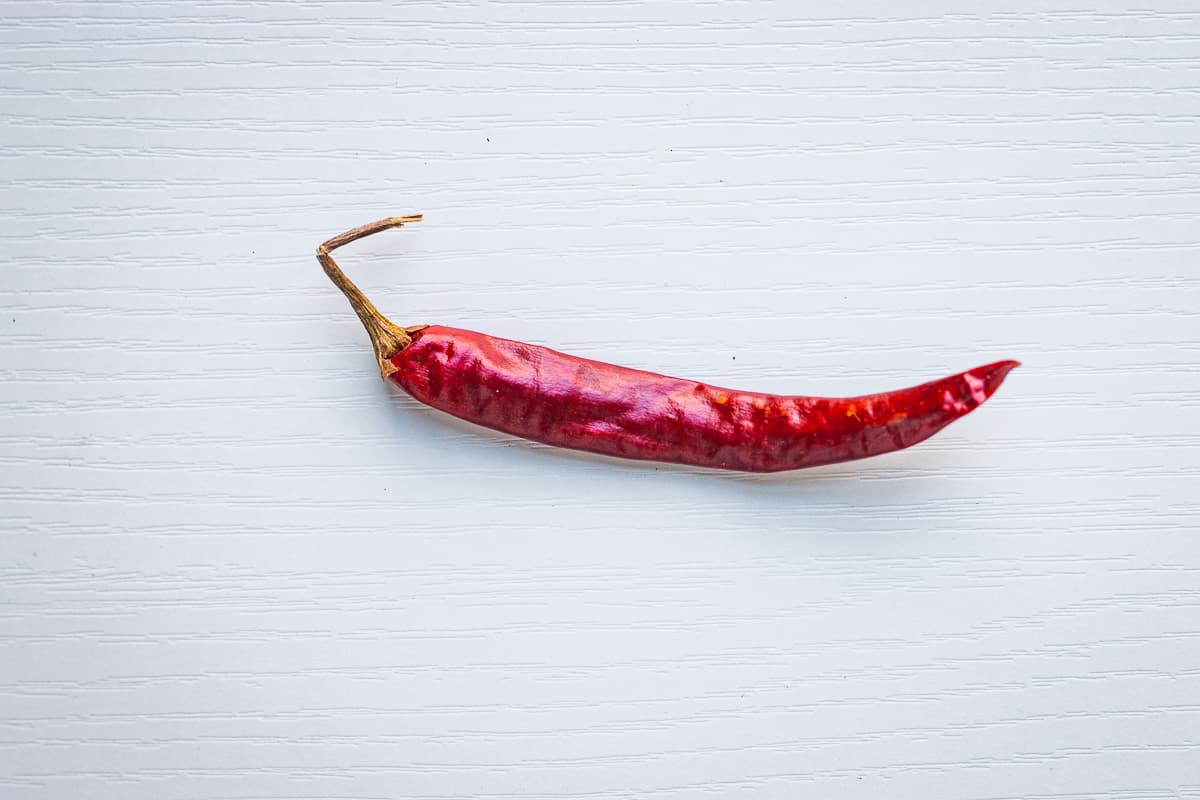
Chile de árbol (Credit: Jackie Tran)

The árbol (both fresh and dried) has a spicy, bright peanut flavor. The small size, vibrant color, and potent heat make it the workhorse of the Mexican kitchen.

If a taco stand red salsa is kicking your mouth, these are likely the culprit. Since the pepper keeps its red color even its dry form, it makes a lovely addition in a bottled vinaigrette at the table or a bottle of spicy vodka on your shelf.

Heat rating: 15,000 – 30,000 Scoville units, fireworks in your mouth.

(17) Pequin/Piquin
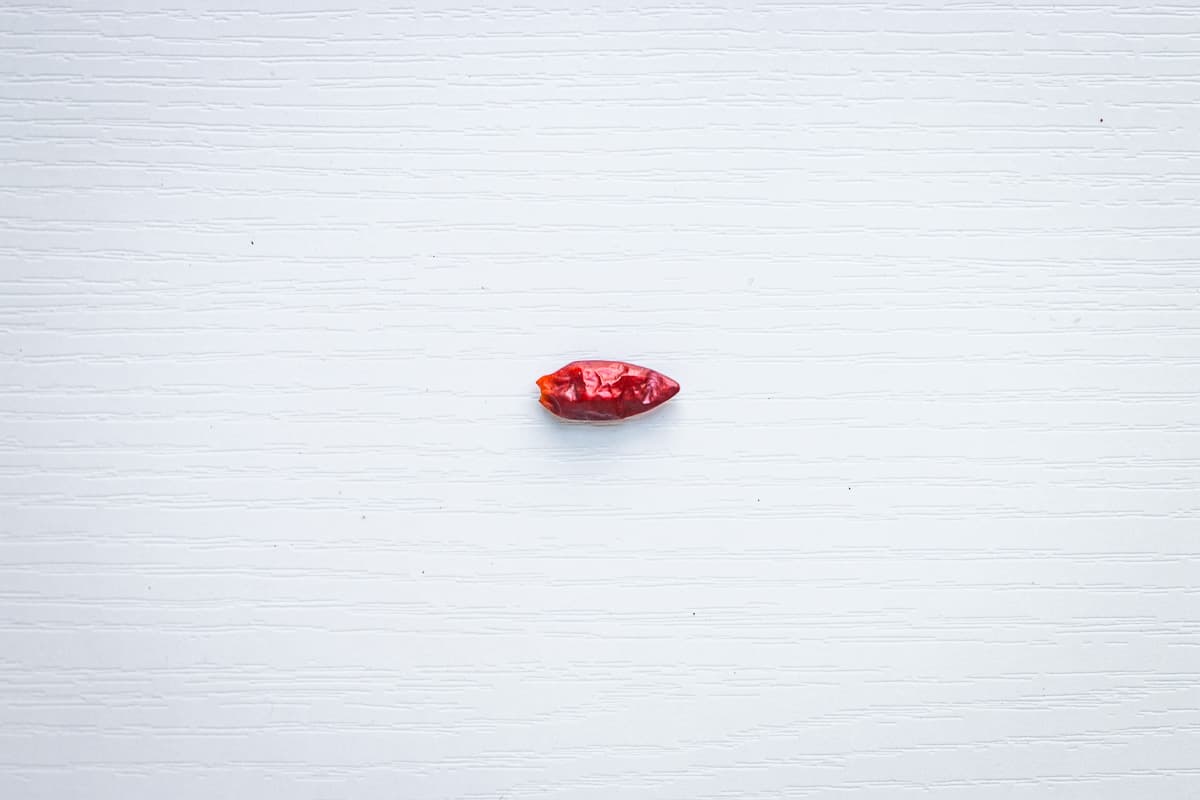
Pequin or piquin pepper (Credit: Jackie Tran)

Slightly hotter than the popular cayenne pepper, the pequin or piquin pepper is loved by birds thanks to its tiny size.

Popular hot sauce Cholula mixes árbol and pequin for its distinct fruitiness and heat. In Tucson, the pequin is overshadowed by the more potent chiltepin. However, the pequin burns lasts longer.

Heat rating: 30,000 – 60,000 Scoville units, keep a pint of ice cream on hand.

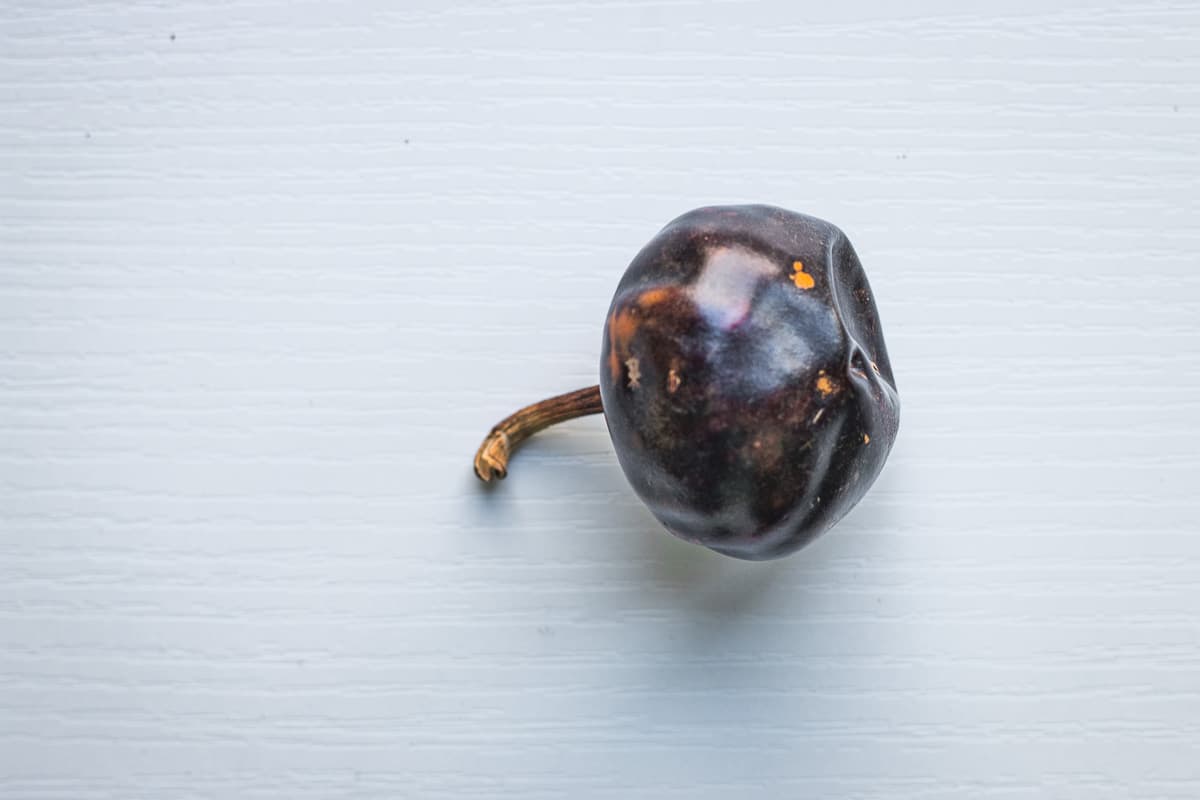
(18) Chiltepin/Chile Tepin

Chiltepin or chile tepin (Credit: Jackie Tran)

Found natively in the southwestern US and northern Mexico, the chiltepin is Tucson’s pride and joy.

The fruity and intensely piquant pepper is up front with an explosion of heat, then dissipates quickly.

Use an adorable tiny mortar and pestle to grind it into a powder that works in everything from soups to brownies. You can also crush it in your fingertips, but just don’t do it if you need to remove contact lenses later.

Heat rating: 50,000 – 100,000 Scoville units, a shinryuken in the mouth.

(19 & 20) Habanero
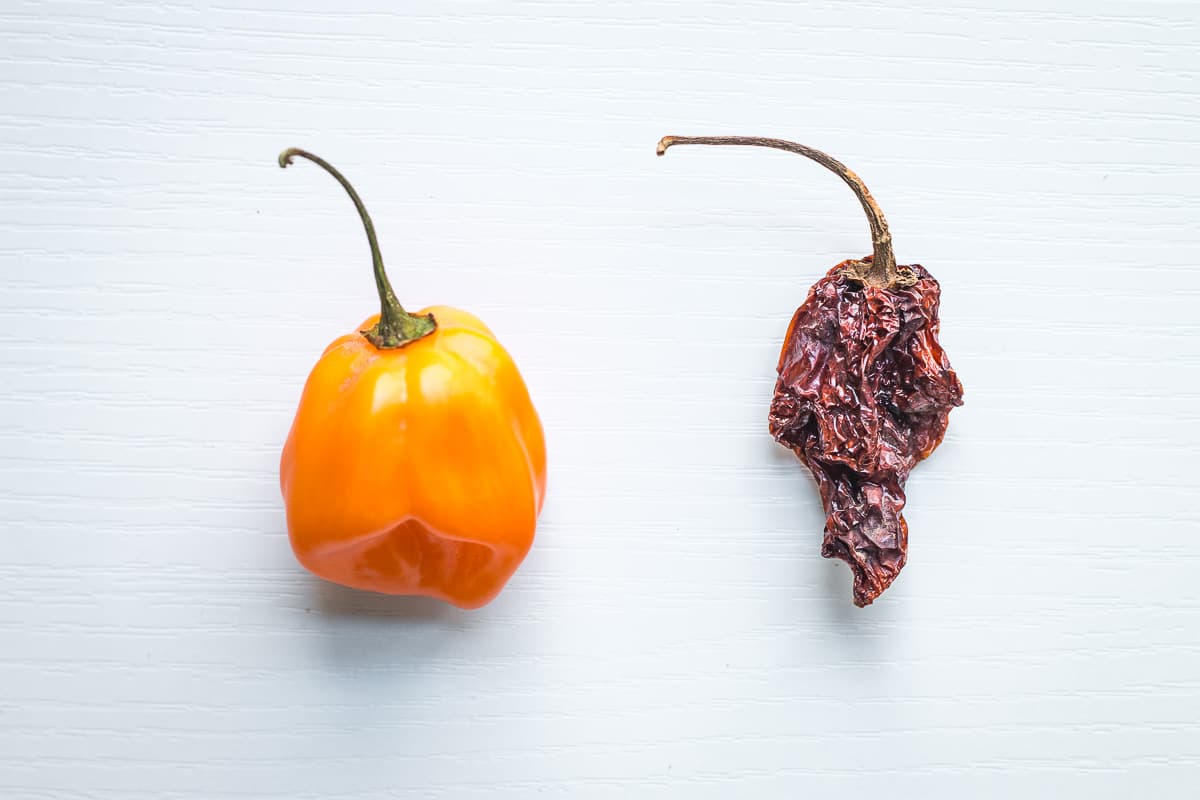
Habanero pepper and dried habanero (Credit: Jackie Tran)

Previously known as the hottest pepper in the world, the habanero also features a citrus and tropical fruit flavor.

A little bit goes a long way in sauces and marinades. It pairs beautifully with tropical dishes, such as pineapple salsas or banana-leaf wrapped cochinita pibil. It’s also fantastic pickled with red onions.

Use the dried version for a smoky broth that will clear your sinuses.

Heat rating: 100,000 – 350,000 Scoville units, you don’t have to prove anything to anyone.

Stay in the Tucson Foodie Loop

Weekly digest of new openings, events, and guides. No spam.

Advertisement

Article written by:

Jackie Tran

Jackie Tran is a Tucson-based food writer, photographer, culinary educator, and owner-chef of the now-closed food truck Tran’s Fats. Although he is best known locally for his work for Tucson Foodie, his work has also appeared in publications such as Bon Appétit, National Geographic, and the New York Times.

An adventurous foodie, he enjoys culinary experiences ranging from seasonal omakase to sloppily devouring green chili patty melts in his car afterhours. His favorite foods include aguachile, garlic noodles, and leftover fried chicken illuminated by the fridge light. His favorite drinks include morning micheladas, fireside imperial stouts, candle-lit negroni, and grassy mezcales.

Outside of food, he also loves playing musical instruments, karaoke, Tetris, Super Smash Bros. Melee, and petting Addie’s dog Spaghetti.

If you’d like to stalk him, visit his Instagram @jackie_tran_ or jackietran.com.

Advertisement

Get the Tucson Foodie app

Explore everything, build your foodie profile — and unlock the Insiders Club with perks at 100+ local spots.

Follow @TucsonFoodie on Instagram

Follow along for daily food inspiration, event updates, and behind-the-scenes looks at Tucson's culinary scene.

4.5K

posts

133.1K

followers

See More On Instagram
José Contreras, chef and owner of @Ameliastucson, is headed to New York City to cook alongside chef Alam Méndez of Washington, D.C.‘s Apapacho Taqueria for a collaborative dinner at the James Beard Foundation’s Platform at Pier 57.

The Aug. 11 dinner will celebrate the culinary traditions of Sonora and Oaxaca through a multi course menu centered on heirloom corn, traditional masa, and coastal flavors. Guests will also enjoy a cocktail reception, Mijenta Tequila pairings, and a Q&A with both chefs. The event begins at 6:30 pm at @Pier57.nyc. Tickets are $210 for dining table seats and $250 for the chef’s counter, and are available now at Jamesbeard.org.

Congratulations to @Chefjosetucson on another incredible milestone!🎉

Read @Jackie_tran_’s article on Tucsonfoodie.com

#tucsonaz #tucsonnewsJosé Contreras, chef and owner of @Ameliastucson, is headed to New York City to cook alongside chef Alam Méndez of Washington, D.C.‘s Apapacho Taqueria for a collaborative dinner at the James Beard Foundation’s Platform at Pier 57. The Aug. 11 dinner will celebrate the culinary traditions of Sonora and Oaxaca through a multi course menu centered on heirloom corn, traditional masa, and coastal flavors. Guests will also enjoy a cocktail reception, Mijenta Tequila pairings, and a Q&A with both chefs. The event begins at 6:30 pm at @Pier57.nyc. Tickets are $210 for dining table seats and $250 for the chef’s counter, and are available now at Jamesbeard.org. Congratulations to @Chefjosetucson on another incredible milestone!🎉 Read @Jackie_tran_’s article on Tucsonfoodie.com #tucsonaz #tucsonnewsItalian Week starts today, and we’re sharing this sweet video of @Spaghettioftucson doing what she did best: bringing smiles to everyone around her.

Our hearts are with her family today. We’ll love you and miss you forever, Spaghetti.❤️‍🩹🐶Italian Week starts today, and we’re sharing this sweet video of @Spaghettioftucson doing what she did best: bringing smiles to everyone around her. Our hearts are with her family today. We’ll love you and miss you forever, Spaghetti.❤️‍🩹🐶Italian Week starts today and runs through July 19 as part of 12 Weeks of Foodie Summer!🍝

Support Tucson’s classic and modern Italian restaurants, then upload your receipt at summer.tucsonfoodie.com for a chance to win weekly prizes and the grand prize at the end of August.

🎉 Week 5 Winners
• Libby: $50 North Italia gift card
• Keely: America’s Best Mexican Food Festival tickets
• arts_primacy_2c: 4 Cool Summer Nights passes
• Donita3000: $20 Ghini’s French Caffe gift card
• Nancy & Gabriella: $100 Visa gift cards

Italian Week Deal: @reneestucson is offering buy one, get one 50% off (equal or lesser value) for dine-in or takeout. Just mention you’re a Tucson Foodie fan. Exclusions apply.

🏆 This Week’s Prizes
• $50 @fentonellispizzeria gift card
• $100 Visa gift card
• $75 @carusositalian gift card
• $20 @ghinisfrenchcaffe gift card
• $50 @miramontetucson gift card
• $50 @localetucson gift card
• @desertmuseum passes 

More details in bio!Italian Week starts today and runs through July 19 as part of 12 Weeks of Foodie Summer!🍝 Support Tucson’s classic and modern Italian restaurants, then upload your receipt at summer.tucsonfoodie.com for a chance to win weekly prizes and the grand prize at the end of August. 🎉 Week 5 Winners • Libby: $50 North Italia gift card • Keely: America’s Best Mexican Food Festival tickets • arts_primacy_2c: 4 Cool Summer Nights passes • Donita3000: $20 Ghini’s French Caffe gift card • Nancy & Gabriella: $100 Visa gift cards Italian Week Deal: @reneestucson is offering buy one, get one 50% off (equal or lesser value) for dine-in or takeout. Just mention you’re a Tucson Foodie fan. Exclusions apply. 🏆 This Week’s Prizes • $50 @fentonellispizzeria gift card • $100 Visa gift card • $75 @carusositalian gift card • $20 @ghinisfrenchcaffe gift card • $50 @miramontetucson gift card • $50 @localetucson gift card • @desertmuseum passes More details in bio!The Mercado District is one of Tucson’s best places to eat, drink, shop, and stroll, all in one stop.🐶❤️

Home to Mercado San Agustín, the MSA Annex, The Monier, and the upcoming Bautista development, there’s always something new to explore. Grab a bite, browse local shops, enjoy the open-air courtyards (they’re dog-friendly!), or hop on the free Sun Link streetcar, which stops right at the Mercado. 

MERCADO SAN AGUSTÍN:
@agustinkitchen 
@seiskitchen 
@prestacoffee 
@laestrella_tucson 
@dolcepastellocakes 
@zumitosjuicebar 
@santacruzriverfm 

MSA ANNEX:
@decibelcoffeeworks 
@kukai___ 
@bosburger__ 
@hidden_hearth 
@rolliestucson 
@westbound_tapandbottle 

THE MONIER:
@wholeslvcepizza 
@81barbersofficial 

Share your favorite stops with us!
More details on Tucsonfoodie.com 

#tucson #tucsonfoodieThe Mercado District is one of Tucson’s best places to eat, drink, shop, and stroll, all in one stop.🐶❤️ Home to Mercado San Agustín, the MSA Annex, The Monier, and the upcoming Bautista development, there’s always something new to explore. Grab a bite, browse local shops, enjoy the open-air courtyards (they’re dog-friendly!), or hop on the free Sun Link streetcar, which stops right at the Mercado. MERCADO SAN AGUSTÍN: @agustinkitchen @seiskitchen @prestacoffee @laestrella_tucson @dolcepastellocakes @zumitosjuicebar @santacruzriverfm MSA ANNEX: @decibelcoffeeworks @kukai___ @bosburger__ @hidden_hearth @rolliestucson @westbound_tapandbottle THE MONIER: @wholeslvcepizza @81barbersofficial Share your favorite stops with us! More details on Tucsonfoodie.com #tucson #tucsonfoodieTwo days at @Hiltonelcon felt like the ultimate staycation. Between the pools, hot spring and cold plunge, water slide, yoga, live music, complimentary bike rentals, and their nostalgic “Summer Rewind” experience, there was always something to do. We never left the resort. 

The highlight at their on-site restaurant, Epazote Kitchen & Cocktails, was the Pollo Con Rajas - perfectly cooked chicken over a rich creamed poblano, onion, and corn mestizaje. And if you’re at their Sundance Café for breakfast, get the pozole. It’s made from a family recipe that became such a guest favorite it earned a permanent spot on the menu. 

Although El Conquistador licenses the Hilton brand, it’s owned and operated by a local company. The culinary team sources much of its meat and produce from Arizona. 

Whether you’re planning a weekend getaway or just looking for an incredible dinner with Catalina Mountain views, this spot is worth adding to your list. 🌵🌞 

#tucsonaz #tucsonfoodieTwo days at @Hiltonelcon felt like the ultimate staycation. Between the pools, hot spring and cold plunge, water slide, yoga, live music, complimentary bike rentals, and their nostalgic “Summer Rewind” experience, there was always something to do. We never left the resort. The highlight at their on-site restaurant, Epazote Kitchen & Cocktails, was the Pollo Con Rajas - perfectly cooked chicken over a rich creamed poblano, onion, and corn mestizaje. And if you’re at their Sundance Café for breakfast, get the pozole. It’s made from a family recipe that became such a guest favorite it earned a permanent spot on the menu. Although El Conquistador licenses the Hilton brand, it’s owned and operated by a local company. The culinary team sources much of its meat and produce from Arizona. Whether you’re planning a weekend getaway or just looking for an incredible dinner with Catalina Mountain views, this spot is worth adding to your list. 🌵🌞 #tucsonaz #tucsonfoodieHow many receipts have you sent in for NEW-TO-ME week?💛

From July 6 through July 12, upload your receipt from ANY local business at summer.tucsonfoodie.com for a chance to win weekly prizes and earn entries toward the 12 Weeks of Foodie Summer grand prize drawing at the end of August. 🔗 in bio. 

ANY LOCAL SPOT COUNTS. 

WEEK 6 WINNERS
Here are the winners from Happy Hour Week:
* Libby wins a $50 gift card to North Italia
* Keely wins a ticket to America’s Best Mexican Food Festival
* arts_primacy_2c wins a four-pack of passes to Cool Summer Nights at the Arizona-Sonora Desert Museum
* donita3000 wins a $20 gift card to Ghini’s French Caffe
* Nancy wins a $100 Visa gift card
* Gabriella wins a $100 Visa gift card 

PRIZES
This week’s prize pool includes:
* Salsa, Taco, and Tequila Challenge tickets
* $100 Visa gift card
* @eljefecatcafe pass
* $20 @ghinisfrenchcaffe 
* @desertmuseum passes

Presenting sponsor: @visittucson
Presented by: @bbb_so_az • @510southtucson • @azwinecollectiveHow many receipts have you sent in for NEW-TO-ME week?💛 From July 6 through July 12, upload your receipt from ANY local business at summer.tucsonfoodie.com for a chance to win weekly prizes and earn entries toward the 12 Weeks of Foodie Summer grand prize drawing at the end of August. 🔗 in bio. ANY LOCAL SPOT COUNTS. WEEK 6 WINNERS Here are the winners from Happy Hour Week: * Libby wins a $50 gift card to North Italia * Keely wins a ticket to America’s Best Mexican Food Festival * arts_primacy_2c wins a four-pack of passes to Cool Summer Nights at the Arizona-Sonora Desert Museum * donita3000 wins a $20 gift card to Ghini’s French Caffe * Nancy wins a $100 Visa gift card * Gabriella wins a $100 Visa gift card PRIZES This week’s prize pool includes: * Salsa, Taco, and Tequila Challenge tickets * $100 Visa gift card * @eljefecatcafe pass * $20 @ghinisfrenchcaffe * @desertmuseum passes Presenting sponsor: @visittucson Presented by: @bbb_so_az • @510southtucson • @azwinecollective

Tag us @TUCSONFOODIE in your food adventures!