Tucson FoodieCelebrating local food, drink, and community.
Native Edible Plants and Their Benefits

Native Edible Plants and Their Benefits

Jan 17, 20258 min read

Gracie Kayko wrote this article and it first appeared on Arizona Sonoran News.

In the northern region of the Sonoran Desert, surrounded by five mountain ranges and 350 days of sunshine, lies Tucson where native edible plants grow. 

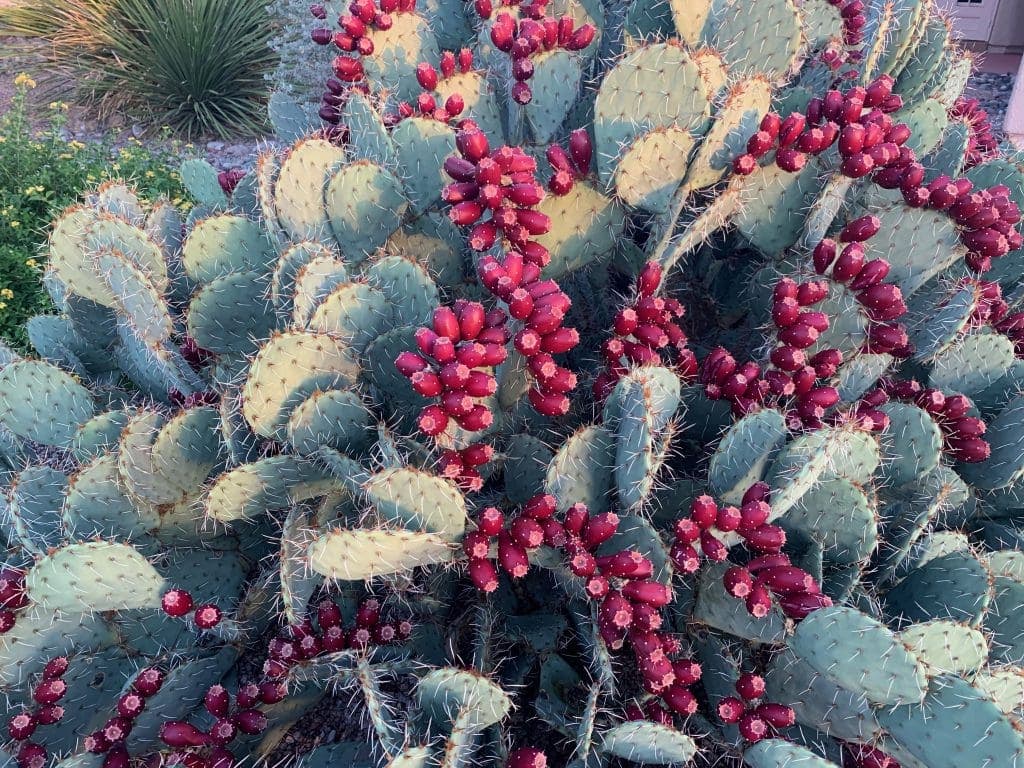
The saguaro, barrel, and nopal cacti are staples of the Sonoran Desert, pictured on almost every postcard from the Southwest. 

Going unnoticed can be the ironwood, mesquite, palo verde, and various flowers like globemallow and chuparosa, all edible and native to the Sonoran Desert. 

These plants can teach us how to live in the desert, said Julie Regalado, the education program director of Watershed Management Group

(Photo courtesy of Watershed Management Group)

Watershed Management Group is a non-profit organization that works to educate the people of Tucson on how to live a sustainable lifestyle using local watersheds. The group’s mission is to “develop community-based solutions to ensure the long-term prosperity of people and health of the environment,” according to its website

The organization received an Arizona State Forestry Community Challenge Grant in 2023 to help fund the Native Edible Tree project, which focuses on native edible education. 

Watershed Management Group educates the public about native edible foraging, cultivating, harvesting, and processing of the plants to help people understand their relationship to the Sonoran Desert land and waterways.

One of the goals of the Native Edible Tree project is to look at the possibility of re-establishing the ecosystems in which native edible plants grow.

“While we recognize that people probably won’t convert to making those native edible species the main part of their diet, we think that when they recognize and appreciate that they’re everywhere here, then they begin to reframe their relationship with the Sonoran Desert and perhaps have more appreciation and understanding of all that it offers,” Regalado said. 

Tucson was named the first UNESCO U.S. City of Gastronomy in 2015, but it is still considered a food desert in many areas. Native edible education, Regalado points out, can help alleviate the anxiety people may have while living in a food desert. The food is there and can be used the way Indigenous people of the land have been using it for thousands of years.
Manuel Barcelo, an intern with the Native Edible Tree project, explains how native edible trees can replace store-bought, processed snacks in someone’s diet.

 “I think it [native edibles] won’t completely solve the issue [food insecurity], but it’ll give people an opportunity or option when it comes to getting food and replacing snacks,” he said. “If it replaces a kid eating chips once a day and just snacking on some fruit, that’s positive.” 

Charles Rodgers, the owner of Earthcare Landscapes and co-owner of Sonora Flora Nursery, views native edible plants as a solution to food insecurity and waste. 

“They [native edible plants] grow here inherently and they are food producing at the same time,” Rodgers said. 

And when it comes to food waste with native edibles, whatever humans don’t eat, the birds will, he added. 

Foraging native edible plants out in nature takes time and practice, but it gives humans a deeper connection to the environment around them than other outdoor activities such as hiking, biking, and running, said herbalist John Slattery. In outdoor physical activities, you’re passing through nature, but with foraging, you’re really connecting with it. 

“The benefits to us are being engaged with the natural world, observing the seasons, and having some sort of active, even productive, relationship with the natural world,” Slattery said. 

Natural benefits of native edible plants

Native edible trees and plants have a bounty of benefits to the desert and the people living in it. The trees and plants native to the Sonoran Desert are accustomed to living in the dry, and sometimes unbearable, heat and require less water than non-native species. 

Tucson gets its water supply from the Colorado River, along with seven other states and Mexico. According to Sustainable Tucson, in 2023, there was a severe water shortage due to over-pumping of the river, climate change, and drought, causing the Colorado River to deplete.

But native edible plants rely on Tucson’s two monsoon seasons for their water supply, requiring less supplemental water than non-native plants.  

Regalado said she admires the work Watershed Management Group’s friends at San Xavier Co-Op Farm do to plant taparia beans and watermelons when Tucson temperatures are high.

“They plant them when it’s hot and the seeds wait, and when the monsoons come, they grow,” Regalado said. 

Most native edible trees only need supplemental water for the first one to two years after being planted. After that, when they’re established, they are able to live, grow, and flourish on their own. 
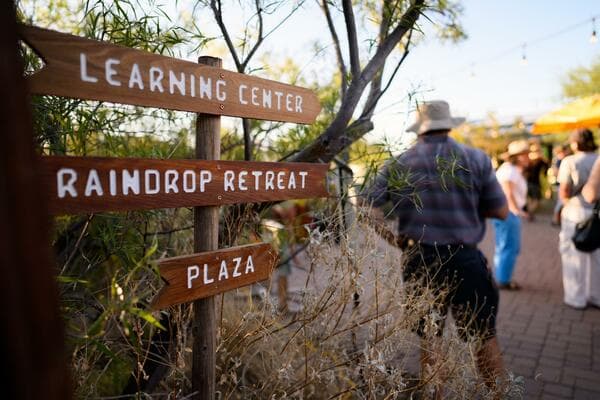
(Photo Courtesy of Watershed Management Group)

The mesquite tree, for example, is a native tree that produces edible pods on its branches. It needs to be watered for the first one to two years to become established, and after that, it’ll adapt to only using water when the monsoons come. 

The pods from the mesquite tree are harvestable in June when the beans inside make a rattling sound when shaken. The mesquite beans from the pod have a sweet flavor, but the typical way of consuming them is by making mesquite flour or broth. 

These plants also provide shade to humans and habitats for critters.

Watershed Management Group started the “Cool Our Cities 5 Degrees” mission in 2023 to help reduce the growing heat island effect caused by the pavement of roads and parking lots, buildings, and more. According to the EPA, the heat island effect in the United States boosts temperatures in urban areas by about 1–7 degrees during the day, and 2–5 degrees at night, according to the group’s fall 2023 newsletter written by  Executive Director Lisa Shipek.

The expansion of the city has contributed to an additional 5-7 degrees heat in Tucson. 

Promoting native edible trees and rain gardens is one of the ways Tucson can bring down the heat because the trees provide shade.

 “We think it’s a way to contribute both to beautifying our city, making the city more walkable by providing shade and bringing the temperatures of the city down,” Regalado said. 

When native edible plants are planted together throughout neighborhoods and the city, it becomes a habitat for native wildlife. 

Tucson is home to an array of native bees, but because of the introduction of non-native bees and plants, the bees are losing their environment. 

“Wildlife knows how to find the ecosystems that work for them; it’s survival for them,” Regalado said. 

Planting more native plants will give the wildlife back their home.

“If you give them a habitat, they’re going to take advantage of it,” Barcelo said. 

“A lot of the insects and birds and wildlife actually rely on cities now because so much of the wild space has been taken over,” Rogers said. “The more you plant the better it is to sustain the web of life actually in the urban environment.”

Building landscapes for native edible trees and plants throughout the cities can also help minimize flooding during heavy monsoon rains.  

What are the ecosystems needed for native edible plants to thrive and bring shade, reduce flooding, and create habitats for native wildlife? The answer: Rain gardens. 

Build your own rain garden

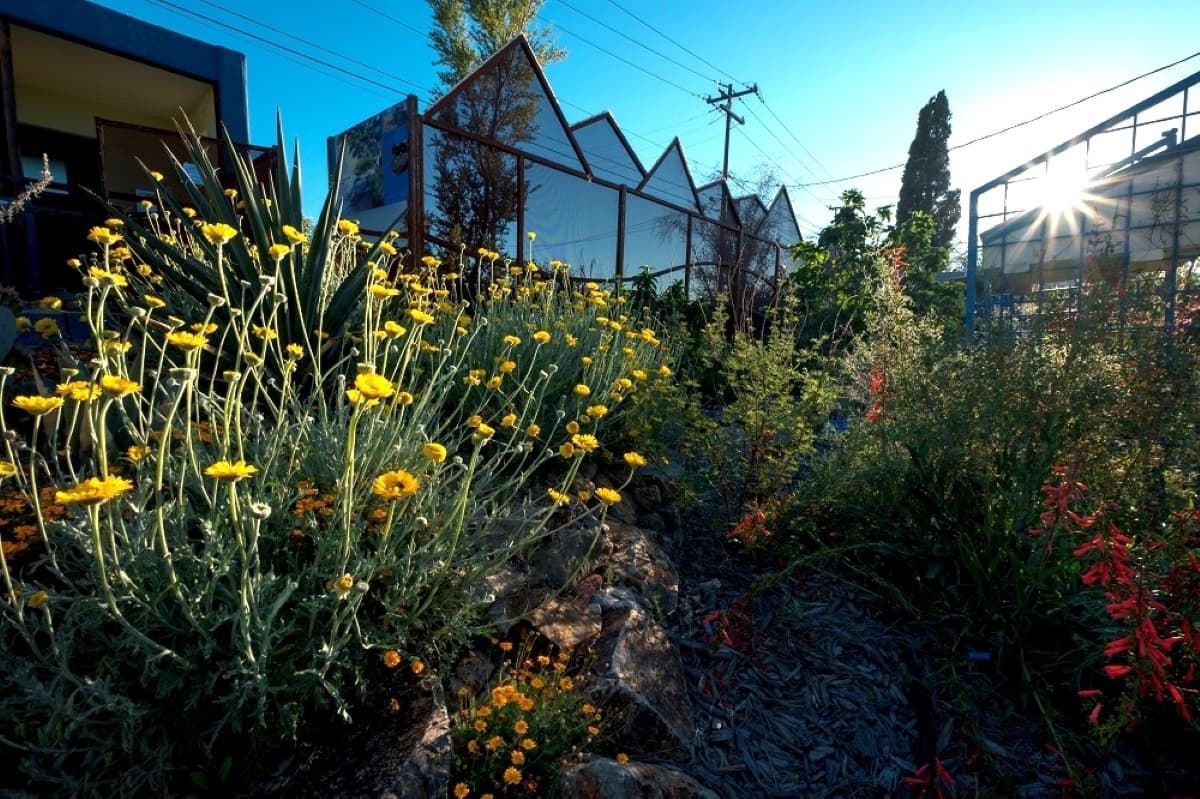
Rain gardens are environments where native edible plants thrive. They help produce shade once the trees are grown, provide a habitat for animals and insects, and help deter flooding. 

“Once you build the environment for them to succeed, like the rain gardens, it’s really cool seeing how lush they can get and there’s no supplemental water,” Barcelo said.
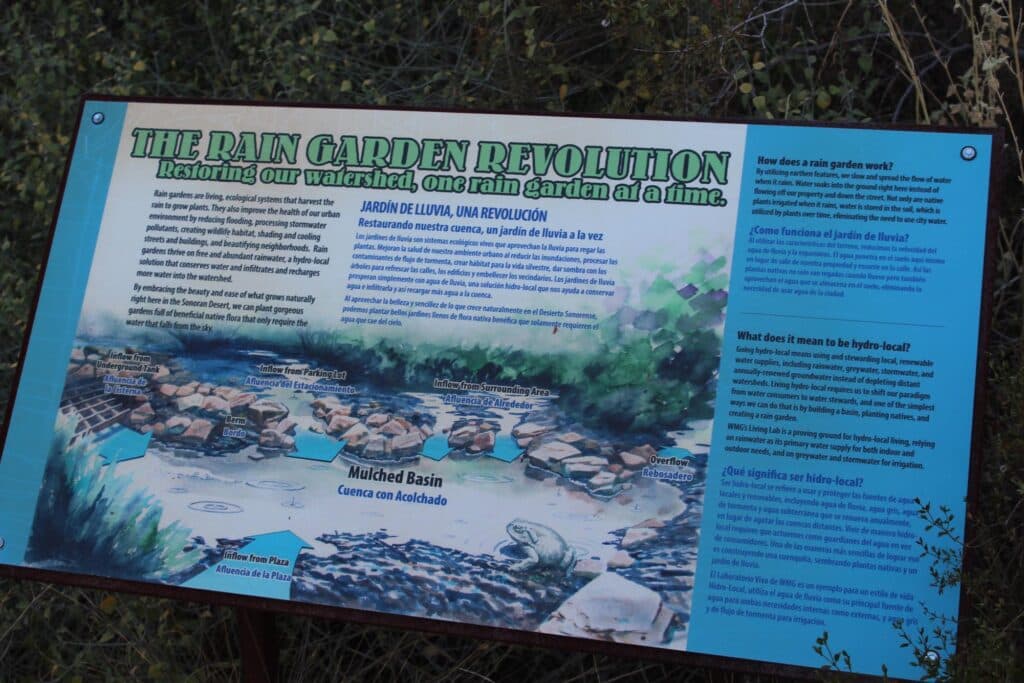
(Photo courtesy of Watershed Management Group)

Watershed Management Group held rain garden workshops at their demonstration site at 1137 N. Dodge Blvd. with money from the grant. During the workshops, Barcelo said one of the most impactful lessons was the thermometer activity, where he showed participants the difference in temperature between a surface in the sun and a surface under shade from a native edible tree. 

“People are always surprised to see how much lower the heat is in shaded areas,” he said. 

Watershed Management Group held a Native Edible Tree project event at their Living Lab Learning Center, led by Regalado on Nov. 13. Participants were taken around the demonstration site to see Watershed Management Group’s rain gardens. Regalado explained how the rain gardens are built, where different native edible plants should be planted, and how they differ across the areas of the property. 

The rain garden resembles a basin, with the center of the garden being significantly deeper than the outer edges with a 33-degree angle to the center. According to Watershed Management Group, cactus and native edible trees should be planted along the basin slope, while grasses are grown in the deepest part of the basins. 

The optimal times for planting rain gardens are March and April, and again in mid-September to November, due to the desert’s low heat and chances of frost. 

Although the grant and Native Edible Tree project is coming to a close, Watershed Management Group will always be promoting awareness about the use of native edible plants in the Sonoran Desert through their Living Lab, demonstration site, and Cultivating Native Edible class. The classes are part of the Hydrate series and are offered two to three times a year. 

For more information on rain gardens, visit watershedmg.org.  

Want to taste native food from the Sonoran Desert? Check out these Tucson restaurants:

  • Tumerico at 2526 E. Sixth St.
  • Zio Peppe at 6502 E. Tanque Verde Road
  • BATA at 35 E. Toole Ave.

Arizona Sonoran News is a news service of the University of Arizona School of Journalism. 
Stay in the Tucson Foodie Loop

Weekly digest of new openings, events, and guides. No spam.

Advertisement

Article written by:

Tucson Foodie

Tucson Foodie

More about Tucson
Tucson Foodie is Tucson's premier food and dining publication, covering the best restaurants, events, and culinary experiences in Southern Arizona.

Advertisement

Get the Tucson Foodie app

Explore everything, build your foodie profile — and unlock the Insiders Club with perks at 100+ local spots.

Follow @TucsonFoodie on Instagram

Follow along for daily food inspiration, event updates, and behind-the-scenes looks at Tucson's culinary scene.

4.5K

posts

133.1K

followers

See More On Instagram
José Contreras, chef and owner of @Ameliastucson, is headed to New York City to cook alongside chef Alam Méndez of Washington, D.C.‘s Apapacho Taqueria for a collaborative dinner at the James Beard Foundation’s Platform at Pier 57.

The Aug. 11 dinner will celebrate the culinary traditions of Sonora and Oaxaca through a multi course menu centered on heirloom corn, traditional masa, and coastal flavors. Guests will also enjoy a cocktail reception, Mijenta Tequila pairings, and a Q&A with both chefs. The event begins at 6:30 pm at @Pier57.nyc. Tickets are $210 for dining table seats and $250 for the chef’s counter, and are available now at Jamesbeard.org.

Congratulations to @Chefjosetucson on another incredible milestone!🎉

Read @Jackie_tran_’s article on Tucsonfoodie.com

#tucsonaz #tucsonnewsJosé Contreras, chef and owner of @Ameliastucson, is headed to New York City to cook alongside chef Alam Méndez of Washington, D.C.‘s Apapacho Taqueria for a collaborative dinner at the James Beard Foundation’s Platform at Pier 57. The Aug. 11 dinner will celebrate the culinary traditions of Sonora and Oaxaca through a multi course menu centered on heirloom corn, traditional masa, and coastal flavors. Guests will also enjoy a cocktail reception, Mijenta Tequila pairings, and a Q&A with both chefs. The event begins at 6:30 pm at @Pier57.nyc. Tickets are $210 for dining table seats and $250 for the chef’s counter, and are available now at Jamesbeard.org. Congratulations to @Chefjosetucson on another incredible milestone!🎉 Read @Jackie_tran_’s article on Tucsonfoodie.com #tucsonaz #tucsonnewsItalian Week starts today, and we’re sharing this sweet video of @Spaghettioftucson doing what she did best: bringing smiles to everyone around her.

Our hearts are with her family today. We’ll love you and miss you forever, Spaghetti.❤️‍🩹🐶Italian Week starts today, and we’re sharing this sweet video of @Spaghettioftucson doing what she did best: bringing smiles to everyone around her. Our hearts are with her family today. We’ll love you and miss you forever, Spaghetti.❤️‍🩹🐶Italian Week starts today and runs through July 19 as part of 12 Weeks of Foodie Summer!🍝

Support Tucson’s classic and modern Italian restaurants, then upload your receipt at summer.tucsonfoodie.com for a chance to win weekly prizes and the grand prize at the end of August.

🎉 Week 5 Winners
• Libby: $50 North Italia gift card
• Keely: America’s Best Mexican Food Festival tickets
• arts_primacy_2c: 4 Cool Summer Nights passes
• Donita3000: $20 Ghini’s French Caffe gift card
• Nancy & Gabriella: $100 Visa gift cards

Italian Week Deal: @reneestucson is offering buy one, get one 50% off (equal or lesser value) for dine-in or takeout. Just mention you’re a Tucson Foodie fan. Exclusions apply.

🏆 This Week’s Prizes
• $50 @fentonellispizzeria gift card
• $100 Visa gift card
• $75 @carusositalian gift card
• $20 @ghinisfrenchcaffe gift card
• $50 @miramontetucson gift card
• $50 @localetucson gift card
• @desertmuseum passes 

More details in bio!Italian Week starts today and runs through July 19 as part of 12 Weeks of Foodie Summer!🍝 Support Tucson’s classic and modern Italian restaurants, then upload your receipt at summer.tucsonfoodie.com for a chance to win weekly prizes and the grand prize at the end of August. 🎉 Week 5 Winners • Libby: $50 North Italia gift card • Keely: America’s Best Mexican Food Festival tickets • arts_primacy_2c: 4 Cool Summer Nights passes • Donita3000: $20 Ghini’s French Caffe gift card • Nancy & Gabriella: $100 Visa gift cards Italian Week Deal: @reneestucson is offering buy one, get one 50% off (equal or lesser value) for dine-in or takeout. Just mention you’re a Tucson Foodie fan. Exclusions apply. 🏆 This Week’s Prizes • $50 @fentonellispizzeria gift card • $100 Visa gift card • $75 @carusositalian gift card • $20 @ghinisfrenchcaffe gift card • $50 @miramontetucson gift card • $50 @localetucson gift card • @desertmuseum passes More details in bio!The Mercado District is one of Tucson’s best places to eat, drink, shop, and stroll, all in one stop.🐶❤️

Home to Mercado San Agustín, the MSA Annex, The Monier, and the upcoming Bautista development, there’s always something new to explore. Grab a bite, browse local shops, enjoy the open-air courtyards (they’re dog-friendly!), or hop on the free Sun Link streetcar, which stops right at the Mercado. 

MERCADO SAN AGUSTÍN:
@agustinkitchen 
@seiskitchen 
@prestacoffee 
@laestrella_tucson 
@dolcepastellocakes 
@zumitosjuicebar 
@santacruzriverfm 

MSA ANNEX:
@decibelcoffeeworks 
@kukai___ 
@bosburger__ 
@hidden_hearth 
@rolliestucson 
@westbound_tapandbottle 

THE MONIER:
@wholeslvcepizza 
@81barbersofficial 

Share your favorite stops with us!
More details on Tucsonfoodie.com 

#tucson #tucsonfoodieThe Mercado District is one of Tucson’s best places to eat, drink, shop, and stroll, all in one stop.🐶❤️ Home to Mercado San Agustín, the MSA Annex, The Monier, and the upcoming Bautista development, there’s always something new to explore. Grab a bite, browse local shops, enjoy the open-air courtyards (they’re dog-friendly!), or hop on the free Sun Link streetcar, which stops right at the Mercado. MERCADO SAN AGUSTÍN: @agustinkitchen @seiskitchen @prestacoffee @laestrella_tucson @dolcepastellocakes @zumitosjuicebar @santacruzriverfm MSA ANNEX: @decibelcoffeeworks @kukai___ @bosburger__ @hidden_hearth @rolliestucson @westbound_tapandbottle THE MONIER: @wholeslvcepizza @81barbersofficial Share your favorite stops with us! More details on Tucsonfoodie.com #tucson #tucsonfoodieTwo days at @Hiltonelcon felt like the ultimate staycation. Between the pools, hot spring and cold plunge, water slide, yoga, live music, complimentary bike rentals, and their nostalgic “Summer Rewind” experience, there was always something to do. We never left the resort. 

The highlight at their on-site restaurant, Epazote Kitchen & Cocktails, was the Pollo Con Rajas - perfectly cooked chicken over a rich creamed poblano, onion, and corn mestizaje. And if you’re at their Sundance Café for breakfast, get the pozole. It’s made from a family recipe that became such a guest favorite it earned a permanent spot on the menu. 

Although El Conquistador licenses the Hilton brand, it’s owned and operated by a local company. The culinary team sources much of its meat and produce from Arizona. 

Whether you’re planning a weekend getaway or just looking for an incredible dinner with Catalina Mountain views, this spot is worth adding to your list. 🌵🌞 

#tucsonaz #tucsonfoodieTwo days at @Hiltonelcon felt like the ultimate staycation. Between the pools, hot spring and cold plunge, water slide, yoga, live music, complimentary bike rentals, and their nostalgic “Summer Rewind” experience, there was always something to do. We never left the resort. The highlight at their on-site restaurant, Epazote Kitchen & Cocktails, was the Pollo Con Rajas - perfectly cooked chicken over a rich creamed poblano, onion, and corn mestizaje. And if you’re at their Sundance Café for breakfast, get the pozole. It’s made from a family recipe that became such a guest favorite it earned a permanent spot on the menu. Although El Conquistador licenses the Hilton brand, it’s owned and operated by a local company. The culinary team sources much of its meat and produce from Arizona. Whether you’re planning a weekend getaway or just looking for an incredible dinner with Catalina Mountain views, this spot is worth adding to your list. 🌵🌞 #tucsonaz #tucsonfoodieHow many receipts have you sent in for NEW-TO-ME week?💛

From July 6 through July 12, upload your receipt from ANY local business at summer.tucsonfoodie.com for a chance to win weekly prizes and earn entries toward the 12 Weeks of Foodie Summer grand prize drawing at the end of August. 🔗 in bio. 

ANY LOCAL SPOT COUNTS. 

WEEK 6 WINNERS
Here are the winners from Happy Hour Week:
* Libby wins a $50 gift card to North Italia
* Keely wins a ticket to America’s Best Mexican Food Festival
* arts_primacy_2c wins a four-pack of passes to Cool Summer Nights at the Arizona-Sonora Desert Museum
* donita3000 wins a $20 gift card to Ghini’s French Caffe
* Nancy wins a $100 Visa gift card
* Gabriella wins a $100 Visa gift card 

PRIZES
This week’s prize pool includes:
* Salsa, Taco, and Tequila Challenge tickets
* $100 Visa gift card
* @eljefecatcafe pass
* $20 @ghinisfrenchcaffe 
* @desertmuseum passes

Presenting sponsor: @visittucson
Presented by: @bbb_so_az • @510southtucson • @azwinecollectiveHow many receipts have you sent in for NEW-TO-ME week?💛 From July 6 through July 12, upload your receipt from ANY local business at summer.tucsonfoodie.com for a chance to win weekly prizes and earn entries toward the 12 Weeks of Foodie Summer grand prize drawing at the end of August. 🔗 in bio. ANY LOCAL SPOT COUNTS. WEEK 6 WINNERS Here are the winners from Happy Hour Week: * Libby wins a $50 gift card to North Italia * Keely wins a ticket to America’s Best Mexican Food Festival * arts_primacy_2c wins a four-pack of passes to Cool Summer Nights at the Arizona-Sonora Desert Museum * donita3000 wins a $20 gift card to Ghini’s French Caffe * Nancy wins a $100 Visa gift card * Gabriella wins a $100 Visa gift card PRIZES This week’s prize pool includes: * Salsa, Taco, and Tequila Challenge tickets * $100 Visa gift card * @eljefecatcafe pass * $20 @ghinisfrenchcaffe * @desertmuseum passes Presenting sponsor: @visittucson Presented by: @bbb_so_az • @510southtucson • @azwinecollective

Tag us @TUCSONFOODIE in your food adventures!