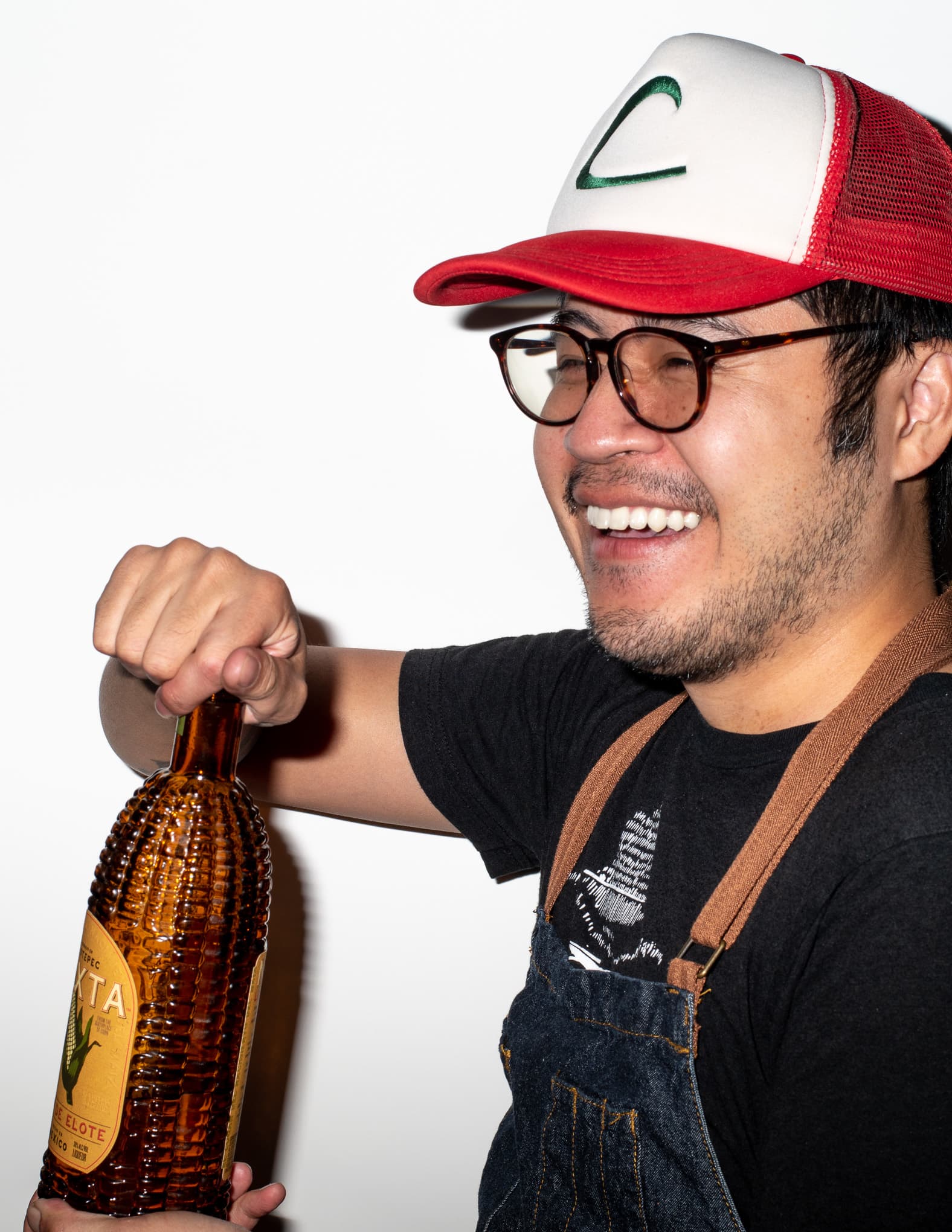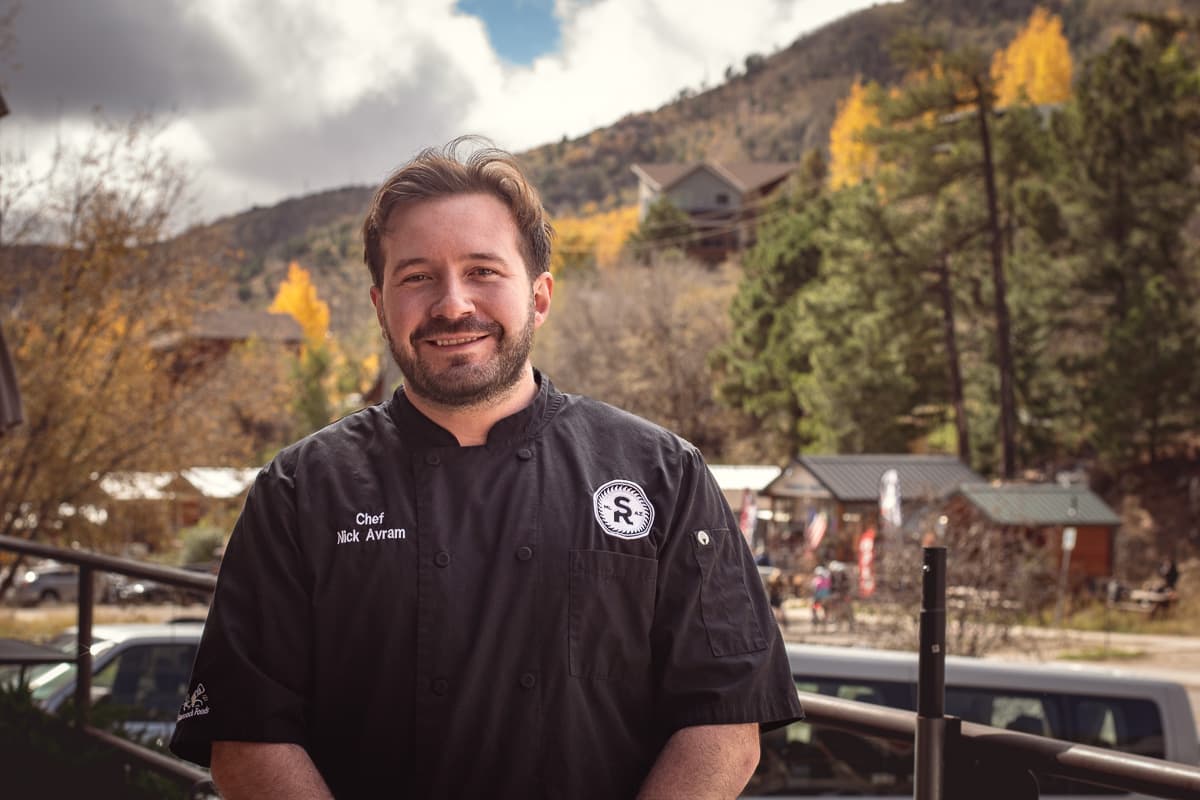

Nickolas "Nick" Avram started at Sawmill Run Restaurant at age 15, washing dishes. Today, he serves as the executive chef and owner of the Summerhaven restaurant, which sits at about 8,000 feet on Mount Lemmon. His family has deep ties to the mountain, and his great-grandfather Tony helped build the restaurant.
Avram moved from prep to the line to full-time cooking within two years. At 20, he took over running the restaurant, steering the menu toward a "Mountain Sonoran" style.
Beyond Sawmill Run, Avram also runs Elevated Espresso, Colossal Cones, and The Pack’s Snacks. Recently, he won the Fired Up Chef Competition at the Shamrock Food Expo. In this Q&A, he discusses water restrictions, highway closures, favorite cookbooks, local sourcing, and plans for fall events.
Q&A with Nick Avram
How would you describe your cooking style? How has your extensive baking background come into play?
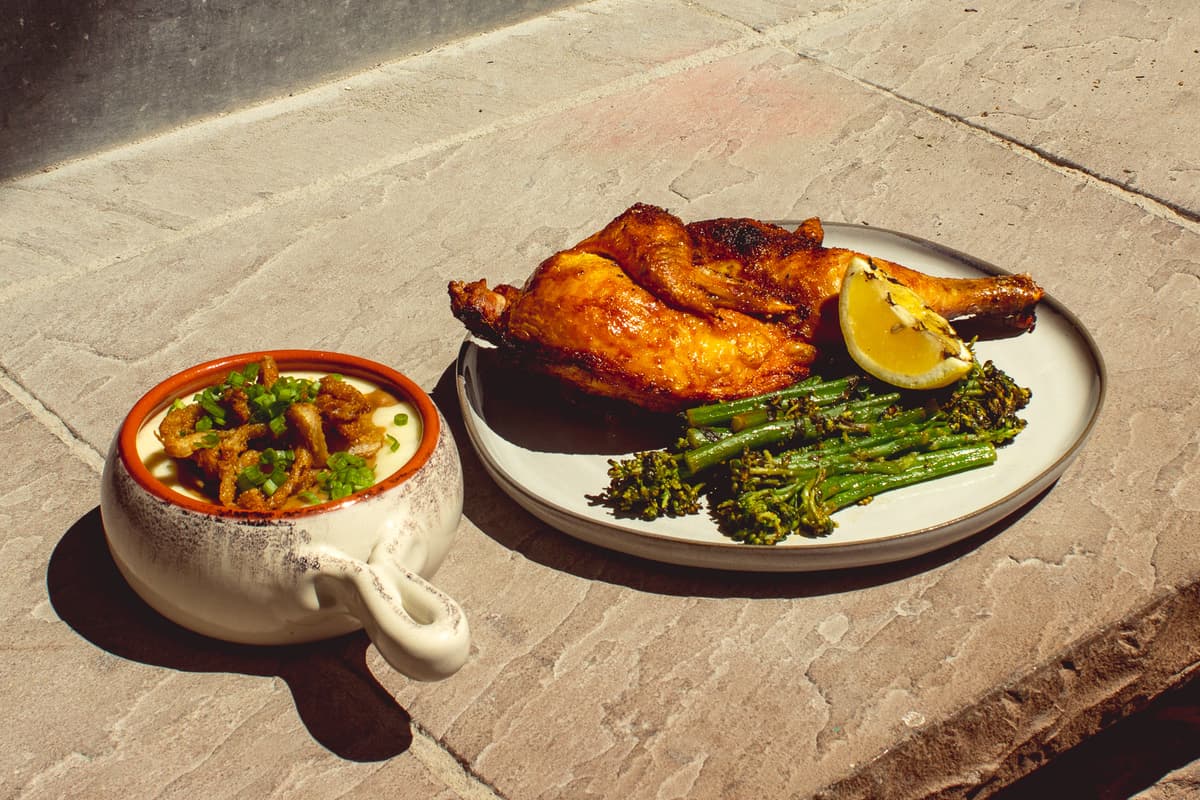
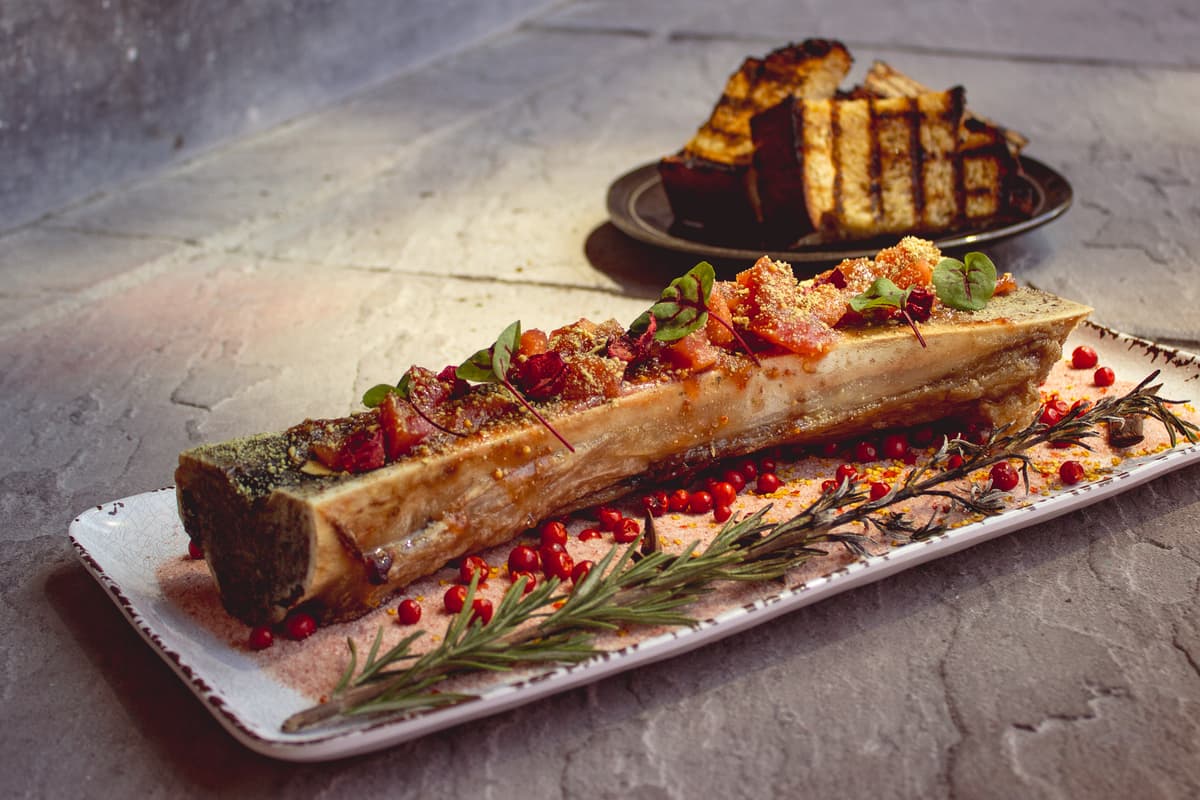
I’d describe my cooking right now as modern American with some Sonoran influence. I’m still refining what I want the food at Sawmill to become, but I’m really trying to push it more toward a Mountain Sonoran style.
I’ve done a lot of baking over the years, especially pies and strudels, so that has definitely shaped the way I cook and think about technique. Pastry is also an area where I’m trying to expand my knowledge and get a lot stronger.
You started washing dishes at Sawmill Run at age 15. How did you progress to becoming the executive chef?
When I started washing dishes at 15, I really didn’t have much thought about doing anything more at the restaurant. That first summer I mostly just washed dishes, and I got pretty good at it.
The chef at the time, John Segerstrom, would run dinner specials on the weekends. He didn’t have a lot of resources to work with, but he still put out some really nice dishes, and that was probably the first time I started paying attention to the cooking side of things. Before he left, he taught me a few basic skills and gave me a little bit of a foundation.
From there I moved into prep, then onto the line, and by my second year I was cooking full time. At that point I had become a pretty solid line cook, but I still didn’t really know what it meant to be a chef or run a business.
When I was 20, our general manager and kitchen manager left without notice. My grandparents didn’t have a lot of options at the time, so they gave me a chance to try running the restaurant. I didn’t have formal training or much management experience, but I picked things up pretty quickly.
Once I had more creative freedom, I really started teaching myself. I learned from cookbooks, cooking shows, YouTube, and just constantly trying new things in the kitchen. That’s still a big part of how I learn today.
Your great-grandfather Tony helped build this restaurant. How do you honor that family history in your kitchen today?
My family has a ton of history on Mount Lemmon. My great-grandpa, grandpa, and grandma have all been a big part of the mountain over the years.
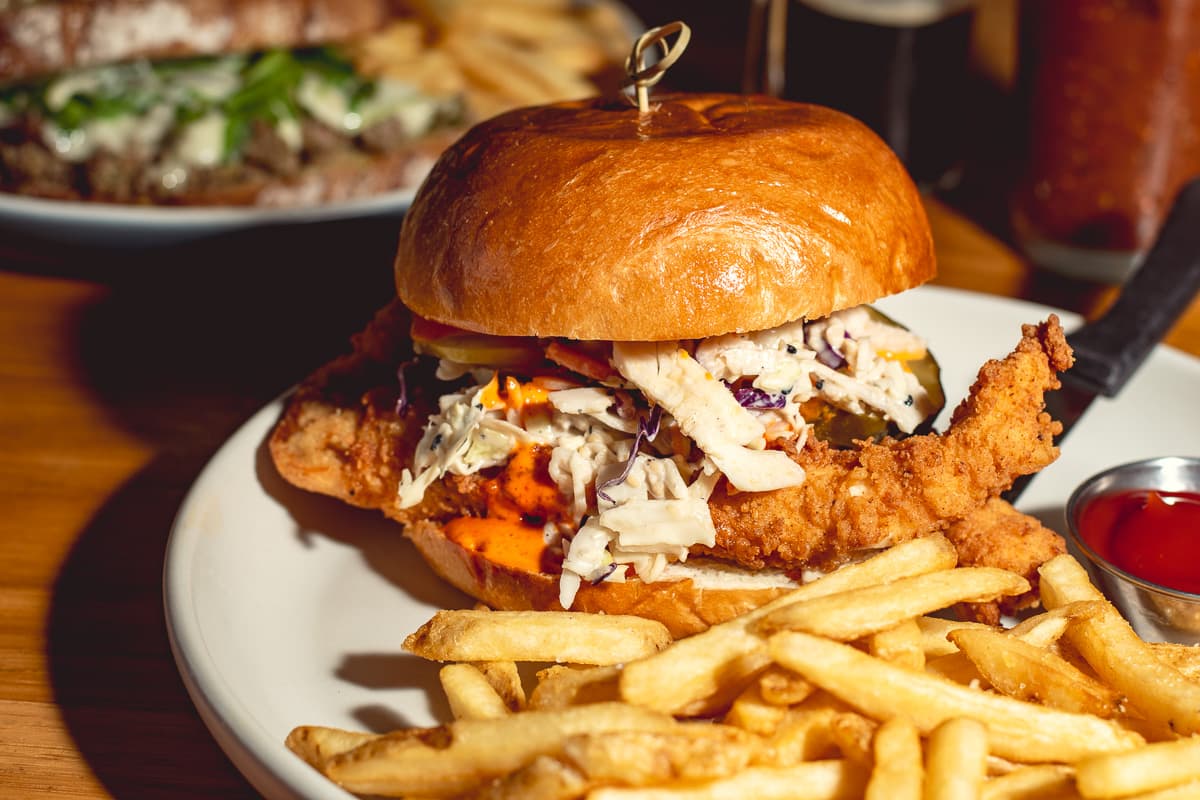
My grandpa especially cared a lot about the community and wanted Sawmill to be a place where people on the mountain could come in, hang out, and feel welcome. He was really proud that it was a family-owned business and that we were known as a good restaurant. Bob’s Burger on our menu is actually named after him because he was always a big fan of green chile burgers.
For me, the best way to honor my family and the history of the mountain is to keep trying to make Sawmill a great restaurant and constantly improve what we’re doing. With our location and the limited competition up here, we could probably buy a bunch of premade food, operate almost like fast food, and still survive. But that’s never been how we’ve wanted to do things.
I want us to put in the effort, cook real food, keep getting better, and give people a reason to come up the mountain specifically to eat here.
Sawmill Run operates at 8,000 feet. Specifically, what logistical challenges do you face running a scratch kitchen in Summerhaven?
Our location is a huge advantage, but it also comes with some pretty serious challenges.
The last few summers we’ve dealt with Stage 3 water restrictions during our busiest season, which greatly limits how much water we can use. That means sometimes I’m thinking less about what goes on the plate and more about what we’re actually going to serve it on.
The easiest solution is switching to paper trays and plastic silverware. It saves a lot of water, but the tradeoff is that the presentation isn’t as nice, we create more waste, and we spend a lot more on paper goods and trash.
Winter brings a completely different set of problems. When it snows, the sheriff’s department can close the highway, and it’s really hard to predict when it’s going to reopen. Some days it might open at 10 in the morning, while other days it might not open until 1 or 2 in the afternoon.
There have been times when we’ve decided not to send staff up because the road was closed, only for it to open early. Other times we’ve sent everyone up, including myself, and the road never opens and the whole day becomes a loss.
Traffic accidents can also shut down the highway for hours. On a busy weekend, something completely outside of our control like that can cost us thousands of dollars in sales. Running a restaurant anywhere has challenges, but being on top of a mountain adds a lot of things you just don’t have to think about at a restaurant in town.
What cookbooks do you refer to the most often?
Some of the cookbooks I go back to the most are The Flavor Bible and Modern Southwest Cooking by Ryan Clark.
I also really like the Alinea cookbook. A lot of it is pretty advanced, but it’s great for inspiration, especially when it comes to presentation, techniques, and unusual flavor combinations.
With how much driving I do, I also listen to a lot of audiobooks. They’re not really cookbooks, but The Devil in the Kitchen, Fireproof, and Life, on the Line are some of my favorite books in general.
You partner with local farms like Pivot Produce. How does this sourcing shape your seasonal menu changes?
Working with Pivot Produce has been great because it gives us a chance to experiment with a lot of different ingredients throughout the year.
We try to keep the seasonal menu as fresh as we can, so working with them helps us see what’s really at its best during each season. In the summer we played around with a lot of different melon dishes, and now that we’re into fall we’ve been using more peppers, squash, and other ingredients that make sense for the season.
It keeps the menu changing and gives us a reason to keep trying new things.
What is the tastiest or most memorable dish you’ve eaten?
The most memorable food item I’ve had is probably a little cliché, but it was the edible balloon at Alinea.
I already understood the idea that food can be about more than just taste, but actually seeing it come into the dining room and watching everyone interact with it was completely different. Experiencing it in person really showed me how powerful presentation and the overall experience can be, and how much those things can add to what you’re eating.
Do you have a favorite food city?
The only city I’ve really traveled to specifically for food was Chicago last winter. I was very fortunate to experience Ever, Alinea, and Smyth, along with some great local coffee shops.
It also happened to be the coldest week of the year, which I definitely wasn’t used to, but getting to experience restaurants at that level was pretty mind-blowing. So I’d probably have to say Chicago.
I’ve also had some really great food in Phoenix. Cafe Monarch, Filthy Animal, Wren & Wolf, and Cleaverman have all been places I’ve really enjoyed.
What Tucson restaurants do you eat at the most often, aside from your own?
I don’t get out a ton, but there are a few places I go to pretty regularly.
Le Buzz is a great stop on the way up the mountain, and Barnyard is another restaurant I like on that side of town. Out in Vail, Toro Bravo recently opened and has been really good, and Vail Coffee is another place I like because they’re always doing different seasonal specials.
Is there a particular moment or achievement in your career so far that you’re especially proud of?
Most recently, winning the Fired Up Chef Competition at the Shamrock Food Expo was really cool. It was a great competition and definitely one of the moments I’m most proud of.
This past year was also the first time we really started going down into Tucson and entering more competitions, like the World Margarita Championship and the Tacos, Salsa & Tequila Challenge.
Getting out there, competing, and placing was a lot of fun, and I’m really looking forward to doing more of it this season now that we have a little more experience.
How does your chef experience affect how you operate your coffee shop Elevated Espresso, ice cream trailer Colossal Cones, and dog treat company The Pack’s Snacks?
A lot of what I’ve learned running a kitchen carries over into the other businesses. You get used to thinking about consistency, food cost, waste, speed, cleanliness, and how to make something that people actually want to come back for.
Even though coffee, ice cream, and dog treats are all completely different, the basics of running a food business are pretty similar.
I also think being a chef makes me want to keep creating instead of just selling the same thing all the time. Whether it’s seasonal coffee specials, new ice cream ideas, or different treats for The Pack’s Snacks, I’m always thinking about what we can improve or what we can try next.
As we approach colder weather, how are you motivating locals to drive up the mountain aside from snow?
I think the biggest thing is giving people a reason to make the drive even when there isn’t snow.
As things slow down, we can put more focus into special dinners, seasonal menus, and dishes that people aren’t going to find everywhere else.
I want the food itself to become part of the reason people come up the mountain. If we keep pushing the menu, doing more specials, and creating experiences that feel worth the trip, hopefully people start thinking of Mount Lemmon as more than just a place to go when it snows.
What upcoming events should local diners look forward to seeing you participate in or host?
We just did our first event with the Tucson City of Gastronomy, and we’re hoping to do more with them soon. We’ll also be back at SAVOR this year, and we definitely want to keep getting Sawmill involved in as many events around Tucson as we can.
At the restaurant, we’re planning a couple of Thanksgiving-style dinners in November, along with some different holiday events in December.
We’ve had a lot of fun doing more special dinners and events this year, so that’s something we want to keep building on.