
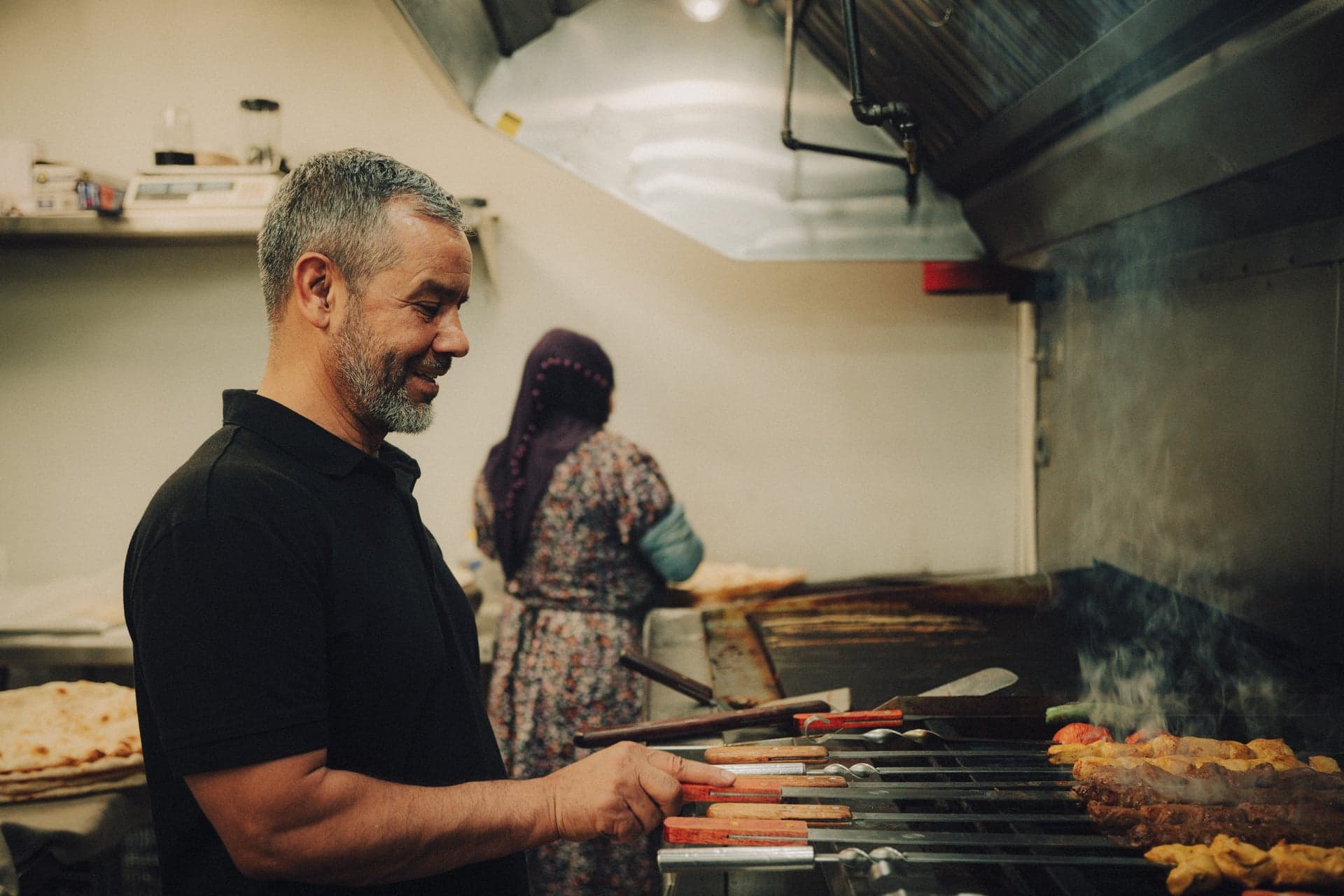

The exterior looks like almost any strip mall in Tucson, with weathered sidewalks, a nondescript storefront, and Kabul Corner printed a red vinyl banner that hangs over the previous store’s sign. Drive past too fast and you'll miss it, but step inside and the familiar smells of hot asphalt and desert air are replaced with toasted cumin, bright coriander, and slow-roasted meat.
My first experience with Afghanistan’s national dish, Qabuli Palow, felt archeological in both its depth of history and how the dish unfolds during the meal. A mountain of long-grain basmati rice rose from the plate, tinted amber with spices and crowned with glistening carrots and steamed raisins. Digging into the mound of rice revealed the prize: a whole lamb shank so tender the meat slipped from the bone before it could be fully excavated.
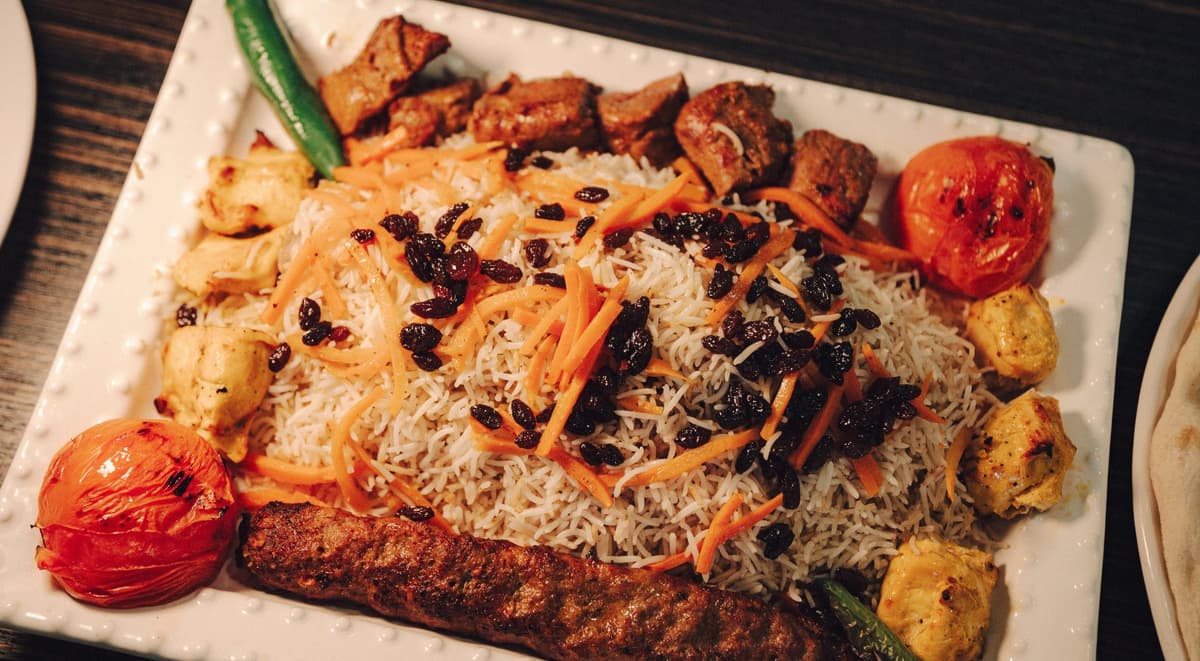
"It has a really nice, sweet and savory taste," said co-founder Ritiek Rafi. "And the smell of the spices we use is amazing."
Opened in September 2023, Kabul Corner operates as Tucson’s sole Afghan restaurant, bringing traditional Afghan food to the city and providing a gathering place and livelihood for Tucson’s Afghan community.
Sanctuary Born from Crisis
Following the fall of Kabul in August 2021, Tucson became a haven for families fleeing the Taliban. More than 3,800 Afghan refugees have settled in Arizona since 2021 (more than the previous 40 years combined), with roughly 1,000 of them making their home in Tucson. This influx of refugees prompted Ritiek Rafi to co-found the Tucson Afghan Community non-profit. Having arrived in Tucson from Afghanistan as a refugee herself during the first Taliban takeover in 1999, she sympathized with the many challenges the new arrivals faced.
"When I came in 1999, before 9/11, it was the first time Afghanistan was taken by the Taliban," Rafi recalled. "Some people didn't know how Afghans were living... They thought basically all Muslims or all Afghans were terrorists. They didn't know that we were victims too." Rafi didn’t choose silence or resentment, but instead took it upon herself to meet ignorance with knowledge. “I am the kind of person that wants to give information instead of being quiet... whoever was approaching me with that kind of ideology, I would educate them.”
With Rafi in charge, the Tucson Afghan Community stepped in to help this new wave of families secure housing, learn English, and find jobs. Rafi and the community naturally developed the idea for an Afghan restaurant kitchen as a way to offer immediate employment while preserving a taste of home.
“I came here to Tucson as a refugee twenty-seven years ago from Afghanistan,” Rafi explained, “and we always wanted to have an Afghan restaurant in Tucson. That was the dream of a lot of the Afghans here.”
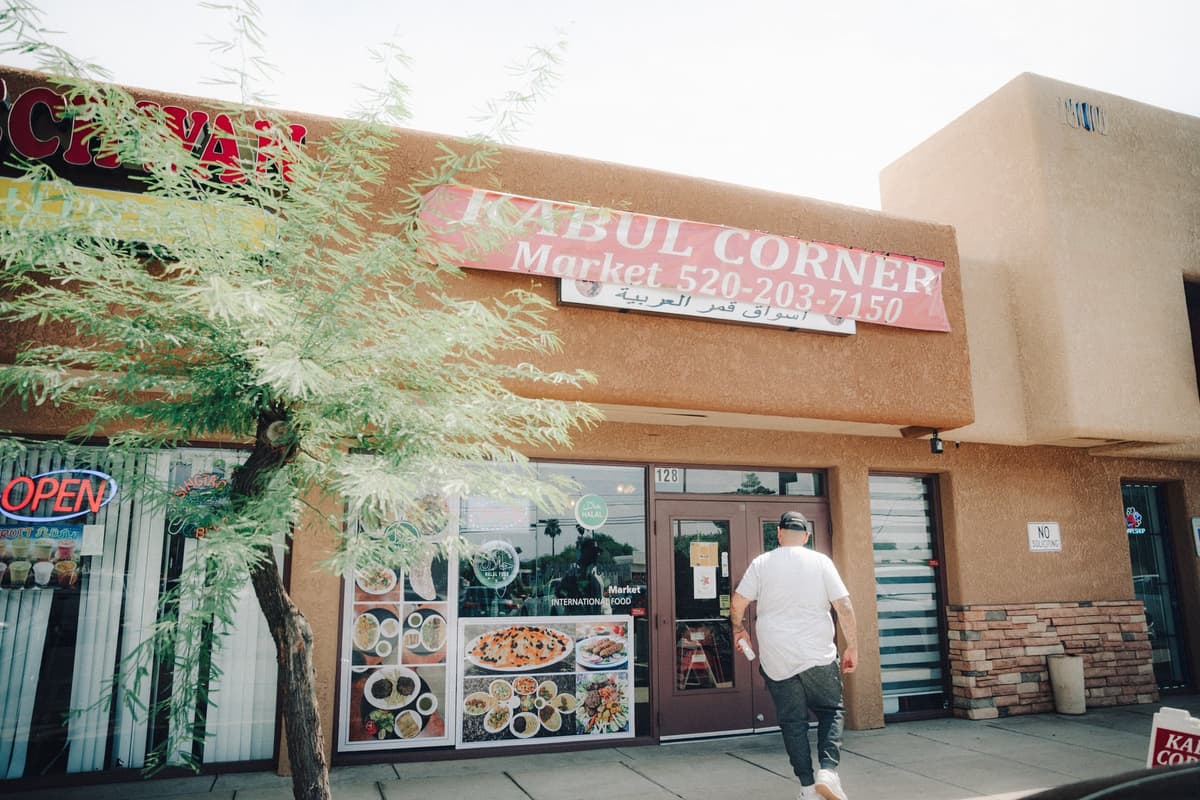
So in 2023 they opened Kabul Corner in the strip mall at Fort Lowell Road and Campbell Avenue and immediately provided employment for many.
"We found a lot of refugees from Afghanistan who were really passionate about cooking," she said. "We wanted to bring a corner of the capital here, so we called it Kabul Corner."
Passing the Torch
Running a busy kitchen alongside full-time careers soon proved difficult for the restaurant’s founders. Wanting the restaurant to have dedicated oversight, Rafi turned over daily operations to her cousin’s husband, Sediq Haidari, and his family, who fled Afghanistan as refugees only just a year ago.
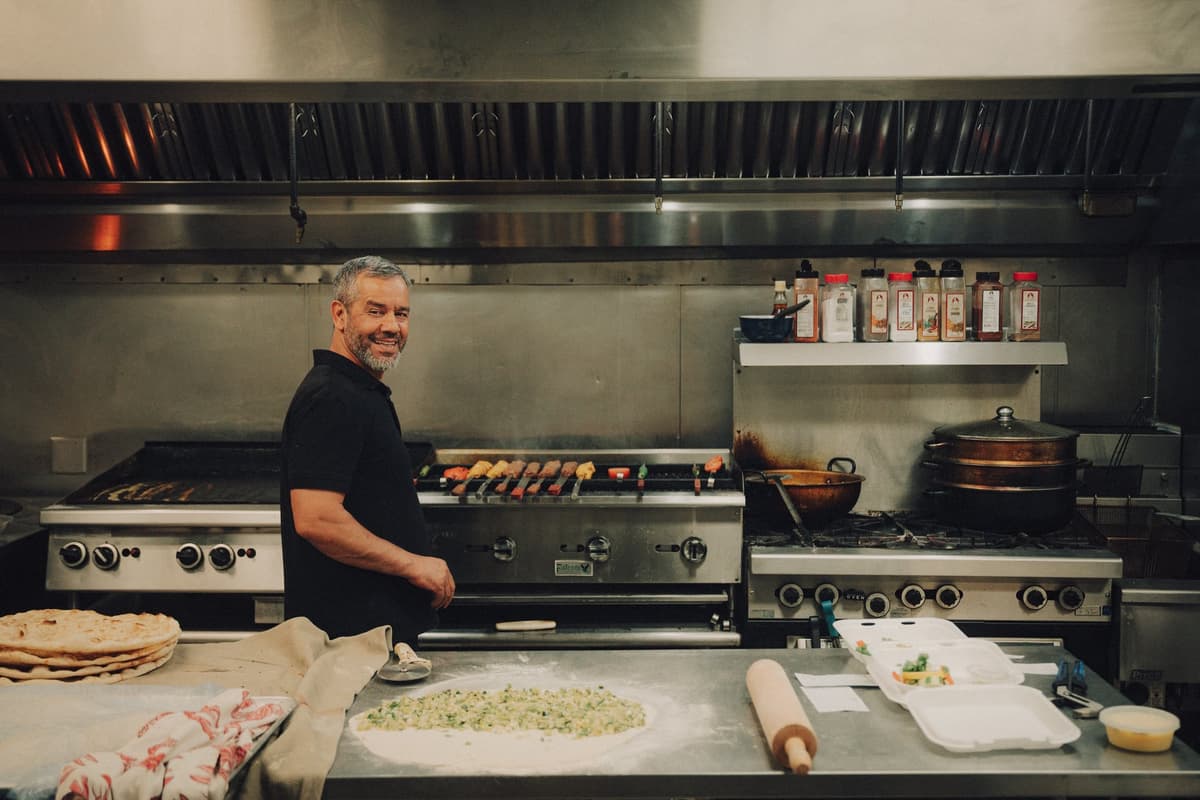
Back in Kabul, Haidari ran a successful plumbing business. However, his contracted work for allied forces at Bagram Airfield meant staying in Afghanistan after the Fall of Kabul in 2021 was no longer safe.
"There was a lot of pressure because he worked with the U.S. Army," Rafi explains, translating Sediq's soft Dari phrasing. "The Taliban were seeking proof to imprison him, so he and his family had to leave."
After resettling in Tucson, taking over Kabul Corner gave Sediq, his wife, and their sons a shared business to run together, anchoring the 30-seat dining room and market with warm, attentive hospitality.
The Silk Road Table
Afghan cuisine is a direct reflection of its geography. Positioned at a historic Silk Road crossroads between Central Asia, the Middle East, and South Asia, the region became a melting pot of culinary traditions over millennia, visible today in everything from Persian-style kebabs and Central Asian mantou dumplings to soft, Indian-influenced naan.
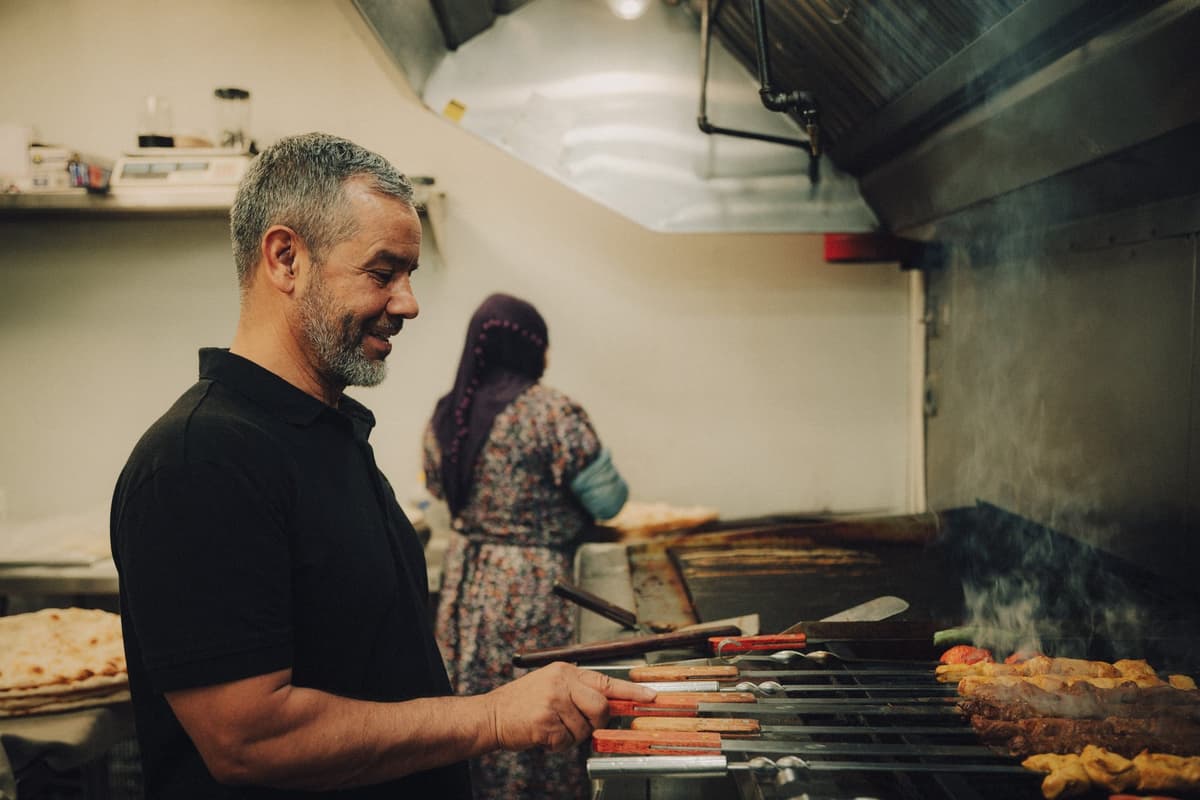
"These dishes are famous not only in Afghanistan, but in neighboring countries like Tajikistan, Uzbekistan, Turkmenistan, Pakistan, Iran, and even parts of China," Sediq explained through Rafi’s translation. "It sits right between Indian and Arabic food."
The menu features dishes that might be unfamiliar to people living in the Sonoran desert.
"In Mexican food, you often see cheese, but we don't use any," Rafi said.
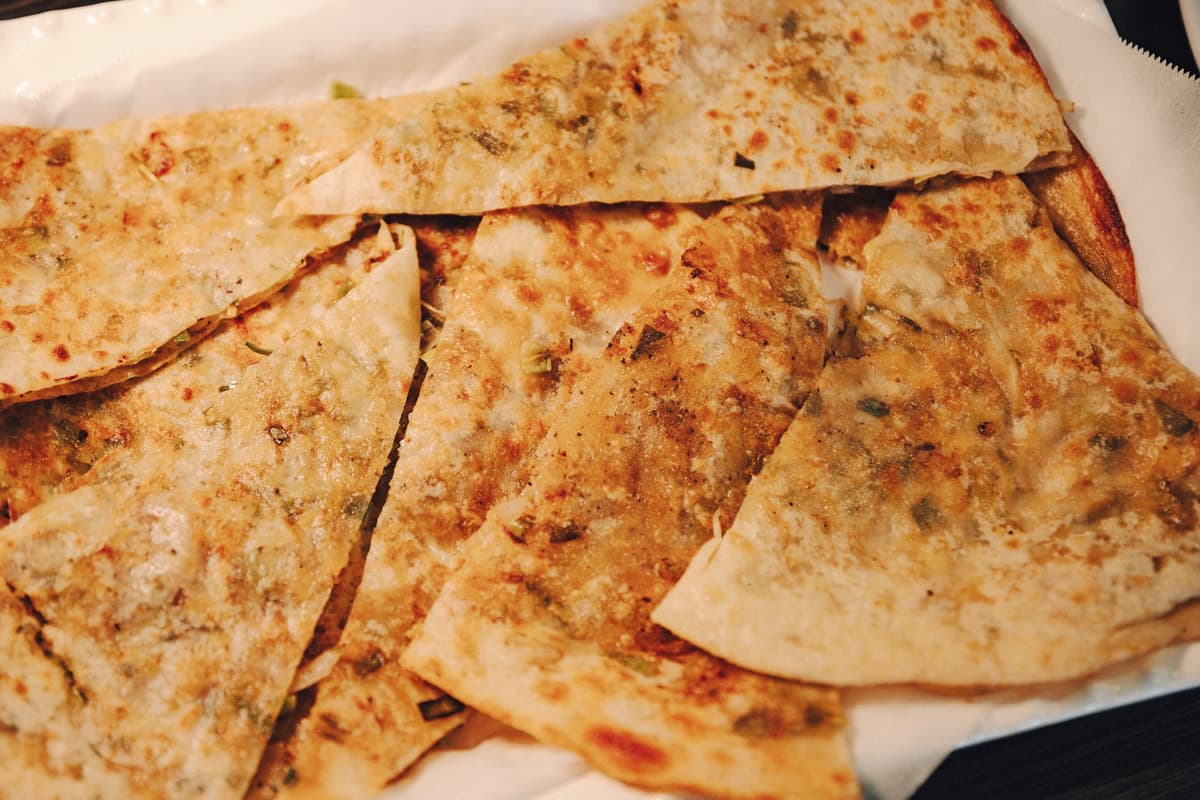
Instead, dishes highlight aromatic spice blends, slow braises, fresh herbs, and house-made chaka (a tangy garlic yogurt). The Bolani Kacholo features thin, pan-fried flatbread packed with seasoned leeks and mashed potatoes, served alongside a sharp mint chutney.
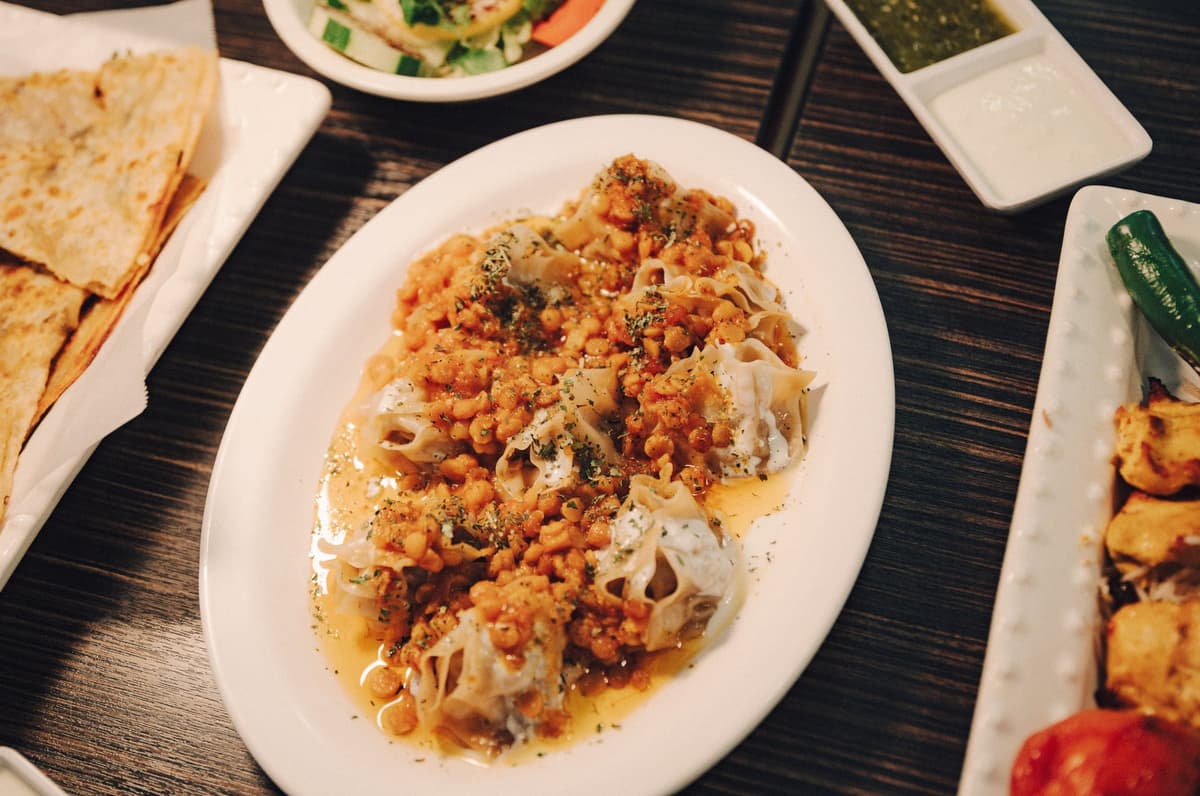
Mantou dumplings are soft and juicy, topped with layers of sour cream, chickpeas and dried herbs, resulting in a complex and hearty bite.
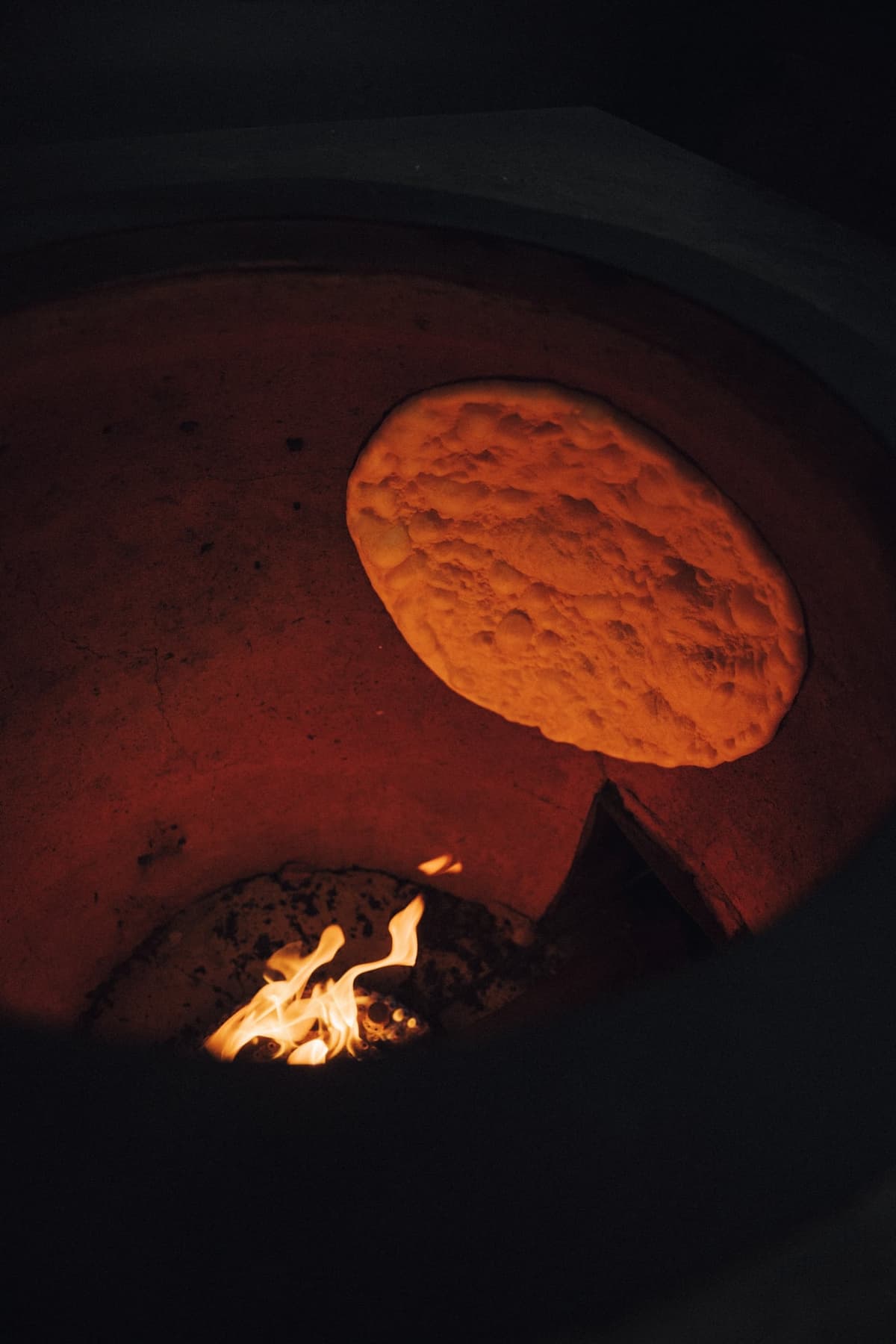
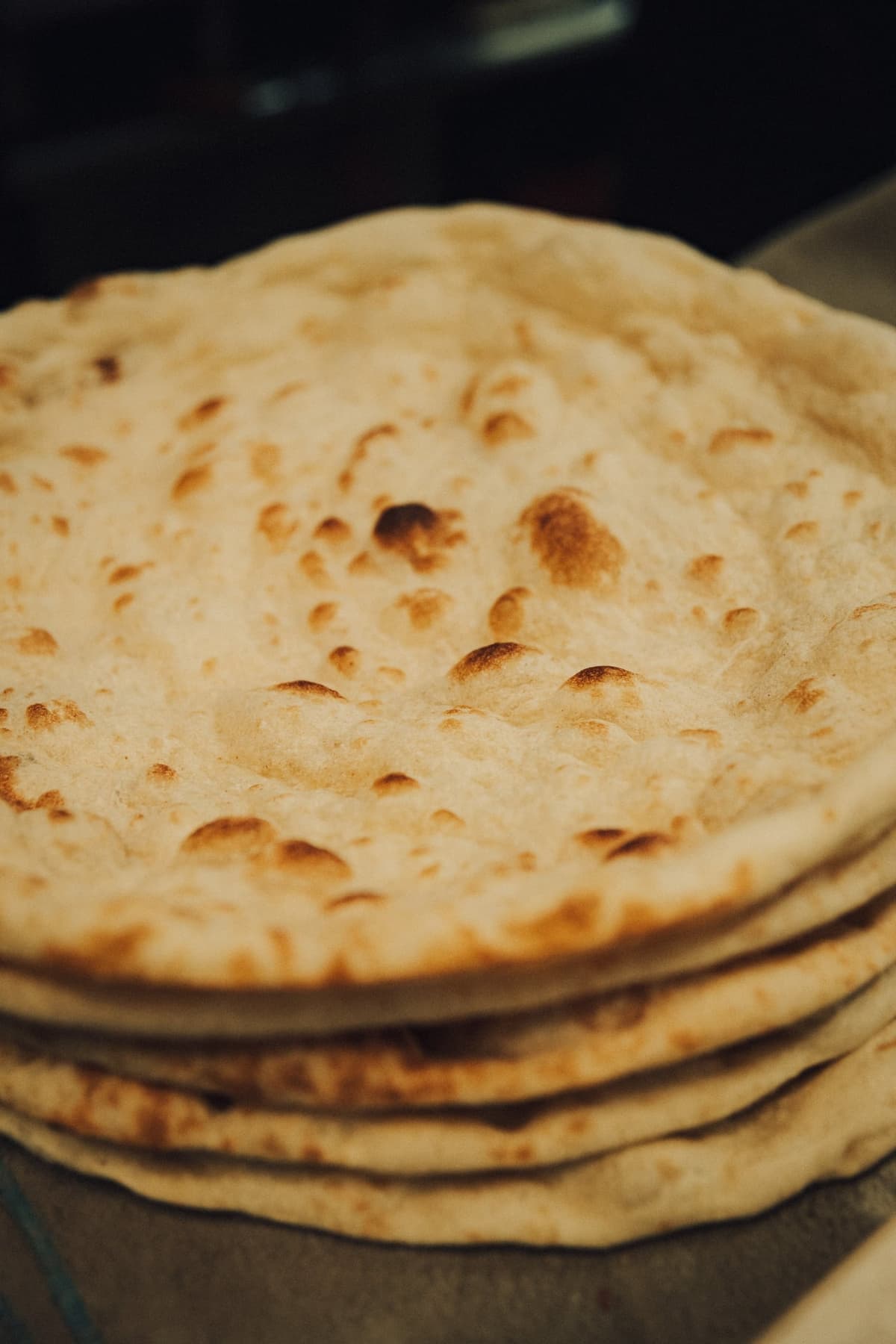
The naan is soft on the inside with a decoration of golden brown bubbles on the outside, perfect for tearing off a piece to mop up the leftovers or dip in the chaka.
Their dedication to being authentically Afghan is a source of pride for them.
“When you come to Kabul Corner, you’re gonna try authentic food,” Rafi said. “The food here is made from scratch. Nothing is packaged. Even the bread is freshly made here.”
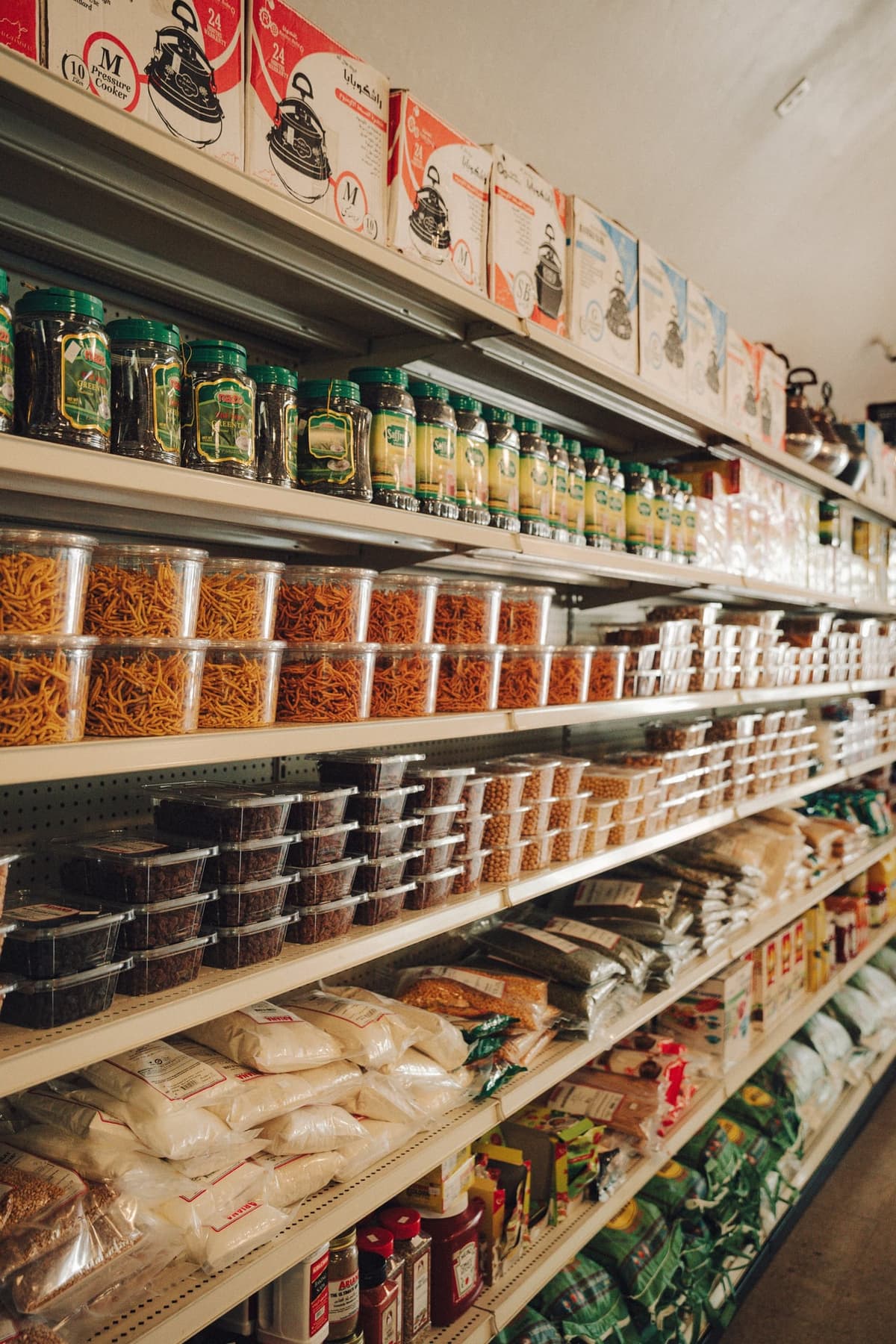
Maintaining these authentic flavors requires dedicated sourcing. For example, the long-grain basmati rice that is essential for Kabuli Palaw originates in Afghanistan, travels to Pakistan for packaging, and moves through a California wholesaler before reaching Tucson.
A Living Haven
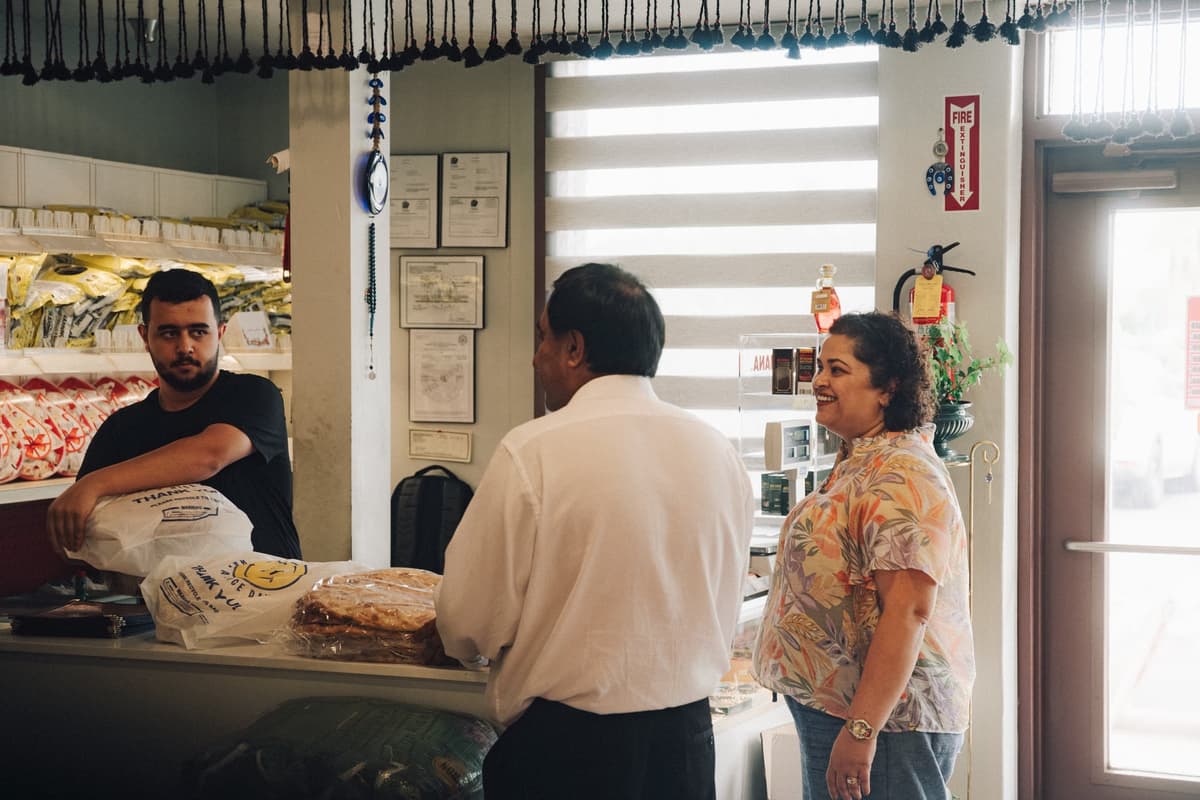
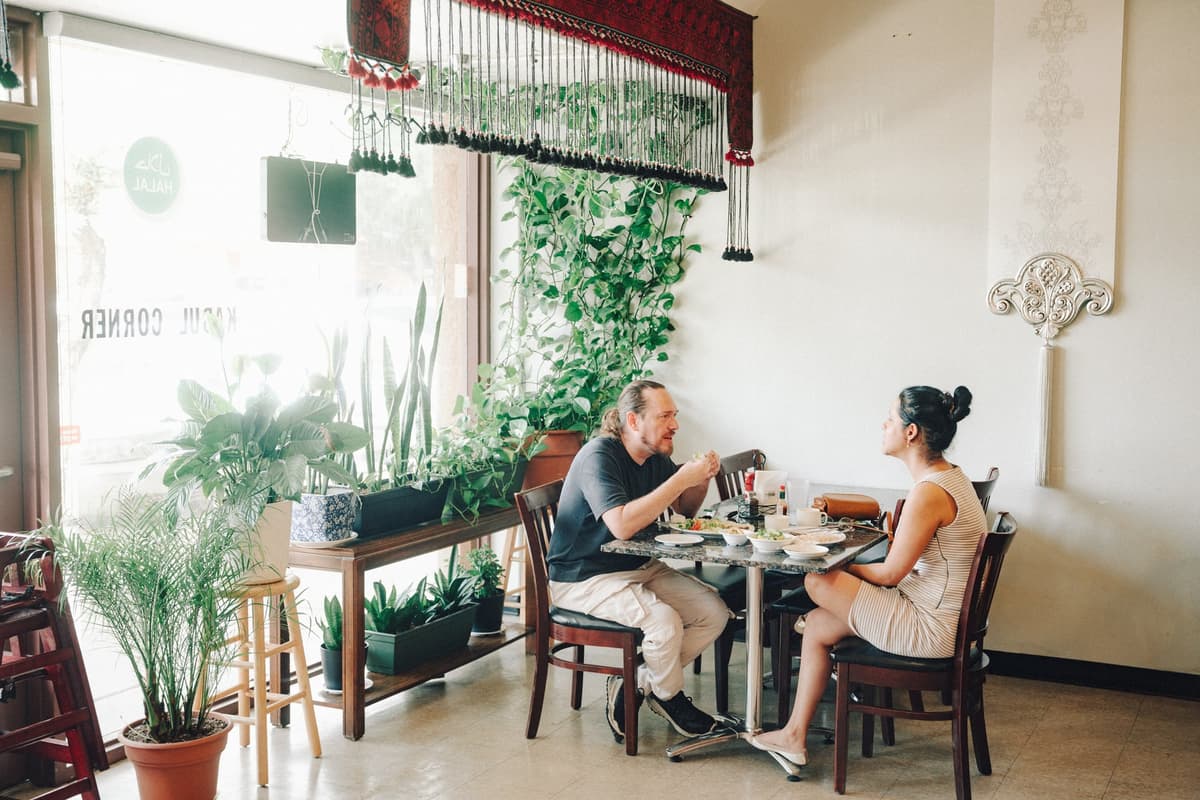
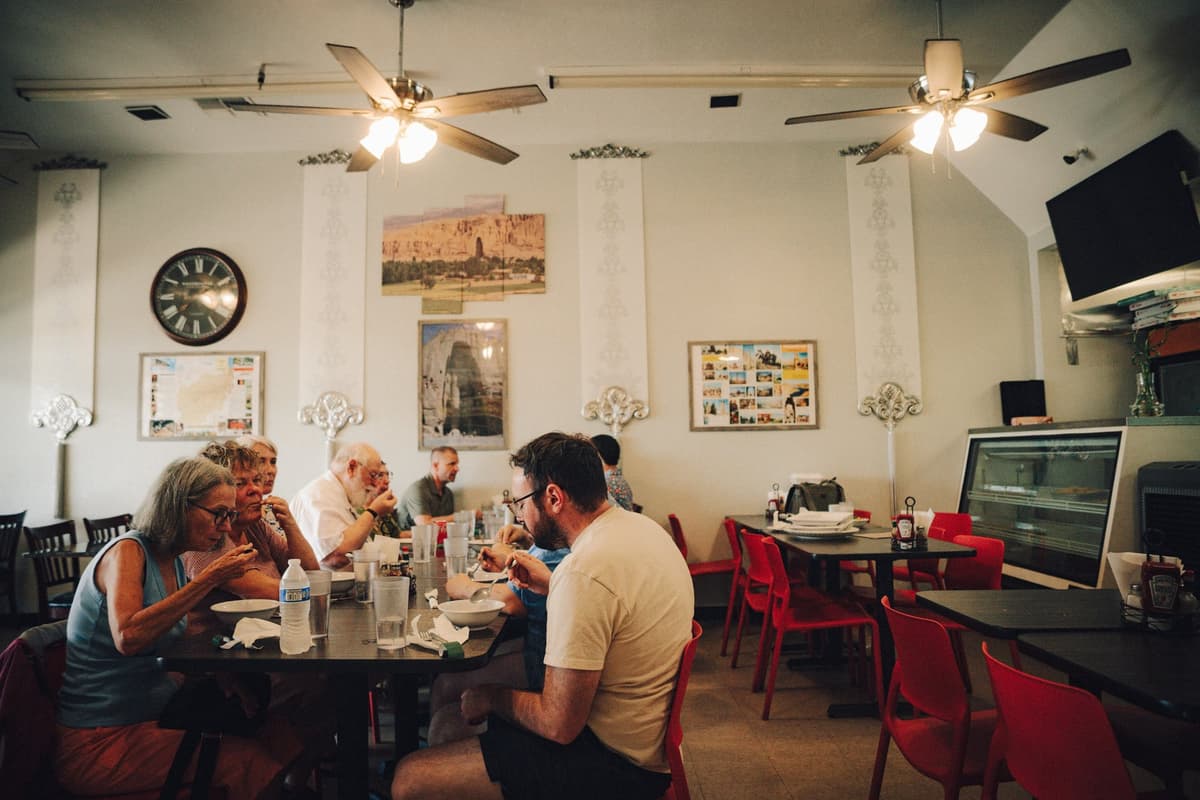
Inside Kabul Corner, a wall of traditional Afghan ingredients and cookware stands tall. A hanging TV shows a slideshow of scenic videos of the diverse landscapes of Afghanistan. Afghan artwork, tassels, and photos decorate the walls, as well as a tourist brochure from the 70s framed near the tables.
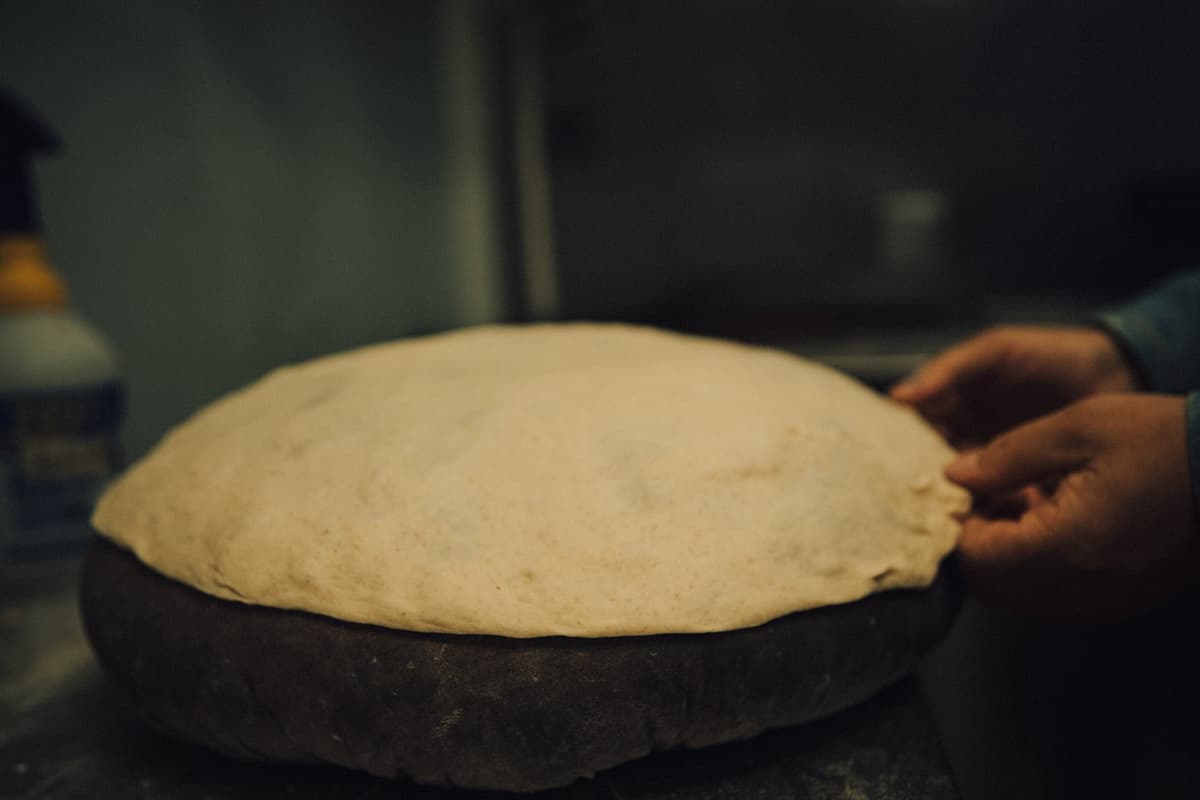
At the back of the kitchen sits a traditional tandoor oven, where Haidari’s family bakes flatbread fresh to order by slapping dough directly against the clay walls, just as bakers have done for generations across Central and South Asia.
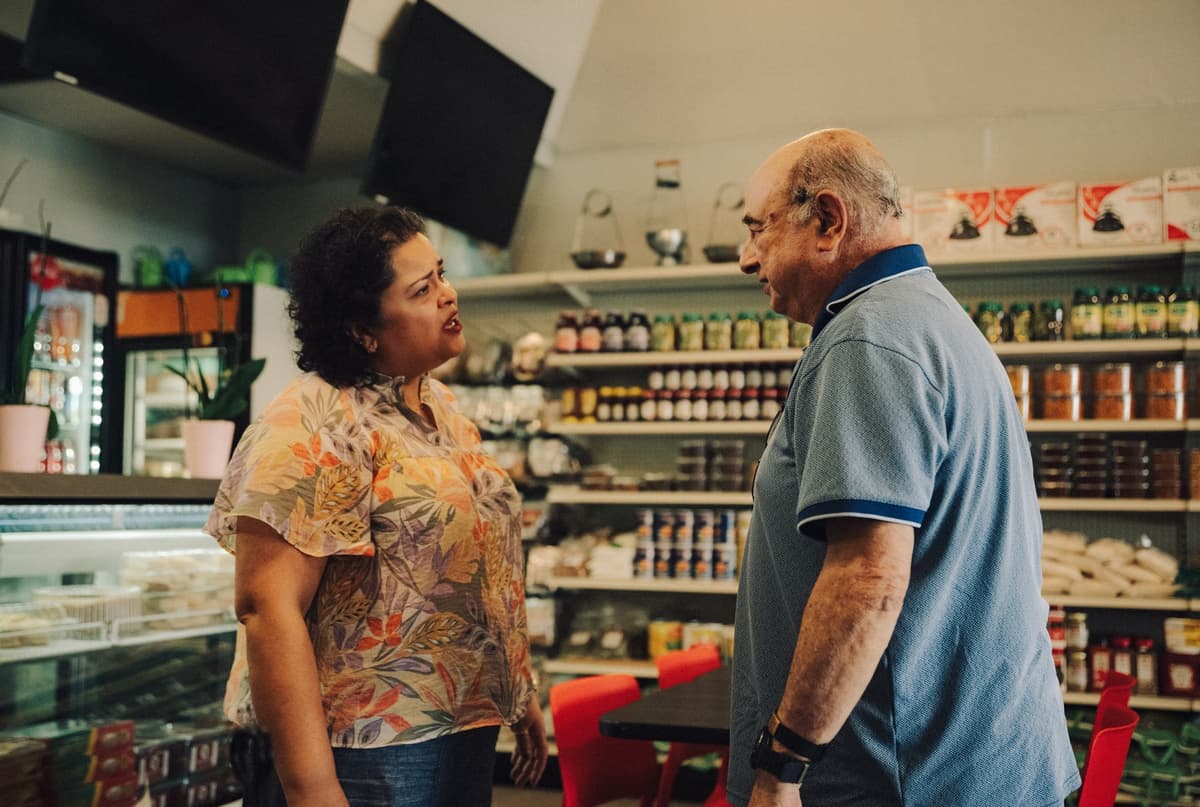
But the family's genuine warmth keeps diners returning. During our interview, Ritiek and Sediq frequently stepped aside to embrace a regular or hand out fresh flatbread to someone waiting at a table.
"You don't see those special attentions all the time, especially with bigger corporations or chains," Rafi said. "It’s a family thing."
The hospitality there frequently spills onto the sidewalk. Sediq often walks warm bolani and tandoori naan down to neighboring store clerks. Kabul Corner also happens to sit next door to a Chinese restaurant named China Szechwan, who they consider friends and neighbors.
"I tell customers we have a border with China in Afghanistan," Rafi smiled, "and we have a border here, too."
Kabul Corner gives the Haidari family a place to cook, host, and share their heritage. And Tucson has stepped up to support them. That community support stretches back to 2021, when locals filled three storage units with supplies for arriving refugees. Today, it lives on in the regulars who fill the dining room, including a 1970s Peace Corps veteran who served in Afghanistan and became one of Kabul Corner’s first customers in 2023.
“And I’ve been coming ever since,” he said. When asked what kept bringing him back to the restaurant, he answered without hesitation: “The food! And the people, of course. They are like family to me.”
Even though Rafi is handing over the reins to Sediq and his family, she says that she will “still be there to help out,” and hopes to see the restaurant thrive.
"Tucson is a welcoming city," Rafi said. "People are very friendly, and you get a lot of support from the community here. We want this sanctuary to keep growing."
While political realities thousands of miles away remain heavy, Kabul Corner stands as a warm, welcoming harbor in southern Arizona. By preserving traditional recipes, employing new arrivals, and sharing fresh flatbread with everyone who walks through the door, they have built more than a restaurant. They have built a home in the Sonoran Desert.
Kabul Corner is located at 1800 E. Fort Lowell Rd. For more information, visit orderkabulcorner.com. Keep up with Kabul Corner on Instagram.
Article written by:





![An overnight escape just 45 minutes from Tucson 🌞
Spend the evening at @tubacgolfresortandspa, enjoy dinner, wake up to breakfast, and be back in Tucson by late morning, or extend your stay and make a weekend of it. The Tucson Foodie team had such a great time during our stay. Dinner and breakfast at Stables Ranch Grille were impressive and vegan-friendly, and the entire staff was incredibly warm, welcoming, and knowledgeable. Thank you for showing us around, @civilwines!
Established as a Spanish presidio in 1752, Tubac was one of the earliest European settlements in what is now Arizona and served as an important military outpost during Spanish colonization. And now, you can experience it for yourself.
GIVEAWAY 🎉
One winner receives a one-night stay at Tubac Golf Resort & Spa plus a $150 dining credit at Stables Ranch Grille.
To enter:
1. Like this post (share to your story and tag us for a bonus entry)
2. Follow @tucsonfoodie and @tubacgolfresortandspa
3. Comment who you would bring
Entries close [Monday, October 6] at 11:59 pm MST. Winner chosen at random and contacted only from this account. We will never ask you for payment or financial information.
Must be 21+ and a U.S. resident. Stay must be booked and completed by December 31, 2026, subject to availability and blackout dates. Not transferable, no cash value, no purchase necessary. This promotion is not sponsored, endorsed, administered by, or associated with Instagram.](https://scontent-iad6-1.cdninstagram.com/v/t51.82787-15/825326370_18629038789014742_190398681308780675_n.jpg?stp=dst-jpg_e35_tt6&_nc_cat=100&ccb=7-5&_nc_sid=18de74&efg=eyJlZmdfdGFnIjoiQ0xJUFMuYmVzdF9pbWFnZV91cmxnZW4uQzMifQ%3D%3D&_nc_ohc=7SgN1IXB5VUQ7kNvwFtSGU0&_nc_oc=Ado5V9_8SAZCqQf1076ZLhJXiUhc5OiyCUWprmzQIOkqIFUA8ThmY3C5QzYMQprE-Wc&_nc_zt=23&_nc_ht=scontent-iad6-1.cdninstagram.com&edm=ANo9K5cEAAAA&_nc_gid=suQS7qoccjkykEAzRdTArw&_nc_tpa=Q5bMBQJVo4vO1Poy2o5eZPQNIlZj4YIRhdcCQxAYKgxOxJxeSCdZDwUeA6F85yZePlnXC_7XMqzQAiRHqw&oh=00_AQMXqGmI4xmVwmg3w-ClOtCmCHOpWypD-ALBu8RuSyOckg&oe=6ABFCCCE)


