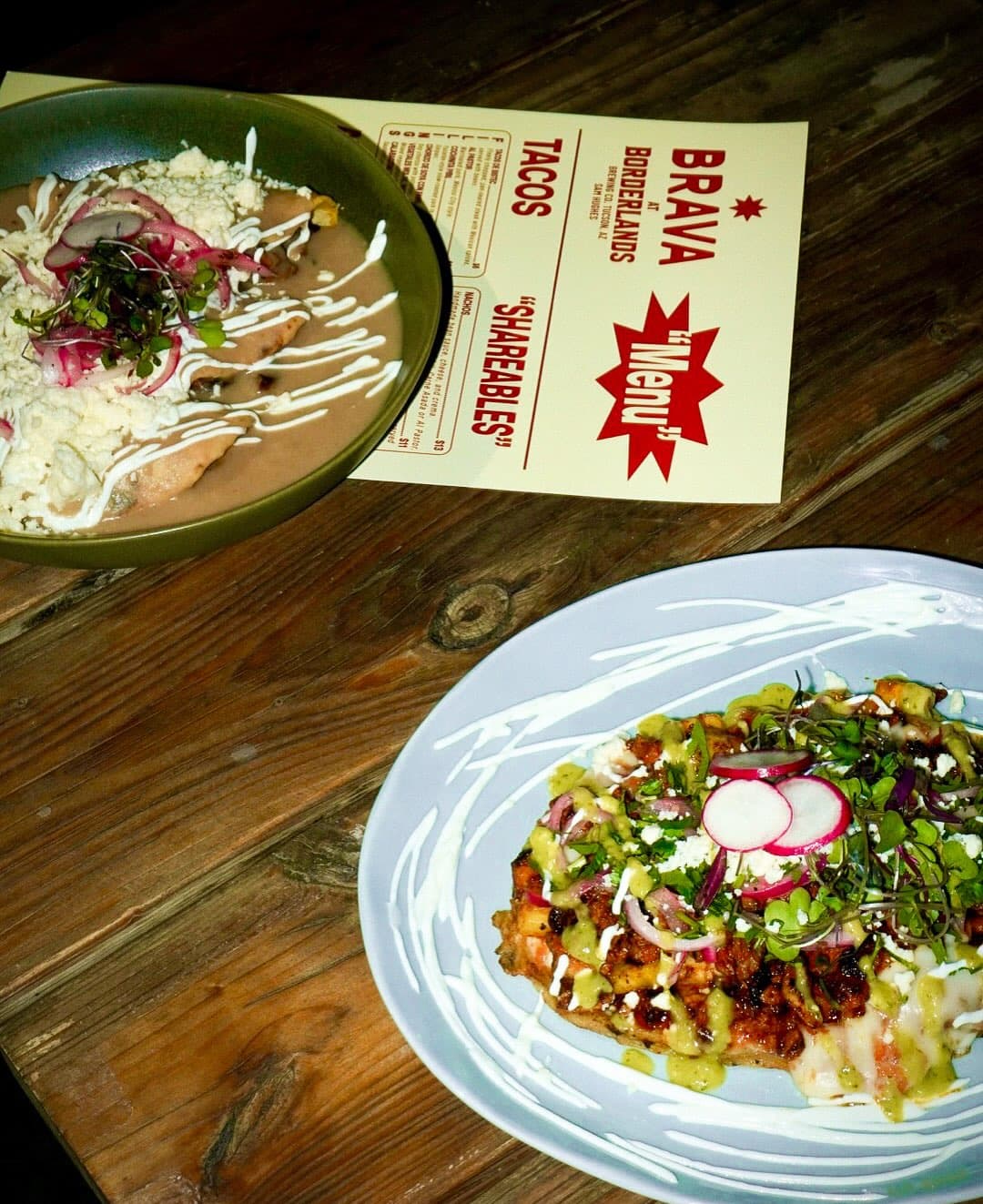

In his 1994 book, “The Geography of Childhood: Why Children Need Wild Places,” Southwest borderlands foods expert and esteemed professor Gary Paul Nabhan wrote:
“We need to return to learning about the land by being on the land, or better, by being in the thick of it. That is the best way we can stay in touch with the fates of its creatures, its indigenous cultures, its earthbound wisdom. That is the best way we can be in touch with ourselves.”
And what better way to be in touch with our landscape, and therefore ourselves, than by consuming foods that derive from our very soil and water?
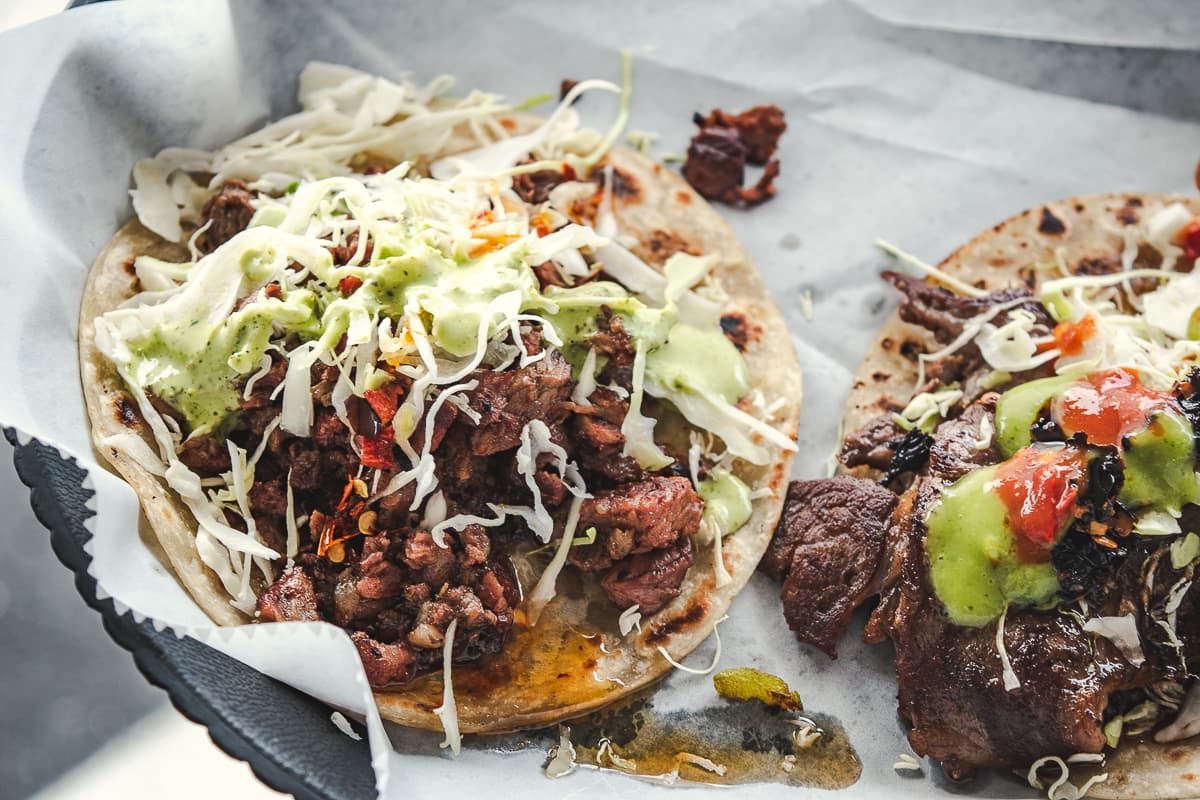
So we bring you this month a spotlight on Sonoran food — that which is unique, in the strictest sense of the word, to our terrain.
What is Sonoran food?
“Sonoran food” refers to dishes and drinks using ingredients originating in the Sonoran Desert where we live. These include harvested wild edibles and introduced cultivars. It doesn’t only refer to those foods we consume today. Our thriving food heritage is multilayered and ever-changing.
Archaeology tells us that regional gastronomy started approximately 4,100 years ago when ancestral indigenous peoples began harvesting crops we still use today. This means ours is the oldest food system in the United States.
After the ancestral peoples came the Hohokam and subsequent tribes, along with Spanish and missionaries from other parts of Europe, then Mexicans and other ranchers, Chinese and African workers, and waves of other diverse migrants. Each brought their food traditions and ingredients that fuse into the contemporary Sonoran food we devour. And all are “authentic.”
According to the Tucson City of Gastronomy website, “Key ingredients of this multicultural cuisine include dozens of native desert plants and animals listed in the Slow Food International Ark of Taste – more than for any other North American landscape, and contributing to a distinctive ‘desert terroir.’”
The Ark of Taste referred to above is a list of culturally significant foods facing extinction due to climate change and other threats. Regional examples on the list (and again, we have more on said list than any other North American terroir) range from white Sonora wheat to masa patties for Sonoran flat enchiladas to O’odham pink bean.
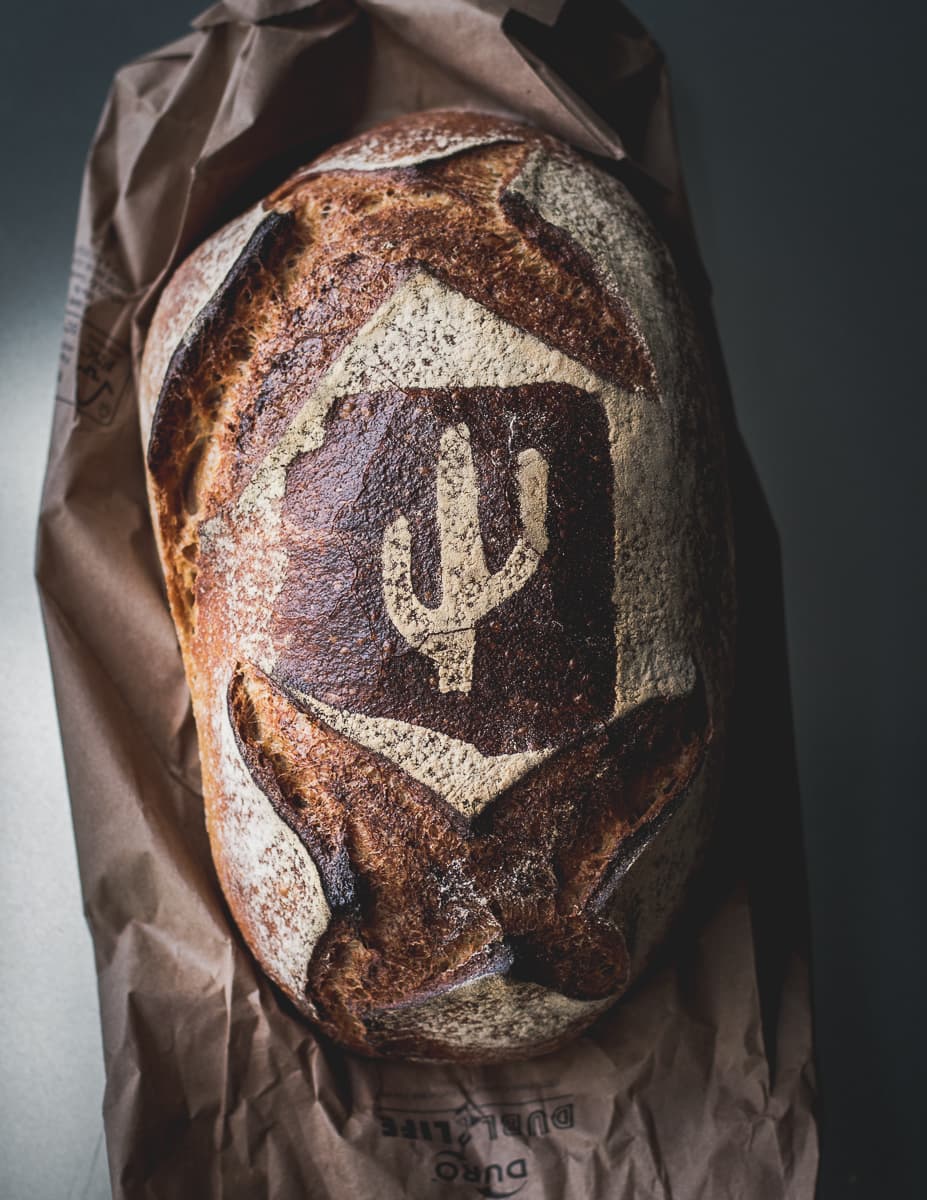
Local chefs, educators, and conservationists work to maintain and reinvigorate our ancestral ingredients and food systems by using those items in restaurants, celebrating the ingredients at festivals, growing them at farms, and preserving them in seed banks, just to name a few examples. Food activists also collaborate with Mexico, working to conserve a shared gastronomic heritage and protect a holistic Sonoran desert versus parsing it into two.
Such community endeavors to maintain Sonoran foodways are a major reason that Tucson became the nation’s first United Nations Education, Science and Culture Organization (UNESCO) Creative City of Gastronomy in 2015. It’s not only that the area has the oldest subsistence techniques in the US, nor the ingredients themselves. It’s the efforts we make to honor them. In addition to granting Tucson’s cuisine international recognition as much more than just tacos, the press resulting from the UNESCO designation has attracted droves of foodie tourists and their revenue, as well as a seat at the table of gastronomic posterity.
This month, Tucson Foodie brings you a celebration of all things Sonoran food, including a guide to where to sample some of what we find to be the most exemplary.
If you’re interested in learning more about Sonoran Food beyond what we’ll share throughout the month, listed below are several places to start.
San Agustín Mission Garden
Located at 946 W Mission Ln
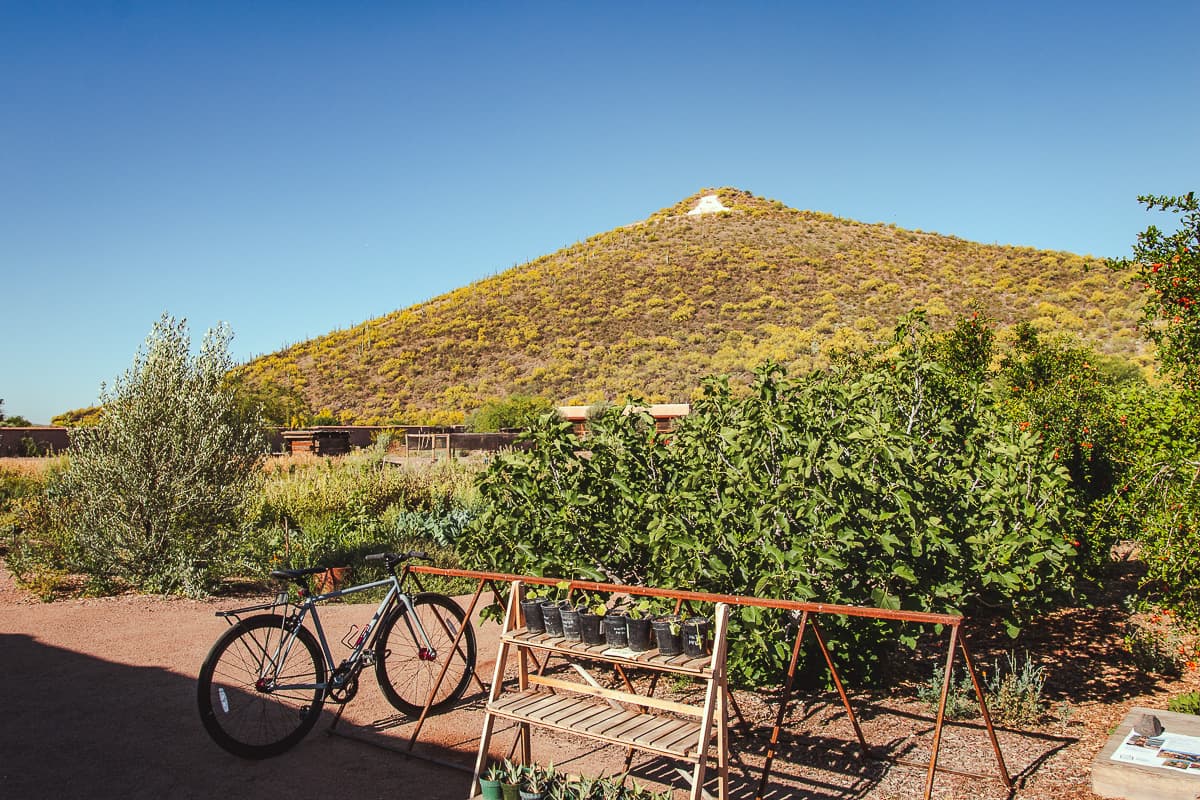
Situated on the oldest continually occupied and cultivated site in the United States, the Mission Garden was rebuilt in 2008 and continues to developing to recreate the area’s food history. Today, the timeline garden traces the history of the region’s cultural crops, from the Native and Early Agricultural era, through Spanish and Mexican residents, the Chinese, the Anglo, and the African American populations. It also features Tomorrow’s Garden, which demonstrates new approaches to food production in the face of ecological and social challenges. Funded by the nonprofit organization Friends of Tucson’s Birthplace, the Garden also hosts school groups, locals, and tourists interested in the history of food in this desert.
San Xavier Cooperative
Located at 8100 Oidak Wog in Tucson
The Co-op aims to grow and preserve indigenous crops in a healthy manner. The Tohono O’odham Nation has approximately 33,000 members on both sides of the international border. T.O. and sister tribes started the farm in 1971 after struggling against the federal government for water rights on their land. Since then, progress has been made, and the farm has grown into a site of cultural education and nourishment. The farm leaders follow the Tohono O’odham Himdag (way of life) so that the cooperative respects the land, sacredness of water, tribal elders, animals, and plants. The group runs educational programs and permits tribal members plots of land upon which they can grow and harvest their own food. They also provide food to families in need.
The co-op employs 28 people, 90 percent of whom are Tohono O’odham. The farm produces alfalfa for animal feed, other grains, beans, honey, and produce. Dried spices and seedlings are available for sale. Seasonal crops include indigenous foods that are more nutritious than introduced cultivars.
Center for Regional Food Studies at the University of Arizona
More info at crfs.arizona.edu
Founded in 2016, the Center compiles and analyzes data regarding food initiatives in the Sonoran Desert, including its Mexican territories. Researchers study and educate university students and the public on topics including farm health, people’s access to nutrition, food justice, the relationships between food and the regional economy, sustainable ecosystems, and community. The Center offers a bachelor’s degree in Food Studies, partners with local food advocacy organizations, and hosts relevant public events.
Food Festivals
Learn more at saaca.org, agaveheritagefestival.com, tucsonmeetyourself.org
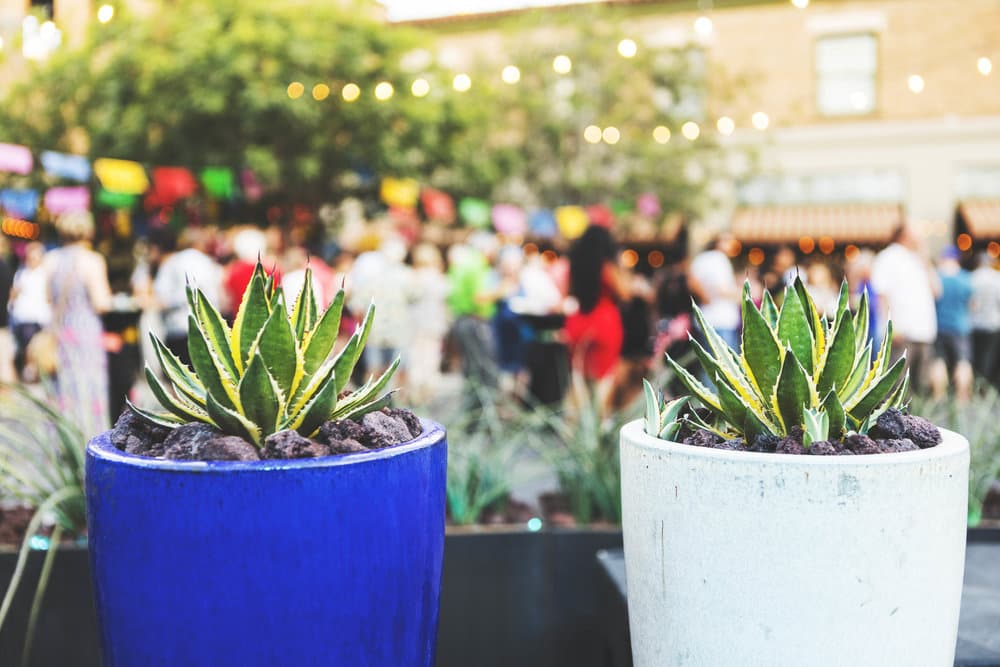
Southern Arizona hosts more than 80 annual food festivals where Sonoran food is featured.
Three favorites are:
- Agave Heritage Festival in late April celebrating all things … agave
- Tucson Meet Yourself (fondly referred to as “Tucson Eat Yourself” due to the plethora of food from the diverse ethnicities of Southern Arizona). It takes place every October
- Savor Food and Wine Festival, featuring locally owned restaurants and culinary endeavors. Sponsored by the Southern Arizona Arts and Cultural Alliance, it takes place every February.
Native Seeds/SEARCH
More info at nativeseeds.org
According to the Native Seeds/SEARCH website, NS/S “is a nonprofit seed conservation organization based in Tucson, Arizona. Our mission is to conserve and promote the arid-adapted crop diversity of the Southwest in support of sustainable farming and food security. Our story began in 1983 when co-founders Barney Burns, Mahina Drees, Gary Nabhan, and Karen Reichhardt worked on a food security Meals for Millions project to support the Tohono O’odham Nation in establishing gardens for their sustainable food needs. Over many generations, the forces of colonization and later globalization had eroded the cultures and economies and that kept these vital foods alive in the landscape. In discussions with tribal elders they were told “What we are really looking for are the seeds for the foods our grandparents used to grow.”
And so Native Seeds/SEARCH provided.
Now, almost 40 years later, the organization has a store at 3061 N. Campbell Ave. where you can buy plants, books, and the like, as well as community gardens throughout the region. Plus, each Pima County library has seeds you can check out and (ideally) grow yourself. The goal is that you cultivate the plants and (eventually) bring the seeds back to the library, just like a book.
Our hope is that you learn a little more about Sonoran food than you may have known previously. And in that knowledge, gain an appreciation for things you might have taken for granted before – or not known about at all – like mesquite pods, Sonoran wheat, and tepary beans.
If you don’t already receive our newsletter, sign up below, and you won’t miss any of this month’s Sonoran food focused features.
Article written by: